
Recognizing and Avoiding Potential Threats before They Escalate
When it comes to mastering self-defense, recognizing potential threats in various situations is essential. Awareness can be the difference between avoiding a confrontation and becoming embroiled in one. Being vigilant allows you to identify early signs of trouble, such as the demeanor of a person approaching you. Look for aggressive body language, like clenched fists or intense staring. Trust your instincts; if something feels off, act accordingly. Situational awareness involves not just your surroundings but also the people in them. Pay attention to individuals loitering or acting suspiciously, especially in low-lit areas. Additionally, observing couples arguing can indicate escalating tension. Immediately assessing these situations helps maintain your safety. Your first line of defense is often avoiding confrontation altogether. If you sense danger, seek safety in numbers or move toward well-lit, populated space. Identifying exit routes can also aid in rapidly leaving a troublesome environment. Develop the habit of scanning areas before entering, creating a mental map that outlines potential threats. Ultimately, preparation and awareness are keys in self-defense. Understanding how to recognize these threats gives you a significant advantage and aids in preventing dangerous situations.
Another vital skill in self-defense is effectively understanding verbal and non-verbal communication. Often, physical altercations can be de-escalated through the proper use of language and body language. Learning to read a person’s facial expressions and posture can provide significant insights into their intentions. For instance, if someone approaches you with an open posture, seeming relaxed, they may have no ill intent. Conversely, if they stand with a tight stance or are overly agitated, it’s wise to remain cautious and prepared. Verbal indicators can often reveal underlying tensions as well. Pay attention to aggressive tones or threats disguised as jokes. Engaging in active listening will enable you to respond appropriately. By keeping your voice calm and measured, you can help diffuse the situation. Additionally, make sure to maintain eye contact while projecting confidence and asserting your boundaries. It’s important to remember that the aim is not to escalate the situation but to deter potential confrontations. Ultimately, being able to communicate effectively allows for navigating difficult scenarios without unnecessary physical confrontation and promotes peaceful resolutions.
Physical Conditioning and Self-Defense
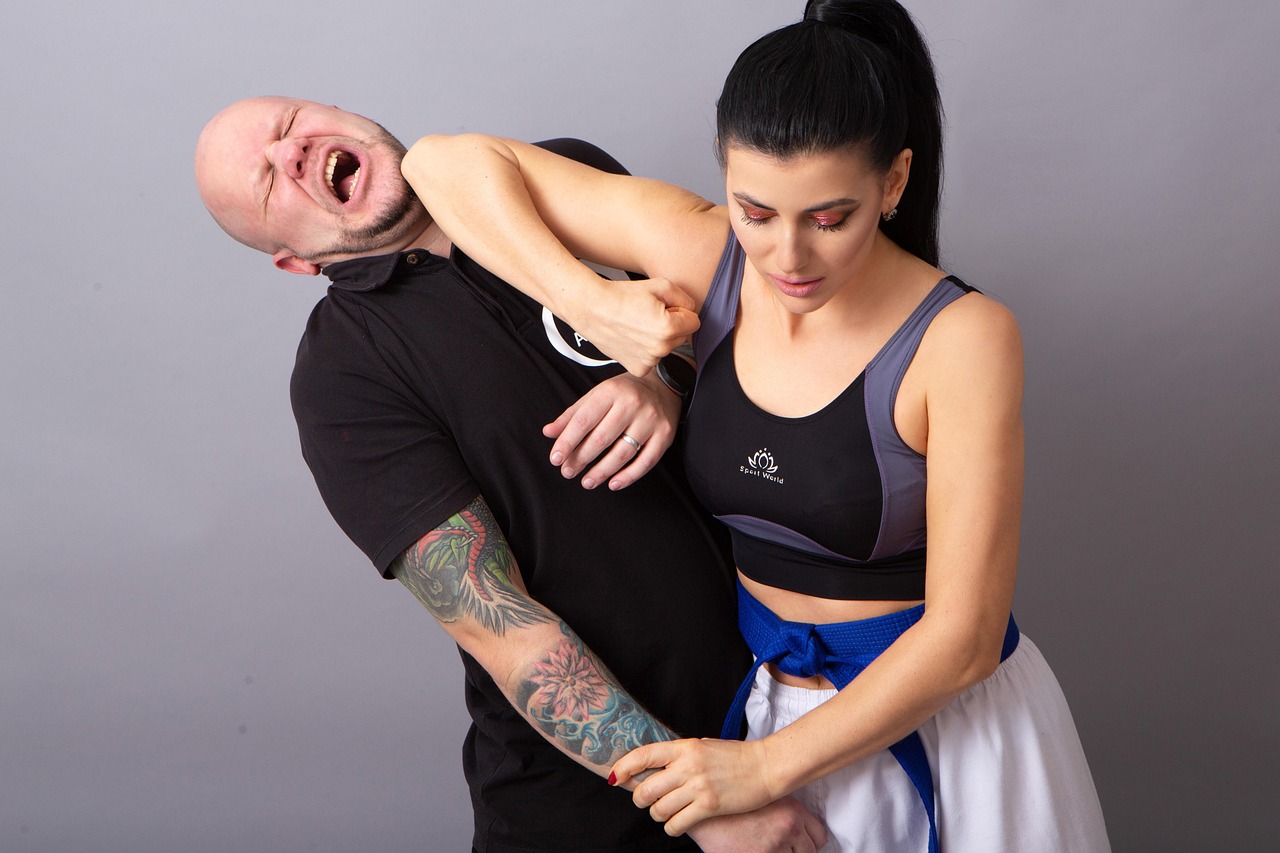
Staying physically fit is a cornerstone of effective self-defense, enhancing both your ability to avoid threats and deal with them if necessary. Regular exercise not only improves your strength and agility but also boosts your confidence. Begin with a balanced routine that incorporates cardiovascular exercises, strength training, and flexibility workouts. Skills acquired in martial arts, such as judo or kickboxing, can provide practical self-defense techniques while enhancing your physical prowess. Understanding the fundamentals of hand-to-hand combat is invaluable, increasing your effectiveness in various scenarios. Additionally, practicing self-defense techniques in a controlled environment can build muscle memory, making your reactions automatic in real situations. Focus on speed and reaction time to ensure you can respond swiftly when faced with a potential threat. Similarly, practice situational drills to effectively navigate differing scenarios. This preparation will not only arm you with confidence but also ensure you are adequately prepared should the need to physically defend yourself ever arise. Remember, self-defense is not just about strength but a combination of awareness, technique, and mental readiness to handle any aggressive encounters.
Understanding the environmental factors where potential threats could arise is essential for self-defense. Your surroundings can either provide safety or amplify danger. Familiarizing yourself with different environments, such as neighborhoods, public transport, or even your workplace, is crucial for mitigating risks. Always choose well-populated routes rather than shortcuts through deserted areas, especially when walking alone. Pay attention to additional safety features like streetlights; well-lit areas provide a psychological deterrent to potential aggressors. Additionally, invest time in studying the layout of your environment. Knowing the locations of exits, security personnel, or emergency contact points can be life-saving. Maintain a keen sense of your surroundings, enabling you to detect unusual activity early on. Psychology plays a significant role in your awareness as well; understanding typical behaviors in different settings empowers you to discern between normal and suspicious activity. Always remain alert when utilizing mobile devices; distractions can make you an easy target, reducing your ability to respond effectively. By cultivating an acute awareness of your surroundings, you significantly increase your chances of avoiding unwanted confrontations.
Trusting Your Gut Feelings
Your instinct plays a pivotal role in self-defense, serving as a built-in alarm system designed to keep you safe. Sometimes, gut feelings can prevent you from heading into potentially dangerous situations. Recognize the significance of these feelings; they often come from unconscious assessments based on previous experiences or cues you might have missed consciously. If you feel uncomfortable about a person or situation, listen to that inner voice. It’s better to err on the side of caution than to deny the feelings and end up in trouble. For example, if someone approaches you and immediately sparks discomfort, it’s wise to excuse yourself immediately. Monitoring your emotional responses will enhance your intuition over time. Engaging in mindfulness practices can help you better connect with these feelings, improving your situational awareness. As you cultivate this inner awareness, develop strategies for responding to those feelings. Creating a plan on how to disengage or seek assistance can empower you when in need. Ultimately, trusting your gut can provide valuable insights into navigating and avoiding dangerous situations discreetly and effectively.
Developing a personal safety plan is crucial for those seeking to improve self-defense skills. Preparation is the backbone of effective self-defense; simply knowing what to do in advance can drastically alter outcomes. Begin by evaluating your lifestyle, identifying vulnerable points that could expose you to potential threats. For instance, if you frequently walk home at night, create a route that incorporates many people and well-lit areas. Also, establish a means of contacting others for help, such as a designated friend you can call in times of trouble. In this era of technology, consider installing safety apps that provide emergency services at the push of a button. Additionally, familiarize friends and family with your safety plan, enabling them to support you better should danger arise. Developing confidence in your ability to respond effectively can significantly reduce the anxiety associated with potential confrontations. Review and rehearse your safety plan regularly, adjusting it whenever necessary. Continuous practice ensures you remain prepared and conscious of your capabilities in any given scenario, empowering you to navigate your surroundings with confidence.
Final Thoughts on Threat Recognition
In summary, recognizing and avoiding potential threats is vital to self-defense that urges individuals to remain vigilant and prepared. Being aware of your environment will allow you to identify warning signs of danger long before they escalate. Establishing a solid understanding of communication skills enables you to de-escalate situations that may arise unexpectedly. Additionally, prioritizing physical fitness enhances not only your self-defense capabilities but also boosts your confidence and resilience. Moreover, trusting your gut feelings is inevitable; these instincts are powerful allies in guiding you toward safety. Establishing a personal safety plan tailored to your lifestyle empowers you to address potential dangers effectively. Regularly reviewing and practicing self-defense skills prepares you mentally and physically to respond should a threat occur. Ultimately, the goal of self-defense is not to engage in violence but to maintain peace and safety. By utilizing these techniques and strategies in everyday life, you cultivate an environment where you can thrive without fear of escalating threats. Remember, maintaining awareness, confidence, and preparedness is the most potent form of self-defense.
This is yet another insightful conclusion to broaden the discussion on self-defense.