
Adapting Your Hiking Routine for Aging Bodies
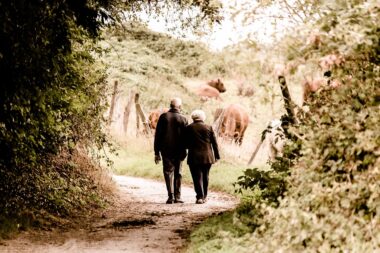
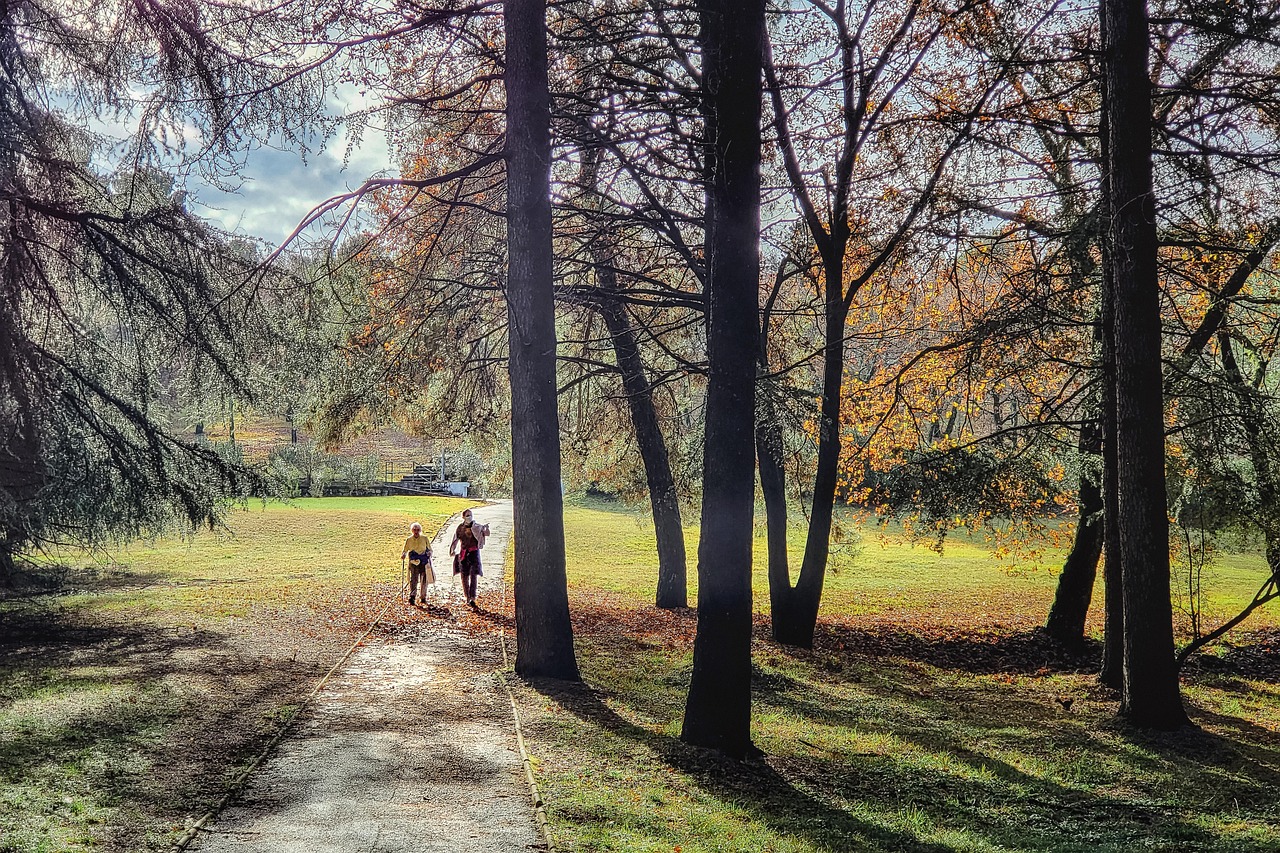
Walking and hiking are excellent activities that promote cardiovascular health and strengthen muscles and bone density, especially beneficial as we age. Not only do these low-impact exercises enhance endurance, they also improve joint mobility and reduce the risk of chronic diseases. By engaging in regular hiking, older adults can experience significant improvements in balance and coordination, leading to a decreased likelihood of falls, which is crucial for maintaining independence. When hiking, it’s essential to select trails that match your fitness level. Start with short, flat paths and, as your stamina improves, gradually progress to more challenging terrain. Make sure to wear appropriate footwear designed for comfort and support. In addition, incorporating walking poles can help distribute weight evenly and provide extra stability. Engaging with nature during hikes offers psychological benefits that can enhance overall well-being. Taking in scenic views and getting fresh air can reduce stress, anxiety, and depression. Remember to stay hydrated, especially in warmer weather, and to listen to your body’s signals, acting accordingly to prevent overexertion. Establishing a routine that integrates both socializing and hiking can make this experience more enjoyable and rewarding.
A crucial aspect of adapting your hiking routine involves recognizing the importance of warm-up and cool-down exercises. Before embarking on your hike, spend around fifteen minutes doing stretches and light movements to prepare your muscles. Include dynamic stretches such as arm circles, leg swings, and walking lunges to enhance flexibility and blood flow. Post-hike, focus on static stretching, holding stretches for each muscle group to promote recovery. This practice helps alleviate soreness and stiffness. Furthermore, listen to your body’s needs and adjust the intensity of your hikes accordingly. Consult a healthcare provider if you have pre-existing conditions, ensuring that your hiking routine aligns with your health goals. Using technology can offer an added layer of motivation during your walks. Fitness trackers can monitor heart rates, distances, and even hiking routes, encouraging you to stay on course and make improvements. As you adapt your routine, consider enhancing the experience by joining hiking groups or clubs, fostering a sense of community among participants. Additionally, sharing your hiking experiences through social media can inspire others to embark on their hiking adventures. Embracing a supportive environment fosters accountability and allows you to celebrate accomplishments.
Incorporating Strength Training
In addition to walking and hiking, it’s essential to incorporate strength training into your routine. Engaging in strength training exercises helps build muscle mass, which naturally decreases as we age. Consider exercises such as squats, lunges, and seated leg raises to target the legs and support hiking activities. Upper body strength also plays a crucial role. Add resistance band exercises, push-ups, and seated rows to maintain upper body strength for stabilizing during hikes. Training two to three times a week achieves the best results without excessive fatigue. Strength training complements your hiking routine, allowing you to navigate varied terrain with confidence. Also, remember the value of core strength as it contributes to overall stability while hiking. Plank variations, abdominal exercises, and balance work enhance core strength, resulting in better control during your walks. Additionally, flexibility routines like yoga can improve mobility and body awareness, boosting overall hiking performance. When combined with your walking and hiking regimen, these elements create a well-rounded fitness approach tailored to healthy aging. It’s crucial to remember that progress is gradual; celebrate small victories and stay patient as you adapt to your evolving fitness needs.
Consider the environmental factors of your hiking routes as they significantly affect your experience. When selecting trails, consider temperature, altitude, and trail conditions. Warmer weather requires ample hydration and adequate sun protection, including sunscreen, hats, and sunglasses to protect against UV rays. Cold weather necessitates dressing in layers, allowing for moisture-wicking base layers and weather-resistant outerwear. Pay attention to your hydration levels; carry enough water to sustain you throughout the hike. Additionally, check trail conditions prior to your hike, especially during rainy seasons, as muddy paths can increase the risk of slipping. Emphasizing safety is paramount; wear well-fitted hiking boots to help prevent injury. In challenging terrains or rocky pathways, ensure to watch your step, using trekking poles when necessary for balance. Hiking in groups or with a partner allows for added safety and motivation. Always inform someone about your hiking plans in case of emergencies. It’s also beneficial to familiarize yourself with your route, including identifying shelter locations if needed. Stay informed about local wildlife you might encounter, respecting their habitats while ensuring your own safety during hikes.
Mindfulness and Hiking
Mindfulness plays a crucial role when hiking, enriching your experience and enhancing mental health. Practicing mindfulness during your hikes allows you to be fully present, allowing you to connect with nature and enjoy every moment. Focus on engaging your senses: listen to the rustle of leaves, observe the colors of wildflowers, and feel the texture of tree bark. These practices can promote relaxation and increase self-awareness. Designate time to meditate in nature, utilizing the tranquility around you to breathe deeply and reflect. Mindfulness cultivates gratitude, reminding us of the beauty surrounding us. Moreover, consider the benefits of hiking alone versus in a group. While hiking with friends fosters social connections, solo hikes encourage introspection and personal growth. It’s crucial to maintain a balance, depending on your mood and needs. Reflecting during your hike can lead to insights and deeper self-understanding. At the same time, engaging with a supportive community boosts motivation and enjoyment. Incorporate mindfulness into your hiking routine, appreciating the simple act of walking. This approach transforms your outings into holistic experiences, integrating physical, mental, and emotional well-being, crucial components of healthy aging.
Finally, keeping track of your progress can be a motivating factor in adapting your hiking routine. Maintaining a journal or using a digital app allows you to log distances, trail conditions, and personal reflections. Documenting emotions connected to specific hikes helps you recognize improvements in mental and physical health over time. Assess your progress weekly or monthly, modifying your goals to remain challenged and engaged. As you adapt your routine, consider exploring new trails or even different environments such as mountain or coastal areas. Expanding your hiking horizons stimulates excitement and reduces monotony. In addition, experimenting with hiking at different times of the day can enhance your experience; early mornings often provide peaceful solitude, while sunsets offer stunning views. It may also encourage you to participate in themed hikes or events, uniting individuals around common interests. Fellow hikers can provide valuable tips and inspiration, empowering you to reach new hiking milestones. Lastly, always remember to celebrate your efforts, no matter how small they may seem. Every step leads to improved health and well-being, creating a lifelong habit of outdoor enjoyment that supports healthy aging.
Conclusion
As we age, adapting our hiking routines become increasingly important for ensuring continuing enjoyment and safety. From incorporating strength training to practicing mindfulness, each step taken enhances our physical and mental well-being. With the right modifications and preparations, walking and hiking remain accessible and rewarding activities throughout the aging process. By fostering a holistic approach that focuses on the body and mind, you can effectively nurture your love for the outdoors while maintaining your fitness routine. Remember, prioritizing safety is key; listen to your body’s signals and adapt your training according to individual needs. Developing a community of fellow hikers can significantly enrich your experience while offering accountability. Strive to enjoy each hike and all the benefits that come with it. With consistency and enthusiasm, anyone can enjoy the trails well into their golden years. As a result, hiking remains a cherished activity that promotes lasting health and happiness. Take a moment to connect with nature today and embrace the incredible journey of adapting your hiking routine for aging bodies. Your body and soul will thank you for every step taken along the trail, creating lifelong memories while fostering wellness.
So, take note of the essential tips and techniques discussed. Implement these strategies into your hiking routine, paying special attention to what works for you. Be open to modifications as your body adapts. Don’t shy away from seeking advice from professionals, especially if you have any concerns about your fitness. Always remember to have fun and enjoy the beauty of the great outdoors. Hiking can be a fulfilling way to stay fit while also nurturing mental wellness, so embrace the entire experience. The journey of hiking enhances every aspect of life and allows you to embrace adventure at any age. Make every effort to find joy on the trails, letting nature envelop you in its wonders. You’ve earned every moment of enjoyment and should make hiking a staple in your life. No matter your age, hiking is a pathway towards healthier living, stronger connections with nature, and personal growth. Start today and let the trails guide you to new horizons. Stay motivated and embrace a lifestyle that celebrates health and happiness while enjoying the great outdoors. Your future self will be grateful for the positive choices made today.