
Understanding Intermittent Fasting and Hypertension
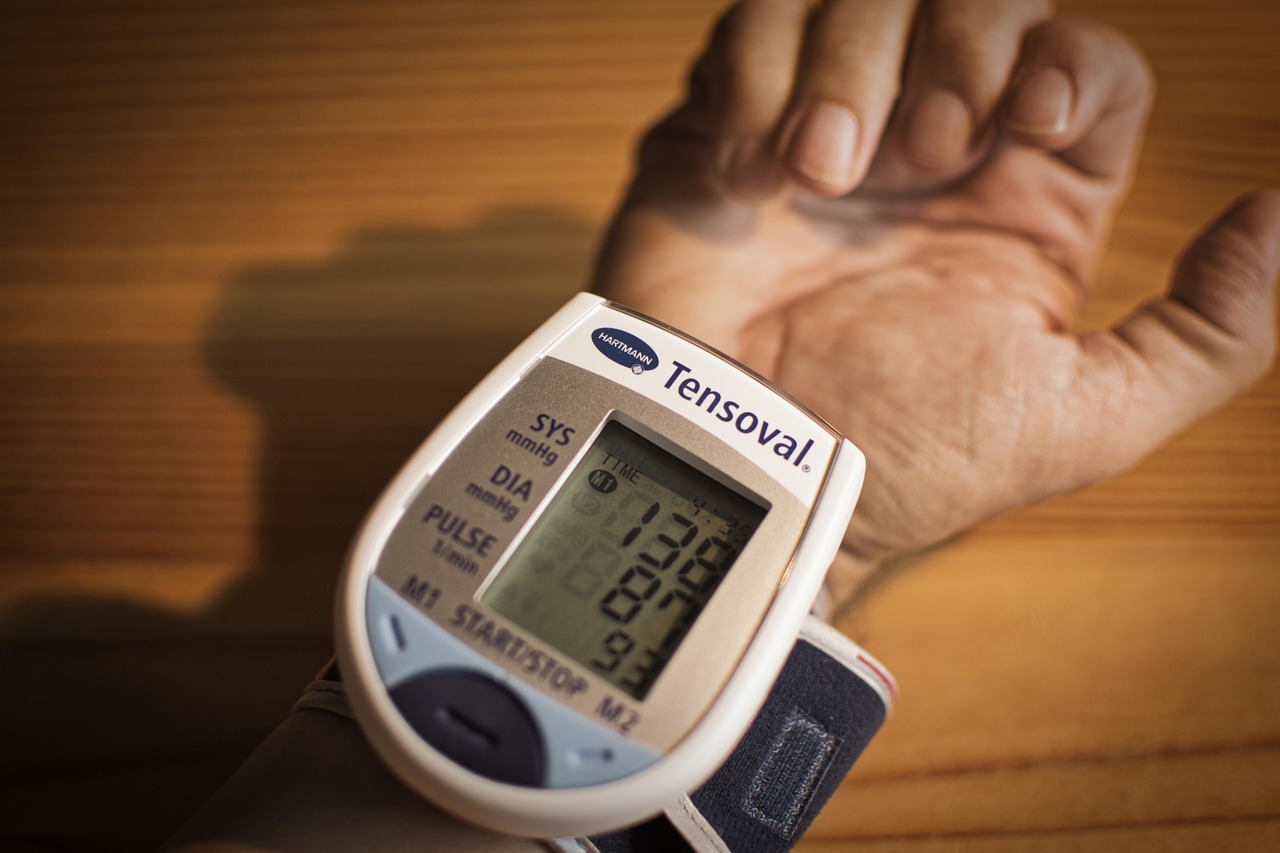
Intermittent fasting (IF) has gained popularity as an effective method for health improvement, particularly regarding weight management and metabolic health. However, for individuals with high blood pressure, it is crucial to approach fasting with caution. Research indicates that intermittent fasting can positively influence hypertension levels by promoting weight loss and improving insulin sensitivity. However, each person’s response to fasting may differ significantly, especially when a pre-existing health condition exists. It’s essential to consult with healthcare providers before starting an intermittent fasting regimen. They can help tailor a fasting schedule that is safe and effective for managing blood pressure. Furthermore, those on medication may need adjustments to their dosages during fasting periods. Monitoring blood pressure regularly throughout the fasting process is also recommended to ensure safety. If any adverse symptoms occur, such as dizziness or fainting, one should reconsider their fasting method or duration. Overall, understanding how intermittent fasting affects hypertension is vital for those looking to adopt this pattern safely without jeopardizing their health.
Choosing the Right Fasting Schedule
When considering intermittent fasting with high blood pressure, selecting the appropriate fasting schedule is paramount. Common approaches include the 16/8 method, where food intake is restricted to eight hours a day, and alternate-day fasting, which can take a different shape based on personal preference. It’s advisable to start with a less strict fasting plan, such as 12/12, where fasting and eating periods are equal. Gradually increasing fasting duration may allow your body to adjust better without inducing stress. During fasting windows, it is essential to stay hydrated; consuming water, herbal teas, or other non-caloric beverages can help manage hunger and maintain hydration. High blood pressure individuals must also consider their specific dietary needs during eating periods. Ensuring a balanced intake of nutrients—especially potassium, magnesium, and fiber—is crucial for blood pressure management. Consulting with a registered dietitian can provide personalized guidance, ensuring the fasting schedule adopted aligns well with nutritional requirements. Overall, a sustainable fasting approach can promote wellbeing while also helping to regulate blood pressure effectively.
Monitoring your body’s response during intermittent fasting is crucial, especially for those with high blood pressure. It is vital to maintain awareness of how your body reacts to both the fasting periods and the refeeding phases. Individuals may experience varying levels of energy, mood, or even fluctuations in blood pressure. Keeping a health journal could be beneficial in recording blood pressure readings, energy levels, and other relevant observations. This practice will support better communication with healthcare providers regarding your fasting experience. Regular check-ins can help in making necessary adjustments, whether it’s modifying fasting duration, tweaking food choices during eating windows, or addressing any concerning symptoms. Listen to your body’s signals; if unusual discomfort arises, it may be a good idea to pause fasting. Incorporate a balanced approach that includes plenty of vegetables, lean proteins, and whole grains in meals to stabilize blood pressure. Efforts to manage stress through meditation or light exercise during fasting days can also support better blood pressure control. Thus, staying aware and proactive about one’s health during the fasting process is essential for successful outcomes.
Incorporating exercise into your routine while practicing intermittent fasting and managing hypertension can offer significant benefits. However, type and timing of exercise matter critically. Engaging in low-intensity workouts, such as walking, yoga, or stretching, can be particularly beneficial during fasting periods. These forms of physical activity are less likely to induce stress on the body and can enhance overall mood and sense of well-being. As energy levels may fluctuate during fasting, it’s wiser to schedule more intense workouts when followers have recently eaten, providing energy and allowing better performance. It’s important to stay hydrated, especially if workouts are scheduled during fasting hours. Staying hydrated not only aids performance but also helps maintain healthy blood pressure levels. Pay attention to your body; if high-intensity workouts lead to fatigue or dizziness, reassess your routine. Consulting a fitness professional can help ensure an appropriate exercise plan that is compatible with your fasting and blood pressure management goals. Overall, integrating exercise mindfully while intermittent fasting can enhance your health journey without compromising well-being.
Nutrition plays a vital role in pairing with intermittent fasting while managing hypertension effectively. During eating windows, focusing on nutrient-rich foods is essential. Opt for potassium and magnesium-rich foods, such as bananas, spinach, and avocados, to help balance sodium levels and support blood pressure regulation. It’s advisable to limit salt intake as much as possible, especially when breaking fast. Processed foods rich in sodium should be avoided, focusing instead on whole foods that nourish the body. Including healthy fats, such as avocados, nuts, and olive oil, can also promote heart health and manage blood pressure levels. It might be beneficial to adopt the DASH (Dietary Approaches to Stop Hypertension) diet principles, which emphasize whole grains, fruits, vegetables, and low-fat dairy. Collaborating with a healthcare provider or nutritionist can offer personalized food choices that align well with intermittent fasting and hypertension management. Enhancing one’s meal preparation skills can further assist in making healthier choices, ultimately leading to better health outcomes. Therefore, paying attention to nutrition during intermittent fasting can enhance its benefits for hypertension.
Recognizing the importance of mental health during the intermittent fasting process is crucial for those managing blood pressure. Stress and anxiety can contribute to elevated blood pressure readings; therefore, cultivating mindfulness practices can complement dietary changes wonderfully. Techniques such as deep breathing, meditation, or gentle yoga can provide mental clarity and emotional calm during fasting periods. They also facilitate a healthier relationship with food, reducing cravings and binge urges. Building a support network—whether through friends, family, or online communities—can offer motivational support, making the fasting journey more manageable. Sharing experiences with others who face similar challenges fosters a sense of belonging and encourages accountability. Keeping meals enjoyable by exploring new recipes aligned with fasting goals can also keep spirits high. If fasting feels overwhelming, consider modifying the approach or length, focusing on creating a sustainable and consistent routine that meshes well with personal preferences. Prioritize mental well-being; after all, managing hypertension through intermittent fasting is not solely about dietary restriction but encompasses holistic health, making it imperative to nurture emotional health, too.
In conclusion, safely practicing intermittent fasting while managing high blood pressure involves a comprehensive approach. From selecting the right fasting schedule to monitoring one’s health, understanding dietary needs, and incorporating appropriate physical activity, each step plays a role in achieving health goals. It is essential to engage with healthcare providers throughout the journey, ensuring that individual health conditions are diligently considered. Including practices that promote mental well-being further enhances the positive outcomes of intermittent fasting, reinforcing its benefits on blood pressure levels. Exploring healthy, tasty recipes and enjoying food can make the fasting experience rewarding and sustainable. With careful planning, individuals with high blood pressure can harness the benefits of intermittent fasting while still prioritizing their health and safety. Everyone’s journey will look different, and acknowledging that variety can be beneficial is critical. Ultimately, the objective is to create a balanced, healthier lifestyle supported by informed choices, mindful eating, and well-rounded self-care. By following these guidelines, individuals can navigate the fasting landscape confidently, promoting better health and overall quality of life.