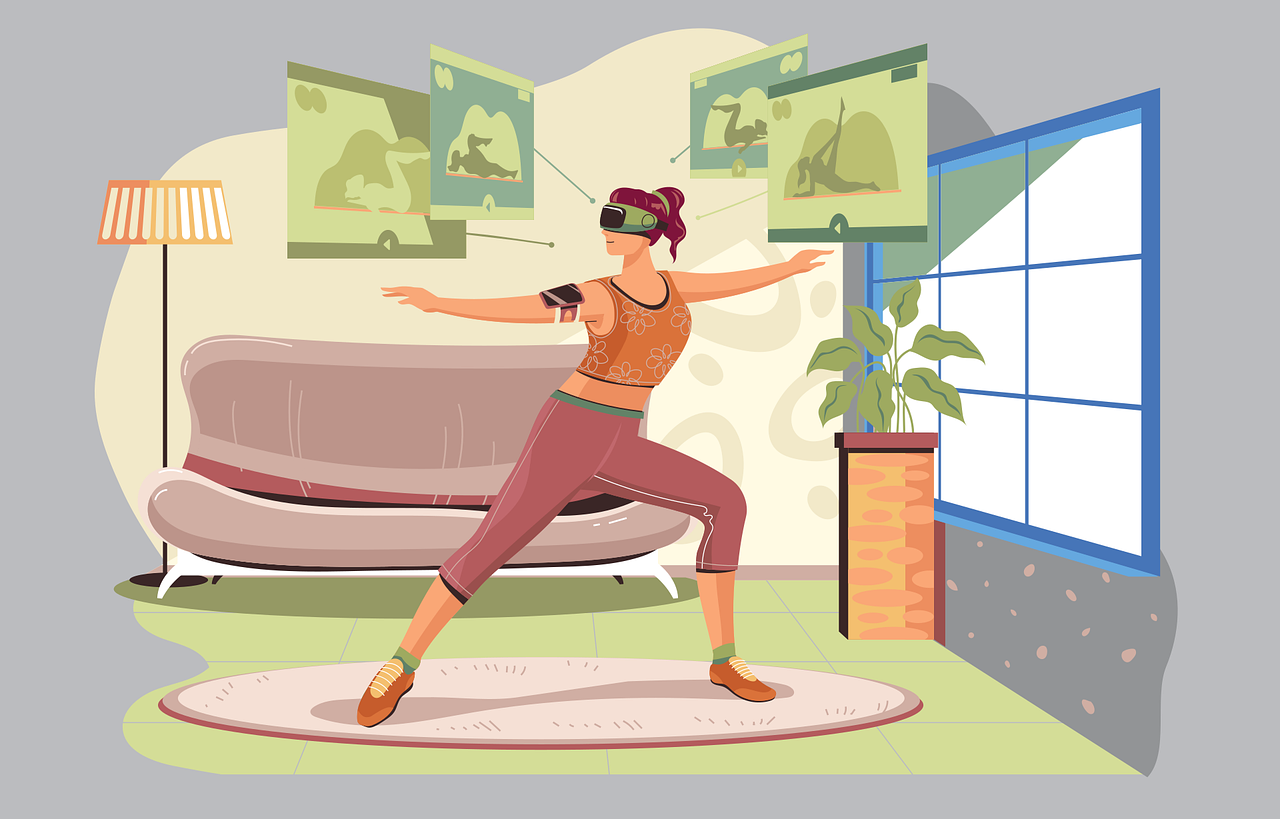

Using Virtual Reality to Create Inclusive Fitness Environments
Adapting fitness environments to meet the needs of individuals with disabilities is crucial in promoting inclusivity. Virtual reality (VR) has emerged as a powerful tool in this area. With immersive experiences, VR allows users to engage in fitness routines that are tailored to their capabilities. One significant advantage of VR is its capacity to simulate various fitness environments. This adaptability enables users to select virtual settings that best suit their preferences and needs. Furthermore, VR can provide feedback on performance, guiding users to enhance their workout routines effectively. Traditional gyms often present barriers that may intimidate or discourage individuals with disabilities. Virtual environments eliminate these challenges by providing a private and personalized space for exercise. By incorporating adaptive fitness applications in VR, individuals can participate in activities that promote physical health without facing stigma or discomfort. The growing accessibility of technology ensures that VR can reach broader audiences, fostering a community centered around inclusivity and health. As such, the partnership of VR and adaptive fitness is a forward-thinking approach to transform how we view exercise for individuals living with disabilities.
The Role of Technology in Adaptive Fitness
Technology plays an essential role in designing inclusive fitness experiences for all individuals, especially those with disabilities. Emerging innovations like wearable devices and mobile apps complement the VR experience, allowing users to track their progress and stay motivated. Wearable technology, such as fitness trackers, can monitor heart rates, calorie burn, and overall activity levels. This feedback proves invaluable for individuals working towards unique fitness goals. Furthermore, combining VR with apps can provide guided workouts tailored specifically for individual needs. Through these tools, adaptive fitness training becomes more engaging and achievable. Another notable benefit of technology is the ability to connect people with similar abilities and challenges. Online communities foster camaraderie, enabling individuals to share experiences and tips for overcoming obstacles. Moreover, fitness professionals can access advanced tools to customize training programs based on users’ preferences and abilities remotely. These advancements ensure that it doesn’t matter where individuals are in their fitness journey. With technology continuing to grow, inclusive fitness environments can evolve, ultimately breaking down physical and social barriers that have long existed in the fitness realm.
The psychological benefits of inclusive fitness environments extend well beyond physical health. Engaging in adaptive fitness through VR provides users with a sense of agency and accomplishment. Striving toward personal fitness goals enhances self-esteem, which is particularly vital for individuals living with disabilities. Overcoming challenges in virtual settings contributes to increased confidence. Moreover, individuals can experiment with activities without fear of judgment, promoting a positive experience. Inclusivity in fitness fosters community, allowing users to connect with others who share similar experiences. Many find comfort in knowing they’re not alone in their struggles, providing emotional support that enhances mental well-being. Additionally, participating in adaptive activities can help diminish societal stigma, as visibility increases acceptance and understanding of disabilities. VR environments thrive on the principle of customization, ensuring that each experience aligns with individual comfort and capability levels. By creating a supportive space for all users, VR promotes resilience and mental fortitude. Ultimately, the intersection of fitness and psychological health is substantial. Individuals who feel empowered through adaptive fitness can channel their strengths into broader aspects of life, leading to a fulfilling and engaged lifestyle.
Challenges in Implementing Virtual Reality in Fitness
Despite the numerous benefits of adopting virtual reality in adaptive fitness, certain challenges persist. One significant barrier lies in accessibility, as not everyone has easy access to sophisticated technology, limiting participants from engaging in VR experiences. While costs are decreasing, many individuals may still find it prohibitively expensive. Furthermore, technical skills required to operate VR systems can be daunting for some. Users with varying levels of proficiency may struggle to engage with the technology, potentially deterring their participation. Additionally, safety concerns arise when navigating within virtual environments. Individuals with certain disabilities may be at risk of accidents when attempting physical activities through VR without proper guidance. Developers must focus on creating safe, intuitive experiences that accommodate different abilities and weaknesses. Moreover, creating appropriate content that resonates with diverse disabilities remains an ongoing challenge within the industry. Solutions need to hit the mark to ensure inclusivity while not compromising on the fitness benefits. Collaborative efforts among developers, fitness professionals, and individuals with disabilities can pave the way for more compelling and effective VR adaptations to help everyone achieve their fitness goals.
Environmental factors also play a critical role in the effectiveness of adaptive fitness initiatives. Traditional fitness spaces often lack the necessary modifications to accommodate individuals with disabilities, leading to feelings of exclusion. Integrating virtual reality into fitness removes these environmental obstacles entirely, allowing users to engage in activities tailored to their unique preferences. This flexibility in choosing settings provides physical comfort that traditional gyms cannot. Additionally, VR allows users to interact in environments that would otherwise be inaccessible. This opens doors previously closed to rehabilitative activities, allowing broader participation in sports or exercises. The use of enriching landscapes and diverse workout scenarios can make fitness engaging and enjoyable. Virtual environments can encourage exploration, where users find inspiration and motivation. Moreover, the adaptability of VR solutions makes it easier for fitness providers to modify environments based on mixed ability classes. By creating inclusive settings, the discussion shifts from deficiency to empowerment. This emphasis can drive a new perspective on fitness that encourages everyone to explore their capabilities. As these technologies evolve, the importance of adaptability will remain paramount for the creation of effective fitness experiences.
The Future of Inclusive Fitness with VR
As we look to the future, the potential for using virtual reality in adaptive fitness environments appears promising. Innovations are paving the way for further integration of technology with therapeutic activities that benefit individuals with disabilities. Continuous advancements in VR technologies could lead to heightened realism, enhancing both engagement and usability. Improved graphics and user interfaces will likely make experiences seamless and enjoyable. More inclusivity in fitness environments can contribute to a healthier society, where everyone has an equal opportunity to participate in physical activities. Moreover, stakeholders must advocate for accessibility as central to developing new fitness programs. This would involve partnerships among tech companies, fitness clubs, and disability advocates to ensure the needs of everyone are met. As research progresses, data on its benefits will shape how fitness is approached for those living with disabilities. Evidence-based approaches will help adapt and evolve fitness methods to maximize outcomes. With a collective focus on innovation, the future could lead to groundbreaking changes in how fitness is experienced, making exercise a welcoming and integral part of life for all individuals.
In conclusion, using virtual reality to create inclusive fitness environments offers an innovative solution towards fostering accessibility in fitness. By merging technology with adaptive fitness practices, users can break free from traditional barriers. Each aspect of this approach encourages social interaction, empowerment, and personal growth, highlighting the importance of community in physical health. As fitness providers continue to explore the potential of VR, the importance of creating safe, engaging environments emphasizes how technology can demystify fitness. This ultimately allows individuals an opportunity to join a broader fitness dialogue focused on inclusivity. In doing so, we can better understand the capabilities of individuals with disabilities, helping reshape societal perceptions toward disability and fitness. With collaboration and innovative thinking, the pathways to inclusive fitness can expand, transforming lives. Furthermore, we must continue advocating for accessible technology and adaptive fitness programs that respond to various needs. The ultimate goal is to ensure that everyone, regardless of their abilities, can benefit from the positive aspects of fitness. By harnessing the power of virtual reality, we can pave the way to a future where exercise is an enjoyable experience for everyone.