
Understanding Your Postpartum Body
The postpartum period brings about significant changes in a woman’s body. Hormonal shifts, bodily discomforts, and emotional stresses can overwhelm new mothers. During this time, it’s crucial to recognize these changes instead of pushing through the physical challenges. Postpartum recovery is a gradual process, and strength training must be approached with care. Recognizing how your body feels after childbirth can help in tailoring a safe and effective workout routine. Start by assessing your strength and flexibility before diving into more intense exercises. You might notice certain areas, like your core and pelvic floor, require more attention. These areas are key to restoring function and strength. Gentle activities, like walking or yoga, can be excellent starting points. As you progress, integrating specific strength training exercises suitable for your recovery stage becomes essential. Listen to your body, and don’t rush the process of getting back to fitness. Focusing on strength training basics, including proper form and gradual progression, can set the foundation for a sustainable fitness journey. Understanding your body is the first step in this new chapter.
Incorporating Strength Training Postpartum
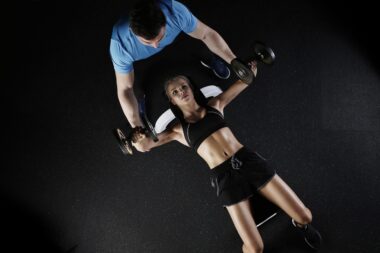
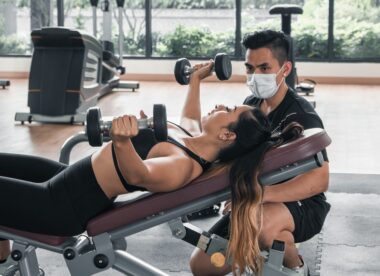
Strength training plays an essential role in postpartum recovery and encompasses various exercises to rebuild strength. It is vital for new mothers to integrate resistance training back into their routines carefully. Begin with light weights or bodyweight exercises focusing on proper form and alignment. Prioritize exercises that target the core, back, and pelvic floor, as these areas may have weakened during pregnancy and childbirth. Include exercises like squats, lunges, and modified push-ups, emphasizing controlled movements. Gradually increase intensity and resistance as your body adapts. Allow yourself the necessary recovery time between sessions to avoid injury. Additionally, consider incorporating flexibility and mobility routines into your regimen to enhance your overall physical performance. Finding a balance between strength and mobility ensures a more holistic approach to fitness. Engaging with a postpartum fitness expert can also provide personalized guidance in developing a tailored workout program. Remember, consistency is crucial, but listening to your body’s signals is paramount. As your fitness evolves, focus on maintaining your energy and nurturing your well-being, ensuring a positive and empowering experience surrounding your postpartum journey.
Key Considerations for Postpartum Strength Training
When beginning strength training postpartum, certain factors should be addressed. One important consideration is recognizing the impact of diastasis recti, a common condition that can occur during pregnancy. Distinguishing whether this condition is present can inform your exercise choices. If diastasis recti exists, avoid exercises that may exacerbate the issue, such as traditional sit-ups. Instead, opt for modified core strengthening exercises, emphasizing correct alignment. Engage your deep core muscles with movements that focus on drawing your navel in toward your spine. Another consideration involves mental well-being. Postpartum can be a time of emotional fluctuations, and acknowledging that is critical. Prioritize self-care, allowing yourself to adjust to physical and emotional changes while slowly progressing in fitness. Additionally, maintaining communication with healthcare providers about changes you’re experiencing is essential. They can provide valuable guidance on when to resume specific activities. Your unique recovery journey is highly individual; proceed at your pace. Celebrate your achievements, irrespective of how small they may be. Each step brings you closer to restoring your strength and confidence, fostering an empowering path toward wellness.
The Role of Nutrition in Recovery
Nutrition plays a crucial role in recovery and performance for postpartum women. As you embark on a fitness journey, consider the impact of nutritious food on your strength training results. Investing in a well-balanced diet will enable your body to heal effectively and support energy levels. Prioritize whole foods, including fruits, vegetables, lean proteins, healthy fats, and whole grains to meet your nutritional needs. Hydration is equally important; proper fluid intake supports overall health and fuels workouts. As your body heals, nutritional supplementation may also be beneficial to address any deficiencies that commonly arise during the postpartum period. Consulting with a registered dietitian can ensure you’re making informed choices tailored to your individual needs, especially if you’re breastfeeding. Establishing healthy eating habits can be a gradual process, so try to enjoy meal preparations and discoveries. Focus on nourishing your body without guilt and allowing yourself to indulge occasionally. A supportive diet combined with strength training does wonders for postpartum recovery, revitalizing energy levels, and enhancing overall well-being. This holistic approach will lead to a more positive experience during your postpartum journey.
Building a Supportive Environment
A supportive environment is crucial for postpartum fitness success. Surrounding yourself with encouragement can make a significant difference in motivation and commitment to your wellness journey. Engage with friends, family members, or online communities who understand the challenges mothers face during this transitional period. Share your goals and progress with them, fostering a sense of unity. Explore local postpartum fitness classes or virtual sessions to connect with other mothers. These shared experiences can provide additional motivation and accountability. Additionally, establish a designated space at home for your workouts. A clean, welcoming area, free from distractions, can create a more productive environment. Make sure to involve your partner or close friends in your fitness journey when possible; their support can help you navigate the challenges you face. Flexibility in your approach is essential, especially with unpredictable schedules and responsibilities. Finding a routine that aligns with your new lifestyle can foster a positive mindset. Remember, it’s okay to adjust your goals to meet your current reality, so every positive step forward is a testament to strength and resilience.
Setting Realistic Goals Postpartum
Setting realistic goals postpartum is critical for maintaining motivation during your fitness journey. Begin by identifying specific, measurable, achievable, relevant, and time-bound (SMART) objectives to structure your approach effectively. Understand that recovery and rebuilding strength takes time and patience; post a baby, focus on short-term, manageable goals rather than aiming for immediate significant changes. This may encompass daily or weekly targets, like incorporating specific exercises or gradually increasing workout duration. Embrace progress in increments, whether through improved endurance or successfully completing a set of targeted strength training exercises. Celebrate each achievement, no matter how small; this will help cultivate positivity and maintain momentum. Consider journaling your progress or sharing updates with supportive friends or family. Emphasizing the importance of kindness towards yourself is vital; there will be days when motivation wanes. On those challenging days, remind yourself of your commitment to your health and wellness. Understand that your worth is not defined by workout performance. Celebrate your journey as a mother, encompassing resilience, strength, and adaptability, while continuously striving for a balanced approach to fitness.
Listening to Your Body
Listening to your body is fundamental during postpartum recovery and strength training. After childbirth, your body is undergoing significant changes, and acknowledging them can provide insight into your training. Pay close attention to how you feel during and after workouts; exhaustion, pain, or discomfort can indicate the need for adjustments. If any exercise seems overly difficult, consider modifying the movement or reducing intensity. Your body may need time to adapt, so give yourself permission to take breaks or slow down as needed. Focus on mindful training rather than pushing through discomfort. Practicing mindfulness allows you to remain connected with your body, helping to identify patterns or signals that arise. Consider incorporating restorative practices like deep breathing or stretching to support recovery. Collaborating with fitness professionals who specialize in postpartum recovery can offer valuable insights, ensuring your program aligns with your unique needs. Reaffirm your commitment to prioritizing self-care while making progress at your own pace. Feeling comfortable and confident in your body is essential to sustaining motivation. With a patient and attuned approach, you can successfully navigate postpartum strength training.
Conclusion on Postpartum Strength Training
Embarking on a postpartum fitness adventure involves understanding numerous dimensions of strength training tailored to your individual journey. Awareness of your body’s changes, nutritional support, a supportive environment, and mindfulness are key elements in this process. Whether you are returning to fitness or beginning anew, tailoring your routine to account for your unique recovery phase can help you achieve balanced results. Engage with exercises that promote stabilization and proper muscle engagement; focus on rebuilding foundational strength as you progress. Setting realistic goals and celebrating small victories will foster resilience and motivation throughout the journey ahead. Allow yourself grace; fitness is not a race. Create a nurturing atmosphere around your wellness endeavors, involving loved ones who uplift you and contribute positively to your experience. Seek assistance from qualified professionals when needed, utilizing available resources to support your journey. Remember, every woman’s experience is unique, so endeavor to embrace your individuality. Through patience and dedication, you can confidently navigate your postpartum journey, supporting your body and overall well-being as you grow stronger. The path may be challenging, but it is rewarding, empowering you in motherhood and beyond.