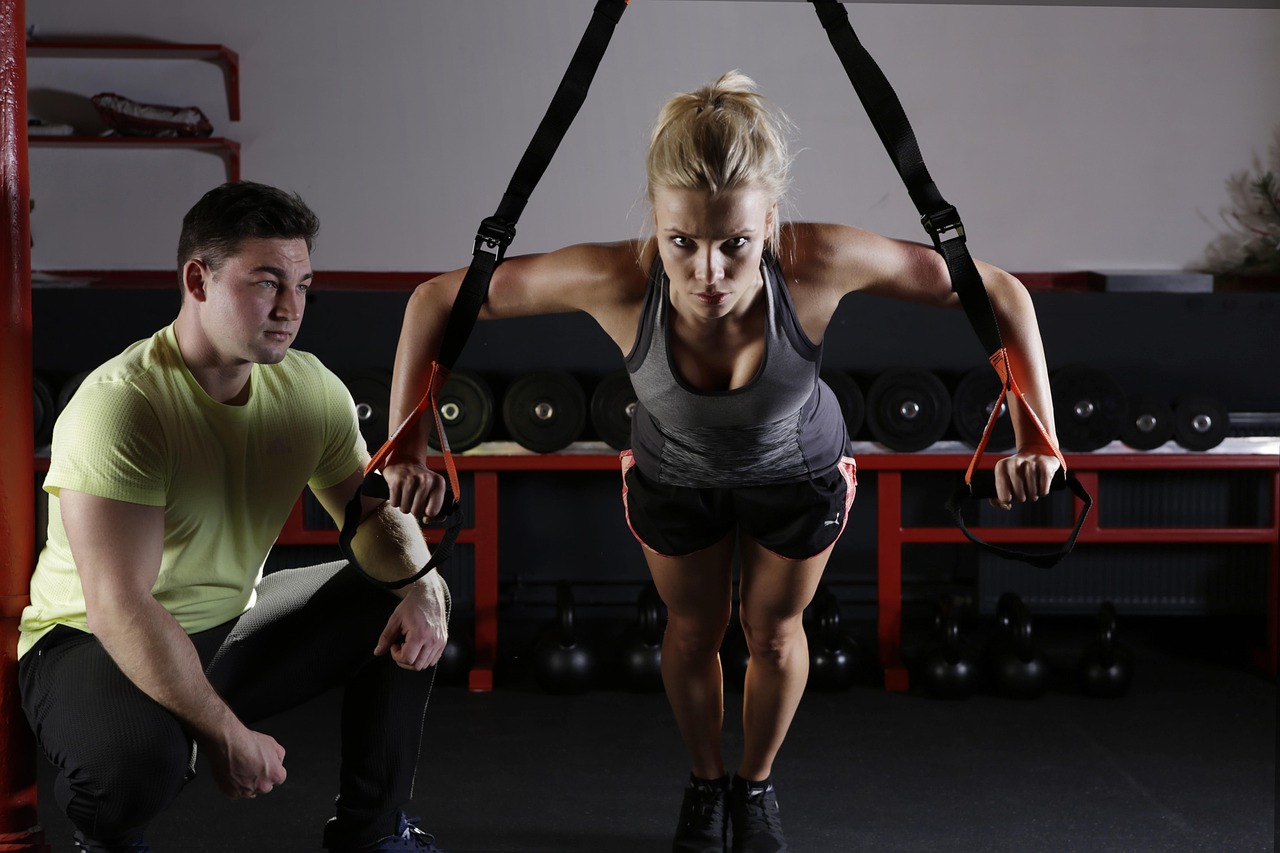

The Role of TRX Suspension Training in Rehabilitation and Injury Prevention
TRX Suspension Training is an innovative approach to fitness that uses bodyweight exercises to develop strength, balance, and flexibility. This training method is particularly effective in rehabilitation and injury prevention. By allowing users to leverage their own body weight, TRX promotes functional movements that can be tailored to individual abilities. The unique suspension system encourages a greater range of motion, enabling targeted engagement of core muscles. This engagement is crucial for stabilizing joints, reducing the risk of injuries during physical activities. In rehabilitation, TRX can help in restoring strength and mobility. It allows practitioners to gradually integrate challenging movements essential for recovery while maintaining a focus on proper form. Additionally, customized programs can be designed for various injury types, ensuring a safe exercise progression. This versatility makes TRX suitable for all fitness levels, from beginners to seasoned athletes. By enhancing stability, flexibility, and strength, TRX effectively prepares participants for more advanced training. Overall, TRX Suspension Training stands out as a beneficial method for both rehabilitation and injury prevention.
Benefits of TRX for Rehabilitation
One significant benefit of TRX Suspension Training in rehabilitation is its adaptability. It allows physical therapists to create personalized workouts adjusted to specific recovery needs. Patients can work on rebuilding strength while focusing on maintaining balance. This adaptability is invaluable as it meets the unique challenges faced by those recovering from injuries. Moreover, using TRX equips individuals to target much more specific muscle groups than some traditional methods. For instance, patients recovering from knee injuries can emphasize leg strength without compromising safety. Core strength also plays a crucial role in rehabilitation, and TRX engages the entire core effectively. Additionally, TRX helps improve proprioception, which is the body’s ability to sense movement and position. Rehabilitation through suspension training enhances this awareness, aiding in preventing future injuries. The element of instability presented by the suspension straps forces participants to engage stabilizing muscles, furthering the healing process. Another key factor is the motivational aspect of TRX training. This engaging approach can encourage participants to stay committed to their rehabilitation journey.
By incorporating TRX Suspension Training into rehabilitation routines, individuals can often experience quicker recovery times. They are also provided with tools that allow them to take control of their recovery journey. Furthermore, many patients find the suspension training both fun and appealing, which enhances adherence to rehabilitation programs. Motivation can wane in traditional rehabilitation exercises, but the versatility of TRX can inspire continued engagement and enthusiasm. They can switch up their routines while consistently challenging their muscles. This is especially beneficial for those who may feel discouraged by slower recovery times. Each successful completion of a TRX session can provide a sense of achievement, further encouraging progress. Even for clients who may have had negative experiences with traditional rehabilitation methods, TRX introduces a refreshingly dynamic alternative. Working against gravity while suspended can also reduce the impact on joints, promoting healing while lessening discomfort. Overall, the combination of versatility and motivation provided by TRX makes it an exceptional choice for rehabilitation practices.
TRX and Injury Prevention
In addition to rehabilitation, TRX Suspension Training serves as an effective method for injury prevention. By enhancing overall strength and balance, individuals can perform daily activities more effectively without injury risk. TRX promotes functional training that mirrors real-life movements. As a result, the body learns to move efficiently and safely, minimizing injury chances during unexpected physical challenges. This focus on functional movement patterns helps strengthen muscle groups that stabilize joints, a critical component in avoiding injuries. For example, improved core strength directly correlates with better control over movements involving the back and spine. Incorporating TRX workouts in a regular fitness program ensures participants build strength in these integral areas while improving stability. Furthermore, the nature of TRX training promotes a broadened range of motion in joints and muscles. Flexible muscles are less prone to injuries, which aligns with the objective of injury prevention. Engaging multiple muscle groups simultaneously can also contribute to more balanced development, thus avoiding muscle imbalances that may lead to injuries.
Another important aspect of using TRX for injury prevention is proprioceptive training. This training helps individuals become more conscious of their body positioning during various movements. Increased awareness not only improves performance but also significantly reduces injury risk. As clients practice balancing and stabilizing, they develop the skills necessary to react quickly to potential injury-causing situations. The TRX system allows practitioners to safely experiment with various movements at different intensity levels, further fostering skill mastery. Adapting TRX workouts to include elements challenging one’s balance ensures muscles and the nervous system work together efficiently. Proper conditioning through TRX can help create more resilient and adaptable athletes. This resiliency translates to improved performance in various sports and physical activities, enhancing overall quality of life. Importantly, incorporating TRX into fitness regimens promotes lifelong adherence to injury prevention strategies. Participants who effectively integrate TRX in their routines are more mindful of their body mechanics, which helps maintain injury-free fitness throughout their lives.
Conclusion: Embracing TRX for Health
In conclusion, TRX Suspension Training is a powerful tool for rehabilitation and injury prevention. Its adaptability makes it an enticing option for physical therapists aiming to provide effective rehabilitation protocols. Not only does it allow for the development of strength and balance, but it also fosters an enjoyable fitness journey for clients. The system’s versatility encourages participants to engage in their recovery, promising higher motivation levels. Its benefits extend beyond rehabilitation into injury prevention as well, encouraging improved strength, balance, and flexibility. By incorporating TRX techniques into regular workouts, individuals can build resilience against injuries while simultaneously improving overall athletic performance. Clients of all fitness levels can find value in TRX, making it a truly inclusive fitness approach. Additionally, the skills gained from TRX training prepare individuals to handle the physical demands of everyday life and sports activities. The focus on functional movement patterns is invaluable, cementing TRX’s role as an essential component of contemporary fitness training. The overall takeaway is clear: integrating TRX into workout routines can significantly enhance rehabilitation efforts and reduce injury risks.
To fully reap the benefits of TRX Suspension Training, it is vital for individuals to receive proper guidance from qualified instructors. Learning the correct techniques is fundamental to maximize results and to ensure safety throughout workouts. Expert instructors can tailor TRX programs to meet the specific needs and goals of their clients, fostering a deeper connection between the individual and their fitness journey. The more tailored the experience, the higher the chances that clients will stay committed to their goals. This tailored experience is crucial in rehabilitation settings where progress can vary significantly from one individual to the next. Regular assessments can help gauge improvement and ensure that TRX routines remain effective and safe. As clients advance, instructors can introduce new challenges that encourage continued engagement and growth. Therefore, TRX not only serves as a tool for physical training but also as a platform for building relationships between clients and instructors. Ultimately, embracing TRX as a valuable method of fitness can empower individuals on their journey toward improved health and well-being.
In summary, the benefits provided by TRX Suspension Training can lead to greater health outcomes, particularly in rehabilitation and injury prevention. By focusing on movement science, strength conditioning, and flexibility, TRX stands as an essential tool for maintaining functional fitness. It creates pathways for individuals to enhance their physical capacity and, ultimately, their quality of life. With consistent practice under expert supervision, TRX’s dynamic approach can enhance recovery rates and strengthen bodies against future injuries. As fitness enthusiasts continue to explore various training methods, TRX will undoubtedly remain a valuable resource for achieving multiple fitness goals. The evolution of fitness techniques constantly emphasizes the importance of adaptability and functional capacity, reinforcing the relevance of TRX in modern training paradigms. Embracing TRX allows practitioners to undergo significant growth, both physically and mentally, empowering them to face their fitness challenges head-on. This innovative training modality is truly shaping the future of rehabilitation and injury prevention across fitness landscapes.