
Foam Rolling vs. Massage Therapy: Pros and Cons for Mobility
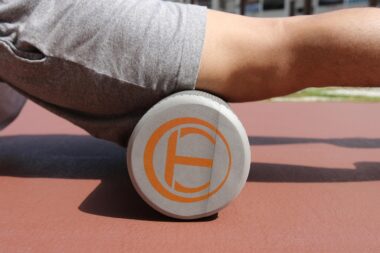
Foam rolling and massage therapy are popular techniques used to enhance mobility and flexibility. Understanding the differences and benefits is essential for anyone looking to improve their physical performance. Foam rolling utilizes a cylindrical, dense foam tool that applies pressure to muscle groups. It is primarily self-administered, allowing users to control the intensity and focus on specific areas of discomfort. Conversely, massage therapy involves a trained practitioner applying various techniques, such as kneading and pressing, to relieve tension and improve circulation. Each method has its unique advantages, catering to different needs for recovery and relaxation. Foam rolling is particularly effective before and after exercise, helping to release muscle knots and increase blood flow. It is often praised for its convenience, as it can be done anywhere. In contrast, massage therapy provides a personalized approach, addressing multiple issues with professional insight. People often report a sense of relief after a massage that foam rolling alone may not fully replicate. In the following paragraphs, we will explore their pros and cons further.
Benefits of Foam Rolling
Foam rolling offers numerous benefits that can enhance overall mobility and flexibility. One significant advantage is its role in myofascial release, which helps alleviate muscle tightness by applying targeted pressure. This technique can improve blood circulation, aiding muscle recovery after workouts. Furthermore, foam rolling is an effective method for athletes or anyone engaging in regular physical activity due to its accessibility. Individuals can perform foam rolling sessions independently, tailoring their routine to fit their specific needs. It’s also time-efficient; spending just a few minutes rolling out muscles can significantly impact performance positively. Another benefit of foam rolling is the preparation it provides before workouts. Warming up muscles through foam rolling can lead to improved range of motion and flexibility. Users often report decreased soreness and stiffness following foam rolling sessions. However, it is crucial to note that technique plays a vital role in obtaining these benefits. Proper form must be maintained to avoid injury and maximize effectiveness. In summary, foam rolling presents various advantages that contribute deeply to enhancing mobility. Its accessibility makes it a popular choice among fitness enthusiasts.
Massage therapy also brings forth compelling benefits for mobility and flexibility enhancement. It promotes relaxation by alleviating stress and tightening muscle knots that can restrict movement. A skilled therapist can identify problem areas and employ tailored techniques to decompress tight muscles. This individualized attention often leads to improved overall health and mobility, which is vital for anyone participating in physical activities. Moreover, massage therapy encourages circulation, enhancing nutrient delivery to tissues and faster muscle recovery. Athletes frequently rely on massage therapy as part of their training regimen, as it helps maintain optimal muscle function and reduces the risk of injuries. The deeper muscle manipulation techniques utilized in massage can relieve discomfort that foam rolling might not fully address. Additionally, the therapeutic environment provided by a massage setting adds to its appeal. Clients enjoy a peaceful experience, allowing for mental relaxation alongside physical benefits. While massage therapy is generally more expensive and less convenient than foam rolling, its depth and quality often lead to more significant long-term benefits. Overall, implementing massage therapy into a regular schedule can greatly enhance mobility, relaxation, and well-being.
Disadvantages of Foam Rolling
Despite its numerous benefits, foam rolling has drawbacks that should not be overlooked. One primary concern is the potential for self-inflicted injury if proper techniques are not utilized. Many individuals may apply excessive pressure, leading to bruising or muscle strains. As a self-administered technique, foam rolling lacks the insight that a trained professional provides, potentially missing critical problem areas or underlying issues. Furthermore, foam rolling may not deliver the same depth of muscle manipulation that can be achieved through massage therapy. Some users might find it challenging to roll out specific muscle groups effectively, resulting in incomplete relief from tension. Additionally, foam rolling might require some time to become accustomed to, particularly for those with heightened sensitivity to pressure. Individuals often face a learning curve before discovering what works best for them. Moreover, foam rollers are not universally affordable, particularly for high-quality, specialized tools. Lastly, foam rolling may not provide immediate relief, leading some to feel frustrated with its immediate effectiveness. It is essential to weigh these considerations to ensure proper recovery and mobility enhancement.
Massage therapy, while beneficial, also carries its own set of disadvantages. One significant drawback is the cost associated with regular sessions. Professional massage treatments can add up quickly, creating a barrier for many individuals seeking relief or enhanced mobility. On average, clients may spend between $60 to $120 per session, making it less accessible than foam rolling. Additionally, finding a qualified and compatible massage therapist can be challenging, requiring time and research. Individuals may have varying preferences regarding massage techniques, which can necessitate a trial-and-error approach to connecting with the right professional. Further complicating matters, available time for appointments often becomes another barrier for busy individuals. Regular massage appointments can require a commitment that some may find hard to maintain. Another disadvantage is the temporary nature of the effects of a massage. Many individuals find that they require consistent visits to experience the sustained benefits of massage therapy. Lastly, some people may feel uncomfortable during or after a massage due to sensitivity or emotional release. Overall, while massage therapy can be incredibly beneficial, its drawbacks must be considered.
Combining Techniques for Optimal Results
Combining foam rolling and massage therapy can yield optimal results for mobility and flexibility enhancement. Each method complements the other, providing comprehensive benefits to users. Using foam rolling techniques before experiencing a professional massage can prepare the muscles, helping the therapist target specific areas more effectively. This approach can also allow for better relaxation during the massage, enhancing the overall experience. Conversely, following a massage session with foam rolling can provide valuable self-maintenance, ensuring the benefits of the professional treatment last longer. As muscle soreness decreases, users can further optimize their flexibility with foam rolling techniques. This combination helps maintain muscle health, reduces recovery time, and minimizes the risk of injury. Additionally, incorporating both methods fosters a routine that includes self-care and professional treatment, promoting a deeper understanding of personal muscle health. Users can learn which muscle groups require more attention through their self-directed foam rolling sessions, allowing for better communication with massage therapists in the future. Ultimately, a holistic approach that incorporates both foam rolling and massage will enhance mobility significantly and improve overall physical well-being.
In conclusion, both foam rolling and massage therapy offer valuable pathways for improving mobility and flexibility. Each technique brings unique benefits and considerations, appealing to different individuals based on their needs and situations. Foam rolling stands out for its accessibility and ease of use, while massage therapy provides targeted relief from tension through professional techniques. However, one should always be cautious, as both methods can potentially lead to discomfort or injury if not performed correctly. It is crucial to approach both techniques thoughtfully, considering personal limits and monitoring responses to each method. For long-term success, integrating both foam rolling and massage therapy is ideal for many individuals. This comprehensive approach allows one to harness the strengths of each method while addressing areas of concern efficiently. Balancing self-care practices, such as foam rolling, with professional guidance from massage therapy creates an effective strategy for maintaining optimal mobility. Ultimately, understanding how both techniques function independently and in conjunction is essential for anyone seeking to improve their flexibility and mobility. Achieving a well-rounded regimen through foam rolling and massage therapy enhances physical performance remarkably.