
The Role of Flexibility in Muscle Recovery After Bootcamp Sessions
Flexibility plays an essential role in enhancing muscle recovery after intense bootcamp training. When you engage in physically demanding exercises, your muscles undergo significant stress, which can lead to tightness and soreness. Flexibility exercises, such as stretching, can improve your range of motion and help alleviate discomfort. Incorporating dynamic stretches before workouts helps prepare your muscles, while static stretching post-session promotes recovery. By enhancing flexibility, you not only reduce muscle soreness but also promote better blood flow, which delivers nutrients and oxygen needed for recovery. This process aids in metabolizing lactic acid, a byproduct of intense training that contributes to muscle fatigue. Regularly practicing flexibility can minimize injuries, allowing you to maintain a consistent bootcamp routine. So, the next time you finish a grueling session, remember the importance of those flexibility exercises. They can make a significant difference in your recovery and overall performance. Prioritizing flexibility training ensures your body remains agile and strong, ready for the next challenge. Additionally, engaging in yoga or pilates can further enhance your flexibility and overall body awareness, contributing to muscle recovery in the long term.
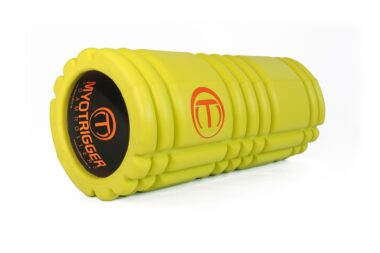
One primary component of muscle recovery is effective stretching techniques. Post-bootcamp stretching focuses on relaxing and lengthening muscles used during a workout. By dedicating time to stretching, you enhance your flexibility, reduce muscle tightness, and promote blood circulation. This encourages the delivery of nutrients essential for repair and growth. Additionally, incorporating foam rolling can be beneficial for recovery. Foam rolling helps break down muscle knots and tension, complementing your flexibility regime. Including flexibility in your routine leads to greater mobility, reducing the risk of injuries in future training sessions. Regular flexibility practice post-bootcamp fosters a recovery protocol that supports your fitness goals. Keep in mind that flexibility training varies for individuals; it’s vital to adapt stretching to your body’s specific needs. Listening to your body is key in determining effective stretches. Incorporating this recovery strategy into your fitness routine enables you to bounce back quicker from strenuous sessions. Thus, a well-rounded approach to recovery, which includes stretching, not only aids in muscle recovery but enhances overall performance. Pay special attention to major muscle groups activated during your bootcamp workouts for optimal results.
Benefits of Flexibility Exercises
Flexibility exercises provide several benefits to those participating in bootcamp training, particularly for muscle recovery. They help mitigate muscle stiffness and promote increased circulation to muscle tissues, facilitating healing. Moreover, regularly integrating flexibility routines can enhance performance in subsequent workouts by increasing range of motion. This improved range allows for more effective and efficient movements during high-intensity training. Furthermore, flexibility exercises can decrease the risk of injuries by ensuring that muscles remain supple and less prone to strains. By enhancing your flexibility, you not only prepare your body for the demands of bootcamp workouts but also create a resilient physique capable of handling various challenges. Flexibility fosters recovery through relaxation and muscle maintenance. Remember, muscle imbalances can also be addressed through targeted stretching, which promotes physical balance and harmony. Consequently, this leads to improved posture, a crucial factor in overall training efficiency and effectiveness. Practicing targeted flexibility exercises alongside your regular workout sessions can yield long-term rewards. Therefore, don’t underestimate the importance of building flexibly as part of your recovery strategy, as it’s an investment in your fitness journey.
Incorporating mindful breathing with flexibility exercises can further enhance muscle recovery. Breathing techniques focus on relaxation, which helps reduce stress and tension levels post-workout. By merging breathing with stretches, you create a holistic recovery approach that nurtures both body and mind. This is even more critical after intense bootcamp sessions when muscle fatigue and emotional stress accumulate. As you inhale deeply while stretching, visualize the tension releasing from your body, aiding in relaxation. Additionally, gentle movements that incorporate flexibility enhance muscle recovery by stimulating local blood flow. Performing stretches in a slow, controlled manner allows your body to adapt and find comfort in each position. A dedicated stretching routine combined with mindful breathing techniques can lead to faster recovery and tighter connections between physical and mental health. As a result, practicing these complementary methods ensures that you maintain a balance within your fitness regimen. You don’t just get stronger physically but also mentally. Tracking your flexibility improvement over time can serve as motivation to remain committed to your training routine, reinforcing the connection between flexibility and recovery quality.
Flexibility and Injury Prevention
By enhancing flexibility through proper warm-ups and cool-downs, you create a solid foundation that supports injury prevention in bootcamp training. When engaged in various exercises, understanding the importance of form and technique is essential, and flexibility aids in achieving that balance. Flexible muscles and joints can better absorb shock and adapt to the physical stress placed on them during workouts. Moreover, flexibility exercises counteract the risk of developing chronic injuries, such as strains and sprains resulting from repetitive movements. Staying committed to a balanced approach that includes strength, flexibility, and mobility forms a comprehensive training regime. As you progress in your fitness journey, remember that flexibility training is just as vital as strength training. Additionally, listening to your body is fundamental; if you feel tight or uncomfortable, adapt your training regimen accordingly, emphasizing stretching and mobility work. The time spent on such recovery practices reinforces the benefits and ensures you keep reaching your fitness goals. Ultimately, flexibility enhances not only muscle recovery but also overall workout efficacy, ensuring you stay fit and active in your bootcamp endeavors. Commit to regular flexibility sessions as the key to unlocking peak performance.
Nutrition also plays a pivotal role in optimizing muscle recovery alongside flexibility training. After intensive bootcamp sessions, your body requires nutrients to repair and rebuild muscle tissues. Consuming a balanced diet rich in proteins, carbohydrates, and healthy fats fuels this recovery process. Nutritional choices directly influence how your body handles stress and fatigue. Pairing nutrition with consistent stretching routines amplifies recovery outcomes. For instance, including antioxidants in your diet, such as fruits and vegetables, can reduce inflammation resulting from intense workouts. Staying hydrated is another crucial factor in supporting muscle recovery, so ensure you drink adequate fluids post-exercise. Drinking water, as well as electrolyte-rich beverages, ultimately aids in maintaining optimal hydration levels. When your body is well nourished and hydrated, it can effectively adapt to the demands of bootcamp training. Therefore, pay equal attention to your nutrition and flexibility. Both work synergistically to enhance recovery and performance. Additionally, consider post-workout recovery supplements if necessary, however, always consult with a healthcare professional before introducing new supplements. Adequate nutrition combined with flexibility routines ensures you bounce back from workouts, keeping you motivated for your training.
Conclusion and Moving Forward
In conclusion, flexibility and mobility exercises are invaluable for muscle recovery after intense bootcamp sessions. Prioritizing flexibility training not only enhances muscle recovery but optimizes overall performance. By integrating effective stretching techniques, you can alleviate muscle soreness, improve range of motion, and decrease the risk of injuries. Remember, it takes consistency and patience to see results, so dedicate time to flexibility as part of your recovery routine. In tandem with nutrition and hydration, flexibility practices provide a holistic approach to muscle recovery, ensuring your body remains resilient and capable. As you continue with your bootcamp training, embrace flexibility as an essential tool for long-term success. Additionally, consider collaborating with a fitness coach who can help personalize your flexibility routine, catering to your specific needs and abilities. This tailored approach can enhance your recovery while preventing any stalking injuries caused by overtraining or tight muscles. By evaluating your progress regularly, you can adapt your flexibility training as necessary to meet your evolving fitness goals. Embrace the benefits of flexibility and mobility exercises as you move forward on your fitness journey toward recovery and improved physical performance.
Flexibility plays an essential role in enhancing muscle recovery after intense bootcamp training. When you engage in physically demanding exercises, your muscles undergo significant stress, which can lead to tightness and soreness. Flexibility exercises, such as stretching, can improve your range of motion and help alleviate discomfort. Incorporating dynamic stretches before workouts helps prepare your muscles, while static stretching post-session promotes recovery. By enhancing flexibility, you not only reduce muscle soreness but also promote better blood flow, which delivers nutrients and oxygen needed for recovery. This process aids in metabolizing lactic acid, a byproduct of intense training that contributes to muscle fatigue. Regularly practicing flexibility can minimize injuries, allowing you to maintain a consistent bootcamp routine. So, the next time you finish a grueling session, remember the importance of those flexibility exercises. They can make a significant difference in your recovery and overall performance. Prioritizing flexibility training ensures your body remains agile and strong, ready for the next challenge. Additionally, engaging in yoga or pilates can further enhance your flexibility and overall body awareness, contributing to muscle recovery in the long term.