
Mindfulness and Its Importance
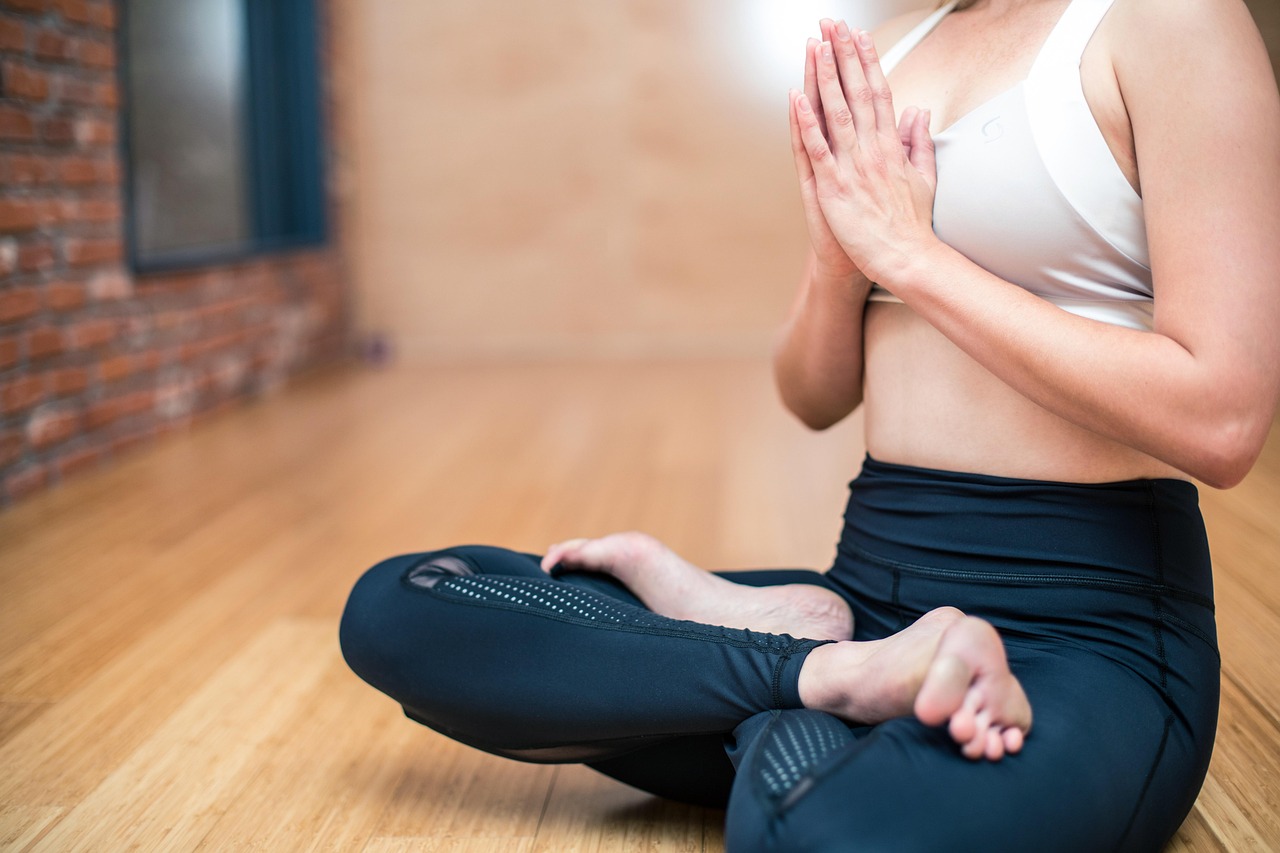
Mindfulness is a practice that enhances focus and awareness, helping individuals engage in the present moment. In adaptive fitness programs, practicing mindfulness can lead to improved outcomes by promoting a positive mindset, reducing anxiety, and enhancing enjoyment of physical activities. When individuals practice mindfulness, they cultivate greater awareness of their bodies and movement patterns, which is crucial for enhancing balance. This is especially beneficial for those engaging in adaptive fitness regimens, where the goal is to meet the unique needs of individuals with various disabilities. Mindfulness encourages a non-judgmental approach, enabling participants to appreciate their abilities and progress, while fostering self-compassion. As a result, individuals can better navigate challenges they face during physical activities, leading to a more fulfilling experience. Incorporating mindfulness into exercise routines not only helps with creativity and motivation but also provides a pathway to cultivate resilience. Mindful movements, such as yoga or tai chi, explicitly focus on precision and control, directly supporting improved balance. Consequently, embracing mindfulness within adaptive fitness not only makes workouts more effective but also serves to enrich the overall practice of fitness for those who benefit from it.
Essential Mindfulness Techniques
To implement mindfulness techniques in adaptive fitness programs, it’s important to introduce a few simple practices that participants can easily grasp. One effective method is the practice of mindful breathing, which involves focusing on the air flowing in and out of the body. This technique helps individuals relax and center themselves, allowing for improved concentration on physical activities. Another valuable technique is body scanning, where participants mentally check in with different body parts to enhance their awareness of physical sensations. This practice encourages individuals to identify areas of tension or discomfort and approach them with a non-judgmental mindset. Additionally, visualizations can play a role; athletes can imagine successful movements before executing them, which may enhance their confidence and balance. Incorporating these practices into warm-ups can create a foundation for a mindful workout. Furthermore, it’s also beneficial to utilize guided meditation sessions to help participants establish a personal connection with their bodies. Doing so fosters an environment of acceptance and patience, crucial for adaptive fitness success. Group discussions can also prompt sharing experiences, enhancing the sense of community among participants.
Mindfulness in adaptive fitness promotes the idea of slowing down and focusing on each exercise, enhancing balance through better body awareness. Participants can practice this by consciously moving through each action, maintaining an awareness of their alignment and engagement. This intentional approach allows individuals to notice their movements and adjustments, which can lead to a greater understanding of balance during workouts. For effective practice, instructors can emphasize clarity in movement transitions, allowing participants to modulate pacing. Exercises such as standing on one leg or performing gentle yoga postures promote stability and require focus, making them excellent candidates for mindfulness practices. Observing how gravity interacts with their bodies during these exercises is essential, contributing to increased body awareness and understanding of balance mechanics. Moreover, incorporating mindful movements, like flow sequences in yoga, may help participants develop the mental discipline required for enhanced balance. This discipline extends to everyday activities, making daily tasks easier and safer for individuals engaged in adaptive fitness. Importantly, the utilization of mindfulness to cultivate balance ultimately leads to improved physical performance, emotional well-being, and confidence.
The inclusion of mindfulness in adaptive fitness routines not only benefits physical balance but also promotes emotional resilience among participants. Practicing mindfulness enables individuals to acknowledge their feelings without judgment, which is vital for managing setbacks and frustrations during their fitness journeys. This emotional awareness can enhance positive self-talk, allowing individuals to foster encouragement and compassion towards themselves. Identifying and acknowledging limitations becomes a process of growth rather than a source of discouragement. Importantly, adaptive fitness programs often focus on diversity, emphasizing that everyone’s journey is unique; mindfulness reinforces this understanding. Additionally, group settings provide opportunities to share personal stories and struggles, fostering connections among participants. Such interactions help mitigate feelings of isolation and build a supportive community, essential for maintaining motivation in an adaptive fitness program. Mindfulness also opens channels for gratitude; participants can express appreciation for their bodies and the improvements they’ve made. As they cultivate forgiveness and kindness within themselves, they are better equipped to celebrate the journeys fellow participants take, enhancing their emotional well-being. Ultimately, this approach contributes significantly to maintaining a long-lasting commitment to adaptive fitness.
Practical Implementation Strategies
Implementing mindfulness techniques in adaptive fitness programs requires strategic planning and organization. Instructors can begin by incorporating short mindfulness breaks into sessions, allowing participants to ground themselves and refocus energy. These breaks can be as simple as pausing for a few moments to breathe and acknowledge their surroundings. Gradually building on this, classrooms or outdoor sessions can be designed with mindfulness-focused activities integrated into the curriculum. Educators can implement thematic classes that revolve around concepts such as balance, strength, or flexibility, using mindfulness principles throughout. Creating a safe space for dialogue is also essential; organize designated times for participants to share thoughts and experiences related to mindfulness practices. This action could inspire others to venture into mindfulness techniques that resonate with their own experiences. Instructors should feel confident sharing their mindfulness practices as well, which nurtures a culture of learning within the community. Providing accessible resources, like handouts or video tutorials, could guide participants in refining their mindfulness routines outside of class hours. Finally, it’s crucial to emphasize that mindfulness is an ongoing journey; practitioners should embrace the process rather than seek perfection.
Safe integration of mindfulness practices encourages participants to explore their unique experiences with adaptive fitness. Engaging in mindfulness should feel accessible and be framed positively, fostering excitement for learning and exploring new techniques. Instructors may guide participants in establishing personal goals related to practicing mindfulness, acknowledging that everyone may experience different outcomes. Reassuring individuals that struggling with mindfulness is entirely natural lays the groundwork for cultivating resilience. Developing personal connections with individual participants can strengthen the overall program community, leading to shared understanding and support. Creating a routine for mindfulness may also help solidify its role in adaptive fitness programs, reinforcing positive behaviors over time. Scheduling regular mindfulness reflections at the end of classes could offer valuable opportunities to foster connections between physical experiences and emotional growth. Encouraging participants to journal their thoughts and feelings about their fitness journeys is another powerful tool for enhancement. As they reflect on moments of mindfulness throughout their workouts, they can discover the interplay between their emotions and balance. By combining these elements, adaptive fitness can dramatically change participants’ relationships with themselves and their fitness journeys.
Mindfulness and adaptive fitness create powerful synergies that promote improved balance, resilience, and personal growth. The journey is collaborative, shared between instructors and participants, fostering an inclusive and encouraging environment. Recognizing that balance is a multifaceted process helps instill self-confidence and adaptability among participants, crucial for their overall well-being. Furthermore, this holistic approach acknowledges that physical fitness is interconnected with mental and emotional health, enhancing the overall effectiveness of adaptive fitness programs. By emphasizing the importance of each participant feeling heard and supported, group dynamics become stronger. This strength forms a foundation for practicing mindfulness, allowing individuals to be proactive about their physical health and balance journeys. Therefore, integrating mindfulness practices in adaptive fitness isn’t merely a trend; it serves as a transformative practice that encourages respect for oneself. In doing so, individuals can discover new depths to their capabilities, positively impacting their daily lives and relationships with others. Mindfulness will ultimately revolutionize the adaptive fitness landscape, serving as a guiding compass toward fulfillment and success in every participant’s unique journey and fitness aspirations.