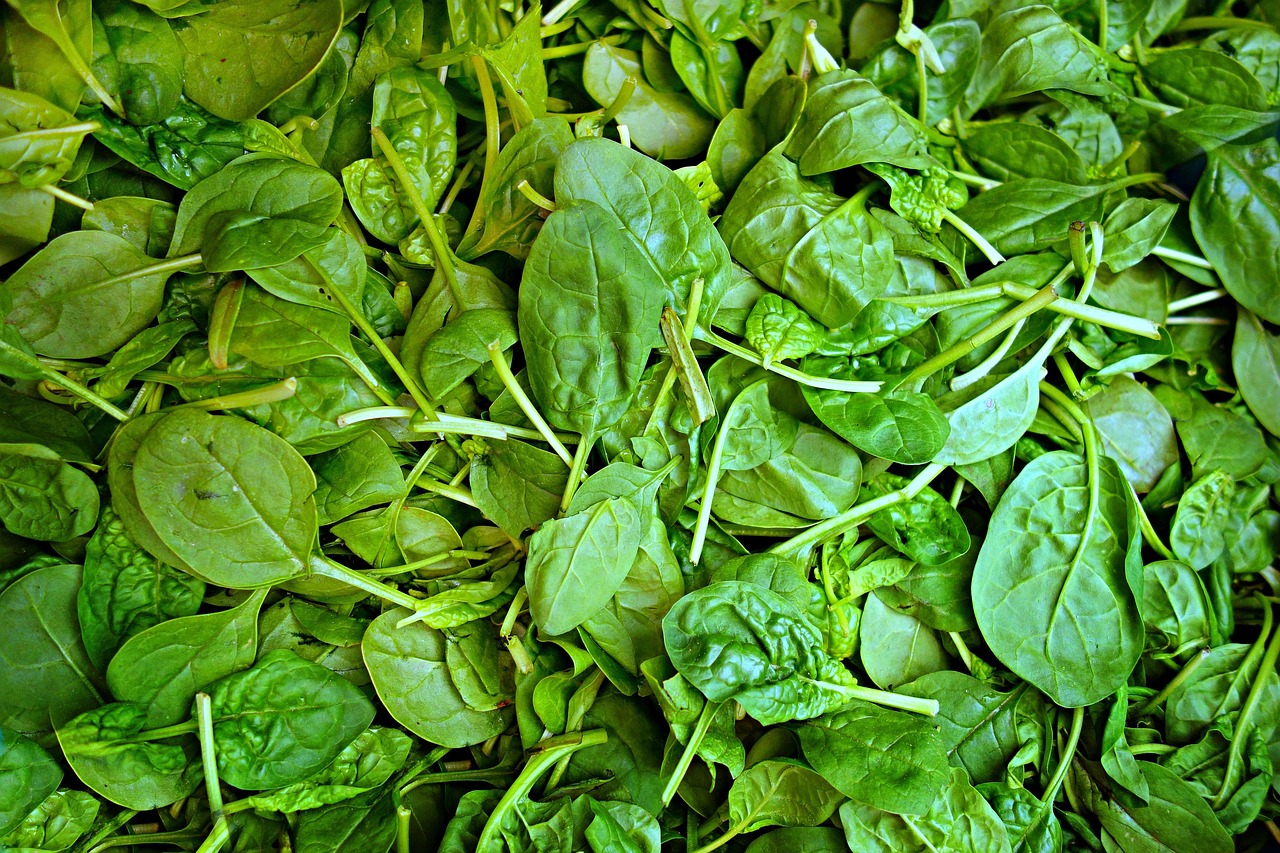

The Effect of Cooking on Mineral Content in Common Vegetables
The nutritional value of vegetables can be significantly influenced by various cooking methods. Different procedures can retain or destroy essential minerals, depending on the vegetable in question. Minerals such as calcium, potassium, and magnesium play a crucial role in maintaining health. When cooking vegetables, methods like steaming, boiling, or microwaving should be carefully considered. For instance, boiling can lead to a considerable loss of minerals due to leaching. This phenomenon occurs when soluble minerals seep into boiling water. However, using methods like steaming can help retain these nutrients effectively. Steaming not only preserves mineral content but also enhances overall texture and flavor without introducing excess fat. Notably, it’s essential to adjust cooking durations as different vegetables have unique compositions that will affect retention rates. For example, leafy greens may require shorter cooking times as they have a high water content. Therefore, understanding how various cooking techniques affect nutrient retention can guide choices towards healthier meals. Choosing optimal cooking methods is beneficial for maximizing the health benefits of vegetables consumed regularly and maintaining a balanced diet with essential minerals.
Furthermore, different cooking techniques cause changes in mineral bioavailability, which can impact how the body absorbs minerals. For example, the preparation methods of some vegetables lead to better mineral absorption than others. Cooking techniques like roasting or grilling can caramelize some vegetables, improving their taste and overall appeal, yet they might also alter the nutrient profile. Particularly, some minerals may become more bioavailable after cooking. For instance, cooking tomatoes enhances the absorption of lycopene. However, caution should be exercised as excessive heat could destroy sensitive nutrients. Each cooking method’s impact on minerals varies from one vegetable to another. Vegetables such as carrots, which are often consumed cooked, see an increase in bioavailable carotenoids post-cooking. These transformations highlight the importance of incorporating a variety of cooking methods into meal preparations. Mixing methods not only adds diversity to meals but also ensures a wider range of vitamins and minerals in the diet. Experimenting with various techniques can lead to healthier meals and contribute to improved nutrient intake, essential for maintaining energy levels and supporting overall health and wellness.
Impact of Water on Mineral Retention
Water plays an integral role in the cooking process, particularly in how it affects mineral retention. The choice of water and its temperature can significantly influence nutrient loss during cooking. Boiling vegetables in large quantities of water leads to increased mineral leaching into the water, which is often discarded after cooking. This practice can result in substantial nutrient losses, particularly in water-soluble minerals like potassium and vitamin C. To mitigate this, a smaller amount of water tailored to the type of vegetable can help reduce nutrient loss. On the other hand, methods that utilize minimal water, such as steaming or sautéing, contribute greatly to preserving both taste and nutritional value. Additionally, using the residual liquid from boiling to prepare sauces and soups can help reclaim lost minerals, thereby reducing waste and enhancing nutrition. Thus, the water used during cooking should be seen as an essential component, influencing how much of the vegetables’ minerals ultimately reach the plate. Adapting methods to incorporate this knowledge can ensure that vegetable cocktails are rich in essential nutrients while remaining flavorful and appealing at meals.
Moreover, the nutrient retention capacity of various vegetables also depends on their structural properties. Root vegetables, for example, often demonstrate greater resilience compared to leafy greens. These structural differences can significantly influence how minerals behave during cooking. The fibrous matrix found in root vegetables like potatoes and carrots aids in trapping nutrients, helping minimize their loss during cooking. In contrast, delicate leafy greens like spinach quickly lose nutrients when exposed to heat. Understanding these differences can guide proper cooking times and methods. Light sautéing or blanching is often sufficient for leafy greens to retain their minerals effectively. It also preserves texture and flavor, making them more palatable. In contrast, denser vegetables may require longer cooking times to achieve tenderness while still safeguarding their mineral contents. Consequently, awareness of the specific vegetables and their structural properties allows for better cooking strategies that maximize nutritional intake. Through comprehension of how different vegetables hold up during cooking, individuals can prepare nutritious and satisfying meals that contribute to a holistic dietary approach and promote better health outcomes significantly.
Cooking Durations and Temperature
Cooking durations and temperatures play a pivotal role in determining the extent of mineral retention in vegetables. Each vegetable has an optimal cooking duration that balances taste, texture, and nutrient preservation. Overcooking can lead to significant mineral losses, especially in water-soluble vitamins and minerals. For instance, prolonged boiling of broccoli can result in up to 70% loss of vitamin C and essential minerals. Conversely, cooking foods at the optimal heat can not only retain minerals but can also enhance flavors and palatability. Light sautéing or a quick stir-fry can preserve the crispness of vegetables while locking in nutrients. It’s important to consider that while higher temperatures may rapidly cook vegetables, they can also destroy heat-sensitive vitamins and minerals. Therefore, paying attention to cooking conditions is essential for retaining a vegetable’s mineral content while ensuring that meals are enjoyable and appealing. Experimenting with shorter cooking times and lower temperatures can open avenues for maintaining the nutritional integrity of various vegetables. By fostering this awareness, home cooks can actively contribute to a more nutritious diet, improving their overall health and well-being by integrating more mineral-rich foods.
Additionally, the choice between cooking methods can make a noticeable difference in the mineral content of vegetables. For instance, boiling often causes greater mineral loss compared to steaming or microwaving. Steaming has emerged as one of the most effective methods for preserving minerals, as the vegetables remain above the boiling water, preventing leaching. Moreover, microwaving has gained a reputation for retaining more nutrients due to its quick cooking time and reduced need for water. Research shows that microwaved vegetables can retain a higher percentage of minerals than other cooking methods. In fact, a study revealed that microwaving broccoli maintains about 90% of its nutrients compared to boiling or frying techniques. Thus, when preparing vegetables, opting for steaming or microwaving can substantially mitigate nutrient loss and enhance the health benefits of meals. By making informed choices regarding cooking methods based on scientific insights into nutrient retention, everyone can enjoy greater health benefits from their food choices. Thus, it becomes essential to educate oneself on the best practices of cooking for maximizing the nutritional value in daily diets.
Conclusion
In conclusion, the effect of cooking on the mineral content in common vegetables is a critical aspect of maintaining their nutritional value. Understanding various cooking methods allows individuals to make informed decisions regarding meal preparation. Choosing the right strategy can help minimize nutrient loss and maximize the health benefits derived from vegetables. Methods such as steaming and microwaving have shown to be more effective in retaining essential minerals. Additionally, customizing cooking times and temperatures based on the structural characteristics of specific vegetables further contributes to preserving their vitamin and mineral contents. As cooking practices evolve, awareness of how they impact nutrient retention becomes indispensable. This understanding encourages a balanced consumption of diverse vegetables for optimal health benefits. Ultimately, by integrating better cooking practices, individuals can significantly enhance their diets, fostering improved health outcomes. Nutrition is a journey that can be enriched through small yet powerful changes in cooking methods. Therefore, it’s imperative to embrace these strategies to prepare nutritious dishes that honor and preserve the natural qualities of vegetables while supporting health and wellness goals effectively. By prioritizing nutrient retention, individuals equip themselves to thrive in their daily lives.
In addition, ongoing research into cooking methods and nutrient retention continues to reveal new insights that can help further food preparation practices. Understanding how specific cooking techniques can alter the mineral profiles of vegetables will ensure that diets remain rich in essential nutrients. Future studies can delve deeper into emerging cooking technologies, such as sous-vide, which may offer innovative ways to cook while retaining maximal nutrition. Ongoing education and awareness in these areas can lead to improved culinary practices, ultimately benefiting consumers’ health and wellness. To summarize, as people recognize the importance of mineral retention in vegetables, they can consciously select cooking methods that reflect their health goals and dietary needs. This knowledge empowers individuals to make choices that coincide with a balanced and nutritious lifestyle. By being proactive about how they prepare vegetables and remaining adaptable to new cooking techniques, they can enhance their overall well-being. Thus, engaging with the science of cooking allows individuals to take control over their health through informed meal preparation. In essence, this journey towards better nutrition offers opportunities for creativity and wellness in dietary choices.