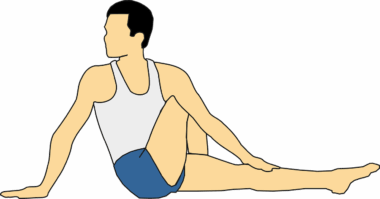

Effective Warm-Up Exercises to Prevent Gym Injuries
Preparing your body before engaging in intense workouts is essential, as warm-up exercises serve various important purposes. These activities help you gradually increase your heart rate and muscle temperature, preparing your body for the physical stress of your workout. Furthermore, warm-ups can improve your range of motion and flexibility, ensuring that your muscles are more adaptable to the demands of the exercise. A proper warm-up can also help prevent injuries, allowing you to maximize your training effectiveness safely. Neglecting warm-ups not only puts you at risk of strain and injuries but can also lead to longer recovery times. Therefore, incorporating an effective warm-up routine into your workouts should be a non-negotiable aspect of any fitness regimen. Remember, the goal is to activate your muscles and joints slowly, reducing sudden stress on them when you start your training. To achieve this, you can start with light aerobic exercises followed by dynamic stretches. Implementing these warm-up strategies could significantly enhance your workout experience and provide longevity to your fitness journey.
The Importance of Dynamic Stretching
Dynamic stretching plays a significant role in warming up your body effectively before exercising. This form of stretching involves moving parts of your body through a full range of motion, providing an adequate level of muscle activation. Unlike static stretching, which can leave your muscles cold and unprepared, dynamic stretching raises your body temperature and increases circulation to your muscles. Common dynamic stretches include leg swings, arm circles, and torso twists. These movements stimulate blood flow and improve joint flexibility, ultimately extending your range of motion during workouts. Adding dynamic stretches to your warm-up routine supports muscle performance, allowing your body to engagefully without putting unnecessary stress on your muscles and joints. Enhanced mobility and improved performance translate directly into your workout results, which is beneficial for achieving your fitness goals. In addition to physical preparation, dynamic stretching can serve as a mental tool, helping you get focused and energized before your workout. By combining these elements, you can set a positive tone for both your body and mind, which is essential for an effective workout regimen.
Incorporating cardiovascular exercises into your warm-up routine is another effective way to prepare your body for the gym. Activities such as jogging, jumping jacks, or skipping rope not only serve to elevate your heart rate but also activate your entire body. These cardiovascular warm-ups are essential for enhancing your body’s ability to perform under stress and can be adjusted for your fitness level. For beginners, starting with a brisk walk or light jog can be effective, while more advanced individuals can consider high knees or burpees for a more intense warm-up. Engaging in cardiovascular exercises for 5 to 10 minutes is typically sufficient to increase circulation and oxygen delivery to the muscles. This increased blood flow helps to ready your body for the more strenuous workout that follows. Additionally, a cardiovascular warm-up can improve mental focus and motivation, as it gets your mind and body in sync. By ensuring that your warm-up routine includes an element of cardiovascular activity, you can create a solid foundation that will maximize your workout time and effectiveness.
As you prepare your body for your workout, implementing mobility exercises will help you achieve optimal performance. Mobility work focuses on improving joint range of motion and flexibility, ensuring that your body can move freely without restriction. Simple routines can include gentle lunges, hip circles, and shoulder dislocations, emphasizing smooth and controlled movements. These exercises contribute to restoring balance in tight muscles while enhancing functional movement during workouts. Improved mobility is crucial for many physical activities, especially those that rely on compound movements or explosive power, such as weightlifting and sprinting. Prioritizing mobility in your warm-up routine not only helps to prevent injuries but also prolongs the longevity of your joints and muscles. A routine that includes mobility exercises will promote synchronized movement patterns and reduce the risk of imbalances. This can significantly enhance your performance and overall workout experience, encouraging the consistency required for long-term success in your fitness journey. It’s important to listen to your body and adapt mobility exercises to your individual needs for optimal results.
Incorporating resistance bands into your warm-up routine can greatly enhance muscle activation, preparing your body for more challenging exercises. Resistance bands are versatile tools that can be easily used to target various muscle groups, promoting strength and flexibility in the process. Examples include lateral band walks, band pull-aparts, and glute bridges with resistance. These exercises engage multiple muscle fibers dynamically, ensuring that your muscles are ready for the demands of your workout. Using resistance bands can also help identify weaknesses or imbalances to pay attention to while training. They are particularly useful for warming up stabilizing muscles that may not be activated through traditional warm-ups. By integrating resistance bands into your routine, you not only prepare your muscles for heavier lifting but also improve your overall performance. Moreover, resistance bands are portable and lightweight, allowing for convenient warm-up options anywhere, including home gyms or park workouts. The incorporation of resistance bands into your warm-up can provide a progressive approach to your fitness journey, allowing you to work towards improved strength and conditioning.
Cool-Down Techniques for Injury Prevention
Post-workout routines, often overlooked, are equally as important in preventing injuries as warm-ups. Engaging in proper cool-down exercises allows your body to transition gradually from intense physical activity to a resting state, facilitating recovery. This helps to prevent stiffness and assists your body in flushing out metabolic waste produced during workouts. Incorporating static stretching into your cool-down routine can significantly improve flexibility and muscle recovery. Spend time focusing on stretching the major muscle groups engaged during your workout routine, holding each stretch for 15-30 seconds. This will enhance blood flow to those muscles and promote relaxation. Consider adding deep breathing techniques to your cool-down as well, which can reduce heart rate and help you regain focus. Paying attention to hydration during this period is crucial—replenishing lost fluids ensures that your body stays balanced while promoting a faster recovery. Additionally, using foam rollers or massage tools can help alleviate muscle soreness and knots, enhancing recovery further. By integrating an effective cool-down routine into your workout regimen, you can enhance your overall training experience while minimizing the likelihood of future injuries.
Creating a balanced warm-up routine customized to your needs can significantly benefit your overall workout performance. Assess your workout type and intensity, as adjust your warm-up accordingly to match those demands. For instance, a strength-training session may require more focus on muscle activation through light resistance, while a cardio-centered workout might need more dynamic movements aimed at elevating your heart rate. Collaborating with a fitness professional can help guide you in constructing an effective warm-up routine targeted at your specific goals. Additionally, investing time in evaluating your previous workouts can provide insight into areas for improvement and help you tailor your warm-up accordingly. Utilizing various techniques such as dynamic stretches, mobility work, and resistance bands can personalize your approach to suit your fitness level. Documenting your progress while experimenting with different warm-up exercises can lead to better results and encourage personal growth. Ultimately, finding what works best for your body and integrating it consistently into your training can greatly enhance your workout experience and help prevent injuries in the long run.
In conclusion, understanding and implementing effective warm-up exercises is critical for injury prevention and maximizing performance during workouts. A consistent warm-up routine will promote range of motion, improve circulation, and elevate your heart rate, all essential elements for preparing your body before intense exercise. By incorporating elements such as dynamic stretching, cardiovascular activity, mobility work, and resistance band exercises, you’ll establish a comprehensive approach that benefits your overall fitness. Equally important, don’t forget to cool down after your workout to enhance recovery and prevent future injuries. Performing static stretches, deep breathing, and foam rolling based on muscle engagement will greatly improve your recovery time. Personalizing your warm-up and cool-down routines based on your goals makes them more effective and increases the likelihood of success in your fitness journey. Listen to your body and adjust your routines as needed, focusing on areas that require attention. Building a habit around thorough warm-up and cool-down practices will pay off in the long run. Committing to this holistic approach in your workouts can significantly reduce the risk of injury and improve long-term performance while enjoying your exercises fully. Stay committed, and you’ll reap the rewards.