
Incorporating Pilates into Your Triathlon Core Training
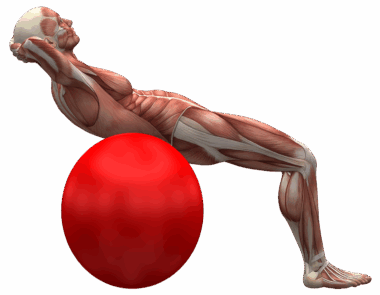
In the realm of triathlon training, core stability is paramount for enhancing performance across all three disciplines. Triathletes often underestimate the importance of a strong core, which is essential for maintaining form and efficiency during swimming, cycling, and running. Pilates is an excellent method to develop core strength while improving flexibility and balance. By integrating Pilates into your training regimen, you can cultivate a resilient core that supports endurance and reduces the risk of injury. Core training not only stabilizes the body but also promotes better posture and movement efficiency. Consequently, triathletes can benefit significantly from the unique focus of Pilates on core engagement, control, and precision through controlled movements. With various Pilates exercises targeting core muscles, participants can enhance their overall performance. Moreover, incorporating breathing techniques from Pilates helps manage exertion and anxiety during races. Therefore, embracing Pilates provides a holistic approach to triathlon training. Other advantageous aspects include functional movement practice, which helps in simulating race conditions effectively. Emphasizing stability, flexibility, and strength paves the way to long-term success and resilience in the sport.
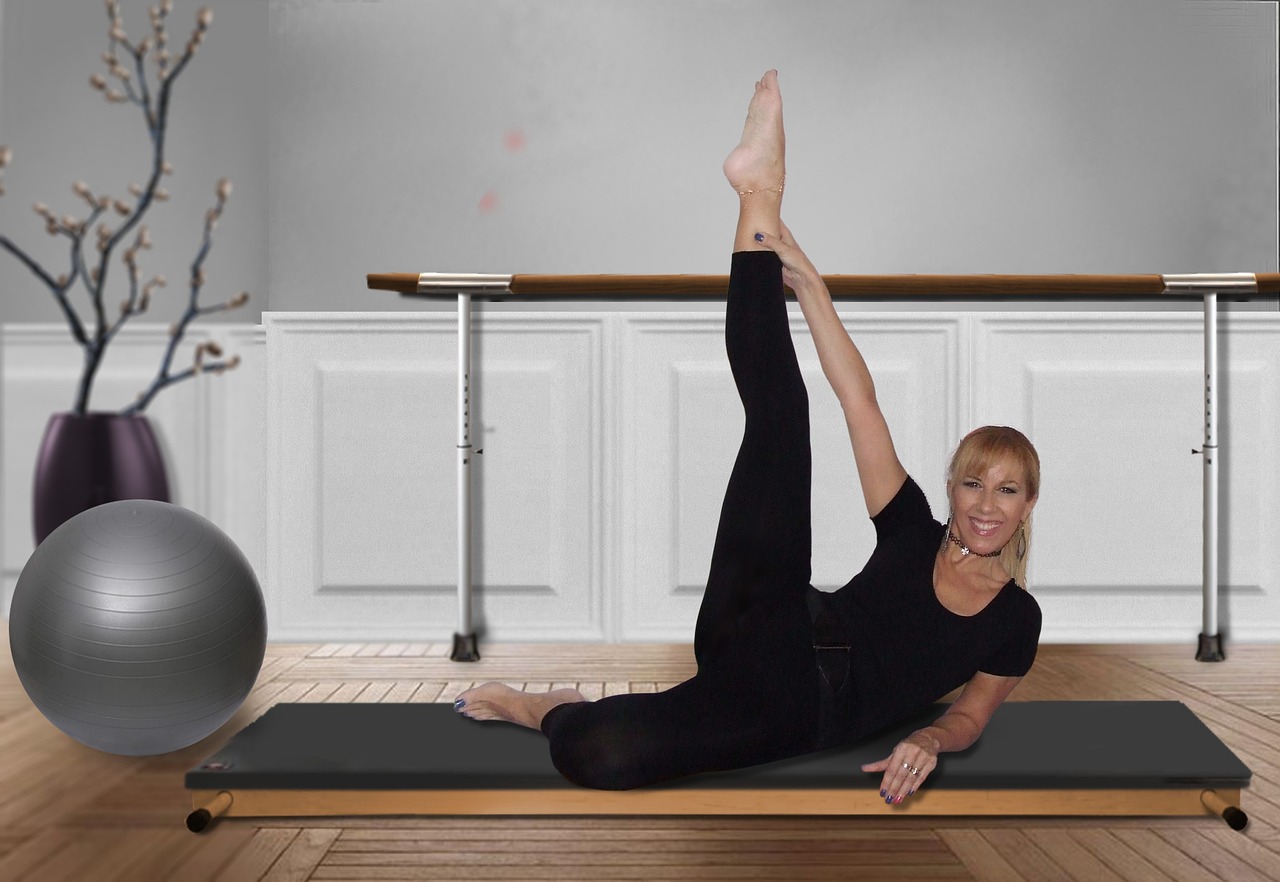
To fully enjoy the benefits of Pilates, triathletes can start by incorporating a consistent Pilates routine 1-2 times weekly. A session can typically last between 45 minutes to an hour, allowing ample time to focus on breathing, movement rhythm, and core control. Begin each session with fundamental Pilates principles such as the pelvic curl and the hundred. These movements emphasize initial core activation and control, crucial for drafting effective core strength. Gradually, triathletes should progress to more advanced exercises like the plank series and teaser to build endurance and muscular stability. On the other hand, modifications can be made to challenge one’s abilities without risk of injury, ensuring everyone can participate regardless of skill level. Working with an experienced Pilates instructor can provide valuable insights on proper techniques and variations tailored to individual needs. As endurance athletes, triathletes can also benefit immensely from increased flexibility and range of motion achieved through Pilates. Each exercise serves to complement traditional triathlon workouts while addressing common muscle imbalances. This careful balance prevents overuse injuries, creating a harmonious body in preparation for race day and beyond.
Pilates Fundamentals for Triathletes
It’s vital for athletes to grasp key Pilates fundamentals to optimize their core training effectively. One primary focus is developing a strong mind-body connection, as Pilates encourages awareness of breath and movement. Triathletes must align their mental focus with physical execution to enhance performance on race day. Each movement should be performed with intention, utilizing controlled breathing as a tool to maintain focus and strength during difficult exercises. Fundamental principles like centering, concentration, control, precision, breath, and flow characterize Pilates practice. Centering helps athletes engage their core muscles effectively, forming the basis of all movements. Concentration sharpens focus, thereby reducing distractions during intense training sessions. Additionally, establishing control and precision in each exercise ensures correct form, minimizing the risk of injury. Breath control enhances physical endurance, ensuring that athletes remain calm, even under pressure from racing and completing longer distances. Finally, emphasizing flow promotes smooth transitions in movement, which is essential for triathlon athletes. Adopting these fundamentals in training will lay the groundwork for improved performance and a stronger body overall.
Another significant advantage of Pilates is its ability to enhance overall flexibility and posture, crucial for triathletes. Regular participation in Pilates sessions encourages the strengthening of the muscles supporting the spine while lengthening tight areas around the hip flexors and shoulders. Consequently, improved posture translates to increased efficiency in triathlon performance. A flexible body helps athletes achieve a greater range of motion, thus allowing more fluid movement during all three sports. For instance, improved hip flexibility directly impacts the cycling position, allowing for optimal pedal power and a more aerodynamic stance. Similarly, enhanced shoulder mobility can help swimming strokes, reducing energy expenditure and maintaining speed. Furthermore, focusing on controlled movements in Pilates reduces the risk of injury that arises from overextension or strain when under pressure during races. It becomes essential for triathletes to prioritize flexibility within their training regimens. The use of props like resistance bands or foam rollers during Pilates workouts can augment flexibility drills. These targeted approaches in Pilates can effectively complement triathlon-oriented flexibility training, leading to overall improvement in performance and reduced injury risk.
Integrating Pilates with Triathlon Workouts
To maximize the benefits of Pilates, triathletes should consider a well-structured plan for integrating Pilates with traditional triathlon workouts. This is a key component that allows for adaptation without overstressing the body. Establish a weekly training schedule that allows ample recovery time to avoid burnout. A balanced weekly routine might include swim, bike, and run days, spaced out to incorporate consistent Pilates sessions in between. One effective approach is to utilize Pilates as a cross-training method, particularly on lighter training days. After an intense training session, Pilates can serve as a recovery tool, allowing for active recovery while engaging core muscles. Additionally, another option is to follow a traditional triathlon workout with a focused Pilates routine. This combination can enhance muscle activation, ensuring the core remains engaged in both disciplines. Prioritize exercises that address your weaknesses discovered during triathlon training sessions. Tailoring Pilates exercises to focus on specific problem areas not only enhances core strength but also optimizes balance and stability needed for triathletes. Integrating Pilates becomes beneficial for improving overall performance and preparing the body for the demands of racing.
Furthermore, utilizing Pilates in a group setting can also foster camaraderie among triathletes. Group Pilates classes offer motivational advantages, ensuring that athletes remain accountable and engaged in their training sessions. Training with like-minded athletes cultivates a sense of community and mutual support essential for endurance sports. Pilates studios often host sessions tailored specifically for athletes, providing focused instruction related to endurance sports. Participating in these specialized classes helps triathletes form collective goals and lift one another’s spirits during challenging workouts. Another aspect to consider is inviting fellow triathletes to join individual Pilates sessions, enhancing the social aspect of cross-training. Ensure that these workouts incorporate forms of progression, catering to the diverse abilities within the group. Building exercise diversity within Pilates not only maintains engagement but also helps break routine monotony while ensuring skill development across the board. Mixing various Pilates exercises, coupled with amusing challenges, can enhance the overall experience. Plus, shared achievements boost motivation while promoting lifelong friendships based on mutual interests.
Conclusion: The Value of Pilates for Triathletes
In conclusion, incorporating Pilates into your triathlon core training presents numerous benefits for overall performance and injury prevention. The core strength developed through Pilates supports proper body mechanics, which is essential across swimming, cycling, and running. By synergizing Pilates with traditional training methods, triathletes can create a more holistic approach to preparation. Furthermore, mastering Pilates principles cultivates stronger mind-body connections, sharpening focus and control during racing and training. As discussed throughout the article, flexibility, posture improvements, and injury mitigation arise as significant advantages, ensuring sustainability in training cycles. Athletes must prioritize regular inclusion of Pilates sessions within their routines. Moreover, athletes continually learning about their progress through Pilates creates lasting performance enhancements. Each triathlete’s journey benefits from resilience derived from consistent core training methods. Ultimately, with focus and commitment to Pilates, athletes will discover it enables better performance outcomes while fostering a stronger connection between physical and mental aspects of their training regime. Begin your journey by integrating Pilates into your triathlon routine today and experience joy and accomplishment in each race!
Overall, the potential for optimizing triathlon performance through Pilates lies in its multifaceted approach, focusing on core strength, flexibility, and posture. Using the principles discussed and incorporating them into your training not only enhances your immediate capabilities but also creates a stronger foundation for future growth. Enjoy the process and remember to have fun while embarking on your triathlon journey!