
How to Create a Sustainable Nutrition Plan for Functional Fitness
Creating a sustainable nutrition plan for functional fitness is essential for athletes looking to maximize performance and recovery. First, it is important to understand the unique nutritional needs of functional athletes. These individuals often require a balanced intake of macronutrients, including carbohydrates, protein, and healthy fats. Carbohydrates serve as the primary energy source, especially during high-intensity training sessions. Protein is crucial for muscle repair and growth, while healthy fats support overall health and hormone production. Athletes should focus on whole, nutrient-dense foods that provide the necessary vitamins and minerals for optimal performance. These can include fruits, vegetables, lean meats, whole grains, and healthy oils. It’s beneficial to create a meal plan that fits within your lifestyle and can be maintained long-term. This ensures that individuals won’t only adhere to the plan during training seasons but also maintain their nutritional habits throughout the year. When planning meals, consider portion sizes, meal timing, and hydration strategies, which are all vital for sustaining energy levels and promoting recovery. A well-structured approach to nutrition can significantly enhance athletic performance.
One of the key elements of a sustainable nutrition plan involves meal prepping. Meal prepping allows athletes to save time and ensures adherence to their dietary goals. Taking the time to prepare meals in advance means athletes can avoid the temptation of unhealthy food choices on busy days. Start by preparing a list of nutritious recipes that align with your goals. Aim for a variety of proteins, vegetables, and complex carbohydrates to keep meals interesting and satisfying. Portion your meals into containers to make them easy to grab-and-go during busy workweeks. Designate a specific day each week for meal prepping to maintain consistency. Additionally, consider incorporating snacks that provide energy without compromising fitness goals. Examples include nuts, yogurt, or protein bars. Proper planning can alleviate stress around meal choices and helps athletes stay accountable to their nutrition. It’s also important to evaluate these plans regularly to see if adjustments are necessary. Nutrition is not static, and reflecting on how meals are working can aid in achieving that fine balance between performance enhancement and personal satisfaction.
Emphasizing Hydration
Hydration is an often-overlooked aspect of nutrition that plays a critical role in a functional athlete’s performance. Maintaining optimal hydration levels is vital for effective workouts, muscle function, and recovery post-exercise. Athletes should aim to drink water consistently throughout the day, not just during workouts. A good rule of thumb is to consume 2 to 3 liters of water daily, adjusting based on sweat loss and training duration. During intense exercise sessions, electrolyte-rich beverages can also be beneficial, helping to replace lost minerals. Monitoring hydration can be done through urine color—light yellow indicates adequate hydration, while dark yellow signals the need for more fluids. Additionally, certain foods, such as fruits and vegetables, contain high water content and can contribute to overall hydration levels. For individuals with high activity levels, remember that hydration needs can vary significantly, wanting a personalized approach. Using hydration packs during long workouts can help ensure sustained energy levels and aid performance significantly. The importance of proper hydration cannot be emphasized enough when pursuing optimal fitness outcomes and sustaining overall health.
Another crucial aspect of a sustainable nutrition plan is timing food intake. Understanding the principles of nutrient timing can make a significant difference in achieving fitness goals. The timing of meals and snacks can affect energy levels, recovery, and overall performance during workouts. Ideally, athletes should consume a balanced meal or snack within two hours before and after training sessions. This provides the body with readily available energy for performance and the necessary nutrients for recovery. Pre-workout meals should focus on readily digestible carbohydrates and some protein to fuel workouts effectively. Post-workout meals should include proteins and complex carbohydrates to promote recovery and replenish glycogen stores. Additionally, individuals should listen to their own bodies, as everyone’s needs can differ based on workout intensity and duration. Some athletes may benefit from smaller, more frequent meals, while others may prefer larger, less frequent meals. Experimenting with different timing strategies can help athletes find what suits their individual needs and lifestyle the best.
Incorporating Supplements
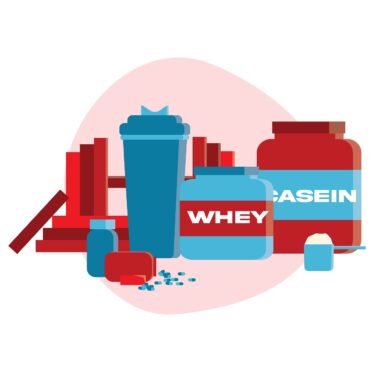
While whole foods should form the basis of any nutrition plan, some athletes may consider incorporating dietary supplements to ensure nutrient adequacy or support specific performance goals. Supplements can include protein powders, creatine, or branched-chain amino acids (BCAAs). Ashwagandha, omega-3 fatty acids, or multivitamins are also popular choices that may enhance overall health and performance. However, it is essential to approach supplementation with caution. Not all products are created equally, and some may contain harmful additives or not deliver on their promises. Consulting a healthcare professional or a registered dietitian is advisable before adding any supplement into your nutrition regimen. These experts can help determine if supplements are needed based on individual goals and dietary preferences. If the decision is made to incorporate supplements, ensure they fit seamlessly into your overall nutrition plan instead of taking their place. A balanced diet should always remain the main focus, using supplements only to fill specific gaps in nutrient intake.
Building a sustainable nutrition plan also requires mindfulness and adaptability. The nutritional landscape is constantly evolving, with new research informing best practices. Athletes must be open to adjusting their plans as their training progresses or as new information becomes available. Factors such as age, training intensity, and body composition can also necessitate changes in dietary strategy. Tracking dietary intake can provide insights into what’s working and what’s not, helping to identify areas that may need attention. For some, using apps to log meals may be beneficial, while others may prefer a journal. Additionally, special events or competitions may require a different approach to nutrition, emphasizing the importance of flexibility in meal planning. Being aware of your body’s responses to different dietary strategies can provide valuable feedback and guide future decisions. Ultimately, a sustainable nutrition plan should be enjoyable and align with the athlete’s lifestyle and personal preferences, allowing for a continuous journey towards peak performance.
Conclusion
In conclusion, creating a sustainable nutrition plan for functional fitness involves a strategic approach that combines meal prepping, hydration, timing, and adaptability. Athletes should prioritize whole, nutrient-dense foods while remaining flexible in their plans. Keeping in mind the body’s unique needs gives athletes the best chance to optimize their nutrition for performance and recovery. Remember that the journey towards improved fitness and health is ongoing; it’s essential to regularly re-evaluate and adjust your strategies. Make it a priority to stay educated on nutrition science and listen to your body’s feedback intimately. By fostering a healthy relationship with food, athletes can make sustainable choices that support their fitness goals without feeling restricted. Nutritional success isn’t solely about the food on your plate; it is a holistic approach that encompasses mindset, education, and commitment to personal health. With a well-structured nutrition plan, athletes can achieve longevity in their sport, improve their overall well-being and enjoy the journey of functional fitness to the fullest.
Ultimately, crafting a sustainable nutrition plan for functional fitness is a personal journey that requires patience and perseverance. It involves embracing change and committing to lifelong learning about food choices, health, and performance. Athletes should celebrate their progress, whether that means improvements in energy levels, physical performance, or overall health. By actively engaging in their nutrition journey, athletes can empower themselves to make informed decisions that have lasting impacts on their lives. Focus on establishing a foundation built on whole, nutrient-dense foods, effective hydration practices, and mindful eating habits. Through commitment, diligent practice, and environmental awareness, athletes can turn their nutritional habits into powerful tools that elevate their functional fitness performance. As they progress, being adaptable will prove essential for navigating new challenges and evolving goals. The road may have ups and downs, but with continuous effort, individuals can expertly rig their strategies to support their health and performance, enjoying all the benefits that come with a tailored nutrition plan.