
Travel Safety Checklist for Fitness Enthusiasts
When traveling, fitness enthusiasts often prioritize their workouts while navigating unfamiliar places. To ensure both safety and fitness goals, a comprehensive travel safety checklist is essential. Before departing, make sure to research your destination, focusing on areas suitable for exercise, including parks and gyms. It is vital to plan your running routes or find nearby facilities for strength training that align with your fitness regime. Consider the importance of local climate as well; pack appropriate workout gear reflecting both comfort and protective capabilities suited for your activities. Don’t forget to check for running tracks, safe bike paths, or hiking routes near your accommodation. Additionally, familiarize yourself with the time zone of your destination and adjust your workout schedule accordingly. Safety measures such as keeping your emergency contact updated and having a plan in case of getting lost or facing any incidents are also crucial. Finally, always listen to your body and take rest days when needed. By preparing thoroughly, you can enjoy your travels while maintaining your fitness effectively.
Stay Safe with Proper Gear
Choosing the right gear is crucial for fitness enthusiasts traveling to new areas. This means selecting shoes that are not only ideal for your planned activities but also suitable for diverse terrains. Invest in quality, lightweight running shoes that provide good support, cushioning, and protection, particularly for unfamiliar trails. Additionally, don’t overlook the importance of clothing; moisture-wicking fabrics can keep you dry and comfortable during exercise. Consider carrying a reflective vest or bright-colored attire, allowing increased visibility, especially if exercising during early mornings or late evenings. Also, pack a versatile yoga mat for workouts, ensuring the ability to perform routines in your hotel room or in natural environments. Safety gear such as a personal alarm or a whistle can enhance your safety when running alone or exploring remote places. A basic first aid kit is also advisable; it should contain band-aids, antiseptic wipes, and pain relief medicine. Lastly, invest in a reliable fitness tracker or device to monitor your heart rate and location. These equipment considerations will contribute to a more enjoyable and safe fitness experience while traveling.
Staying hydrated is crucial for fitness while traveling. Exploring new places often involves extended hours of physical activity, which makes regular hydration essential. In regions with hot climates, or during high-altitude activities, you are more susceptible to dehydration. Always carry a reusable water bottle to maintain hydration, which can be refilled at various locations. Keeping track of your water intake can be instrumental; consider using hydration apps that prompt reminders to drink water. Additionally, be cautious of unfamiliar water sources. In some countries, tap water may not be safe for consumption, so always opt for bottled water or stored products. Travel packs of electrolyte tablets can also be beneficial after intense workouts. They replenish essential minerals lost during activities, ensuring your body stays balanced. If you’re engaging in endurance tasks, consider consuming electrolyte-enhanced beverages to maintain optimal performance. Hence, note the water availability in your destination, especially in remote areas where hydration stations might be limited. Planning allows you to avoid dehydration risks while maintaining your workout intensity.
Nutrition Considerations
Nutrition plays an integral role in maintaining fitness while on the road. Meal preparation is not always feasible, especially when traveling, thus ensuring healthy food choices becomes paramount. Whenever possible, book accommodations with kitchen facilities or consider packing portable items like oatmeal, nuts, and protein bars. Opt for fruits and vegetables as easy snacks; they can provide both energy and essential nutrients. When dining out, make mindful choices by asking for dressings on the side and opting for grilled proteins over fried options. Make sure to check the location of supermarkets or farmer’s markets to find fresh produce. Exploring local cuisines can also enhance your travel experience while allowing you to choose healthier options. Make it a habit to read food labels while on the go to ensure adequate nutrient intake. Nonetheless, sometimes indulging in local delicacies is part of travel enjoyment. Balance is key, allowing yourself occasional treats, but also maintaining a nutritious approach overall. Keeping a food diary can also be helpful in tracking your meals and ensuring they fit your dietary needs during your travels.
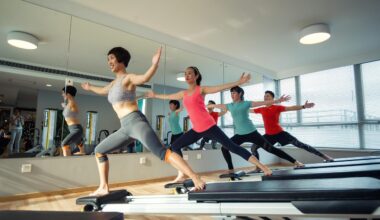
Joining local fitness classes or groups can enhance your travel experience and keep you motivated. Many destinations offer various classes such as yoga on the beach, spin classes at local gyms, or hiking meet-ups you can join. Engage with fellow fitness enthusiasts to learn about their routines and recommendations. Online platforms or apps like Meetup can assist in discovering fitness gatherings. Not only does this provide an excellent opportunity to maintain your physical health, but it also expands your cultural understanding and offers great ways to connect and make friends. Additionally, consider hiring a local personal trainer who can guide you through exercises that are safe and effective for the area. They can aid in identifying potential hazards while exploring trails or outdoor spaces. Working out in groups often boosts motivation and accountability, making it easier to maintain your fitness goals. Create a social media group to connect with others while traveling; sharing experiences and tips can provide encouragement and enhance your journey. Leveraging opportunistic resources enriches both personal wellness and travel adventures.
Embrace Rest and Recovery
Fitness traveling is often filled with exciting activities and exploration, but it can also lead to burnout if proper rest and recovery don’t happen. Always prioritize a balanced approach, allowing time for both intense physical activity and restful recovery periods. Incorporate days dedicated to stretching and relaxation, particularly after strenuous workouts, facilitating your body’s recovery process. Also, explore fitness-related activities that do not require intense exertion, such as leisurely bike rides or easy-going walks in scenic areas. Scheduling restorative practices like massage or yoga sessions can further aid recovery, particularly if they use local wellness centers or spas. Emphasize the importance of sleep in viewing your daily schedule. Without adequate rest, physical activity will suffer; hence consider maintaining a regular sleep routine, adjusting to the new time zone where necessary. Napping can also be beneficial after long periods of exercise or travel. Recovery techniques such as foam rolling or utilizing compression gear can be useful tools in maintaining muscle health while away. Lastly, don’t hesitate to adjust strength training intensity and schedule based on how your body feels to avoid injury.
Returning home after your travels, it’s vital to evaluate your experiences comprehensively. Reflect on the effectiveness of your travel safety checklist and consider adjustments for future trips. Documenting what worked well and what didn’t can contribute to improved planning next time. Assess your fitness achievements versus your expectations—that reflection is key in shaping future goals. Did you complete all planned workouts? Understanding those accomplishments is just as significant as recognizing challenges, ensuring growth in your fitness journey. Keeping a travel journal not only captures memories but also provides insights into maintaining balance during trips. Training logs offer a practical way to monitor workout intensity, allowing adaptations to goals. Moreover, sharing your experiences can enlighten fellow travelers regarding fitness tips. Consider posting on social media platforms or writing a blog that integrates your travel and fitness experiences. This activity can create a supportive community sharing similar interests. Engaging with fellow fitness enthusiasts encourages communal learning, ultimately benefiting a broader audience passionate about fitness and travel. As always remember, traveling is about enjoying new experiences, prioritizing health, and maintaining active lifestyles.