
Postpartum Fitness as a Tool for Stress Reduction
After giving birth, new mothers often face numerous challenges and changes, both physically and emotionally. Engaging in postpartum fitness is a highly effective way to combat stress, allowing mothers to reclaim their mental and physical well-being. By participating in regular exercise, mothers can improve their mood, enhance their self-esteem, and develop a stronger sense of control over their bodies. These benefits are crucial during the postpartum period, when hormonal fluctuations and lifestyle changes can lead to feelings of anxiety or depression. Mothers may initially struggle with implementing a workout routine, especially when dealing with sleepless nights and adjusting to a new baby. The key is to start slowly, perhaps with gentle exercises like walking or yoga, which can be easily incorporated into daily life. Over time, as they rebuild their strength, mothers can progress to more intense workouts. Importantly, postpartum fitness also creates opportunities for social interaction with other mothers, whether through group classes or programs designed specifically for new parents. This support network is invaluable as it fosters connection and encouragement during this transformative stage of life.
Postpartum fitness not only enhances physical health but also significantly contributes to mental well-being. Engaging in regular exercise leads to the release of endorphins, often referred to as “feel-good” hormones. These hormones play a vital role in elevating mood and alleviating feelings of stress. Additionally, workouts can create a sense of accomplishment, which is particularly important for new mothers who may feel overwhelmed by their responsibilities. Aim for activities that cater to personal preferences and comfort levels, such as swimming, dancing, or strength training. Participating in classes specifically tailored for postpartum recovery provides structure and a better understanding of how to approach fitness safely. A variety of workouts can spice up the routine and keep motivation levels high. Moreover, establishing a regular fitness routine can improve energy levels, which may otherwise be depleted by sleepless nights and the demands of caring for a newborn. It’s essential to listen to the body and allow sufficient time for recovery. Updating fitness goals can inspire mothers to stay committed while juggling their responsibilities, making physical health a tangible and achievable priority.
Setting Realistic Goals
For postpartum fitness to be beneficial, it’s crucial to set realistic and attainable goals. Understanding that the body has undergone significant changes during pregnancy and childbirth can help mothers adjust their expectations. Instead of striving for rapid weight loss or returning to pre-pregnancy fitness levels overnight, focus on gradual progress. Setting small, achievable goals fosters a sense of accomplishment. For example, aim to walk a certain distance or complete a set number of exercises each week. This approach keeps motivation high and avoids feelings of frustration or disappointment. Additionally, incorporating flexibility into workout plans allows for adjustments based on individual circumstances, such as sleep patterns or the baby’s schedule. Consistency is vital, but also ensure to prioritize self-compassion. Recognize that some days will present more challenges than others; understanding this can ease the pressure and maintain long-term commitment. Also, allow room for adjustments, scaling workouts as strength improves over time. This balance can create a sustainable fitness journey that aligns with both personal aspirations and motherhood responsibilities.
A strong support system plays a critical role in postpartum fitness. Engaging with other mothers motivates individuals to stick with their fitness goals and fosters camaraderie among peers who share similar experiences. Many women find that joining community exercise classes or online mom groups provides a sense of belonging and accountability. These social interactions can significantly reduce feelings of isolation that often accompany motherhood. Additionally, involving family members can enhance the experience, as partners can share responsibilities, allowing mothers to carve out time for physical activities. Be sure to communicate needs and expectations effectively to achieve balance within the family dynamic. Scheduling exercise as part of the day can also help establish a routine that everyone can incorporate. Moreover, seeking advice and sharing experiences with fellow mothers can lead to discovering new exercises and fitness techniques beneficial for postpartum recovery. Consider establishing regular workout dates with friends or family members to maintain motivation. Overall, building a network extends beyond physical fitness, as emotional support is indispensable during this transformative period, reinforcing the importance of community and shared experiences.
Incorporating Mindfulness
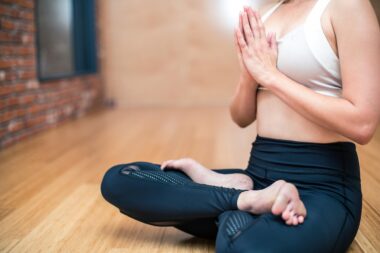
Meditation and mindfulness practices are excellent additions to a postpartum fitness routine. These practices promote mental clarity and help manage stress, which can alleviate common postpartum challenges such as anxiety or mood swings. By dedicating time for mindfulness, new mothers can cultivate self-awareness, leading to better emotional regulation. Techniques such as deep breathing, visualizations, or guided meditations can provide effective tools for managing stress and anxiety. Establish a consistent practice, perhaps integrating mindfulness with physical exercises through yoga or tai chi, which emphasizes the connection between body and mind. Furthermore, using mindfulness in daily activities improves focus and awareness over time, creating a deeper sense of presence with oneself and one’s baby. When mothers are mindful, they are better equipped to respond to their emotions and circumstances, paving the way for increased overall well-being. Small portions of mindfulness can also be integrated into family life; moments of gratitude teach mothers to appreciate the journey, even with its challenges. Together, mindfulness and fitness create a holistic approach to wellness, significantly aiding postpartum recovery and experiences.
As postpartum fitness incorporates varied physical activities, nutrition should also be considered. A balanced diet supports recovery and maintains energy levels while exercising. Focus on whole foods like fruits, vegetables, lean proteins, and whole grains, as they provide essential nutrients that benefit overall health. Proper nutrition is especially important for breastfeeding mothers, who require additional calories and nutrients to nourish both themselves and their babies. Staying hydrated is equally crucial, so ensure adequate water intake throughout the day. Developing healthy eating habits can also foster an improved relationship with food, which can be empowering for new mothers. Meal prepping or learning how to cook nutritious meals can provide valuable skills that enhance family well-being. Involving family members in meal preparation not only fosters connection but also promotes healthy choices. Additionally, consider consulting a nutritionist specializing in postpartum health to create personalized dietary plans. Nutrition combined with exercise works synergistically to improve energy levels, mood, and overall health, ensuring mothers feel their best as they navigate the joyful challenges of motherhood.
Long-Term Benefits of Postpartum Fitness
Engaging in postpartum fitness not only benefits new mothers immediately but also has long-term positive effects on health and well-being. Establishing a dedicated fitness routine sets the foundation for a healthier lifestyle, which is vital as families grow. The habits cultivated during the postpartum period can instill a mindset geared towards self-care, influencing future generations as well. Children often emulate their parents’ behaviors and attitudes, so demonstrating the importance of physical activity and mental health can foster lifelong healthy habits in kids. A consistent fitness regimen may also prevent chronic conditions, such as obesity, diabetes, or heart disease, by promoting healthy weight management and cardiovascular health. In addition, participating in fitness activities frequently can lead to increased confidence and resilience, which are essential attributes in motherhood. Finally, embracing fitness as a lifestyle creates lasting memories, as families share experiences through physical activities together. From playing at the park to hiking, the shared moments bond families while improving individual health and well-being. Overall, embracing postpartum fitness empowers mothers, transforming their postpartum journey into one of strength, resilience, and joy.
In conclusion, prioritizing postpartum fitness is an invaluable strategy for stress reduction and overall well-being. Committing to a regular exercise routine, fostering social connections, and embracing mindfulness not only empower mothers during their postpartum recovery but also create positive lifestyle habits for the future. While the challenges of motherhood can feel overwhelming, incorporating fitness into their routines can provide a sense of control and accomplishment, significantly alleviating stress. Each aspect of postpartum fitness, from physical activity to nutrition and mental well-being, contributes to a holistic approach that nurtures both mothers and babies alike. Encouragement, support, and realistic expectations form the bedrock of this journey, allowing mothers to celebrate progress instead of succumbing to pressures or disappointments. As they navigate this transformative experience, mothers must remind themselves to prioritize their health, creating harmony within their lives. Continue exploring fitness options that suit their lifestyles while staying adaptable to changes and providing joy rather than stress. By embracing postpartum fitness, women can rediscover their strength, nurturing themselves and their families toward a bright and healthy future.