
The Impact of Urban Gardening on Air Quality and Personal Health
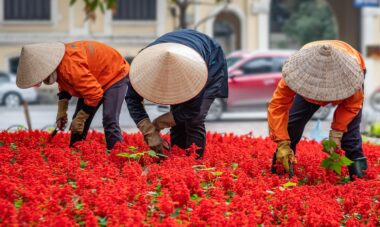
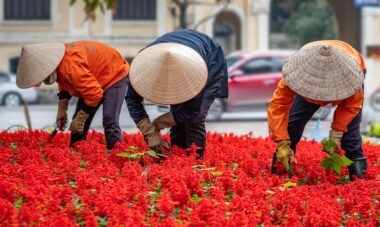
Urban gardening has become an increasingly popular trend in cities worldwide, serving not only as a hobby but also as a means to improve air quality and personal health. By creating green spaces, urban gardens contribute to the reduction of air pollutants, such as carbon dioxide and particulate matter. Plants absorb harmful gases and release oxygen, boosting the overall well-being of city dwellers. Obviously, the benefits of urban gardening extend beyond the environment; they have profound implications for personal physical health. Engaging in gardening activities fosters physical activity, which is essential for maintaining a healthy lifestyle. Studies have shown that spending time in nature reduces stress and promotes mental well-being. This connection between gardening and mental health is particularly crucial in urban landscapes, where people may experience higher stress levels due to fast-paced living. Furthermore, urban gardening encourages social interaction and community building, creating bonds among residents. Community gardens initiate conversations, foster friendships, and build a sense of belonging. However, it’s imperative to understand the challenges faced in urban gardening, as these factors can impact the sustainability and effectiveness of such initiatives.
The Role of Urban Gardens in Air Quality Improvement
Urban gardens play a critical role in enhancing air quality within densely populated areas. They act as carbon sinks, absorbing atmospheric carbon dioxide, and in turn, release oxygen, benefiting city inhabitants. Through natural processes, plants trap airborne pollutants, which improves the air we breathe. This can lead to a healthier urban environment, reducing respiratory issues among residents. Additionally, urban gardens can mitigate the urban heat island effect by providing shade and releasing moisture through transpiration. This cooling effect not only makes the city more comfortable but also reduces the energy needed for cooling buildings. Furthermore, the greenery from gardens acts as a buffer against noise pollution, creating a more peaceful environment for urban residents. Studies indicate that the presence of greenery improves the overall well-being of city dwellers, leading to increased productivity and reduced healthcare costs. Engaging in community gardening initiatives also encourages educational opportunities, teaching individuals about sustainability and environmental stewardship. These efforts can empower citizens to become more active in their communities while cultivating life skills such as teamwork, patience, and responsibility, which are essential for personal development.
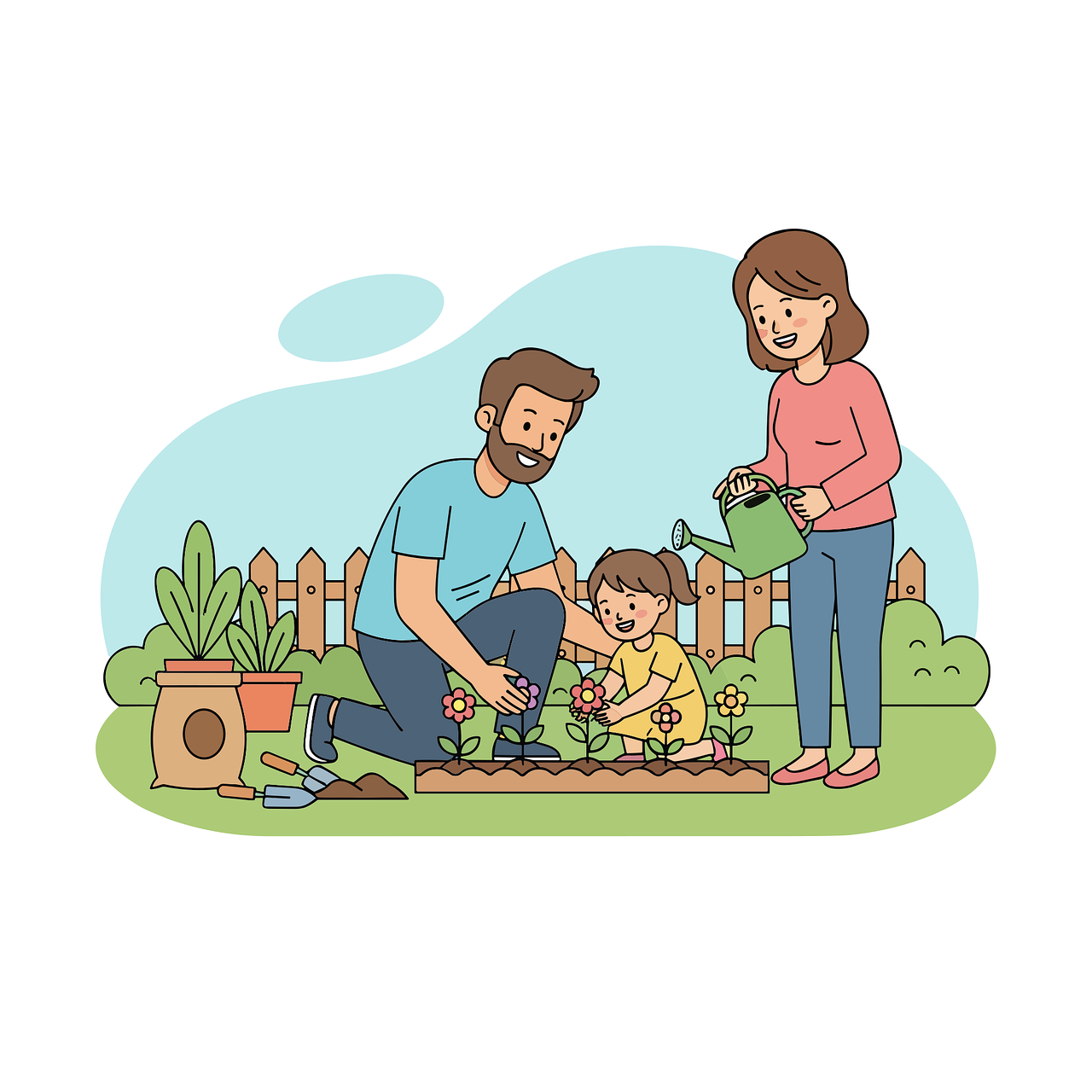
The health benefits associated with urban gardening extend well beyond the immediate physical advantages. Engaging in gardening activities has been shown to alleviate symptoms of anxiety and depression, often prevalent in fast-paced urban settings. Spending time in green spaces and nurturing plants provides therapeutic benefits, significantly improving emotional well-being. As individuals connect with nature, they develop mindfulness and stress-relief techniques, which are essential for coping with daily life challenges. Additionally, involvement in urban gardening leads to healthier dietary habits. Growing fruits and vegetables encourages individuals to consume more fresh produce, contributing to better nutrition overall. Gardening can serve as an educational experience, teaching both children and adults about the importance of sustainable food practices and healthy eating. The enjoyment and satisfaction stemming from cultivating one’s own food can inspire more people to incorporate healthy choices into their diets. Moreover, urban gardens provide an outlet for creativity and self-expression through landscaping and design. These elements collectively contribute to increased happiness and life satisfaction among gardeners. Thus, urban gardening nurtures not only the body but also the mind, establishing a holistic approach to health.
Community Development Through Urban Gardening
Urban gardening serves as a catalyst for community development. By bringing together residents in a shared space, these gardens help to build relationships and foster cooperation among diverse groups. Communities with active gardening projects often witness a transformation in social dynamics, as neighbors collaborate on cultivating and maintaining garden plots. These interactions encourage civic engagement and strengthen community ties, creating a sense of belonging among participants. Furthermore, urban gardens can stimulate local economies by providing fresh produce that can be sold at farmers’ markets or local food co-ops. This income can benefit families while supporting the local agricultural economy. Additionally, urban gardening can play a role in addressing food insecurity in city environments. These gardens provide access to fresh, healthy food options for communities that may lack nearby grocery stores. The produce harvested from these initiatives can significantly enhance the nutritional quality available to residents. Importantly, urban gardens can also serve as educational hubs, teaching sustainable farming practices and promoting environmental awareness among community members. By empowering locals with knowledge about food production and sustainability, urban gardens contribute to a more resilient urban ecosystem.
Despite the numerous benefits of urban gardening, there are notable challenges that practitioners must navigate. Limited space in urban environments can make it difficult to establish gardens, as many cities lack available land. Additionally, regulatory hurdles may impede the development of community gardens, as zoning laws can restrict land-use changes. Gardeners often face issues relating to soil contamination and pesticide exposure, raising concerns about food safety and environmental health. Urban gardeners must also be wary of the climatic variability that can impact plant growth and productivity. Adverse weather conditions, such as heavy rains or prolonged droughts, can significantly affect yield and sustainability. Furthermore, securing funding and resources for urban gardening initiatives can be challenging. Many community gardens rely on grants or donations, and competition for funding can leave some projects struggling. Maintaining community involvement and engagement is another critical factor in sustaining gardening projects. It is essential to involve participants in decision-making processes and to provide ongoing education and support for volunteers. By addressing these challenges, urban gardening initiatives can maximize their potential to positively influence both air quality and personal health in urban areas.
The Connection Between Urban Gardening and Biodiversity
Another significant impact of urban gardening is its positive effect on biodiversity in urban settings. These gardens provide habitats for various species, including pollinators like bees and butterflies, that are essential for ecosystem health. The introduction of diverse plant species in urban gardens contributes to a richer urban ecology, promoting a balanced environment. Urban gardens can also serve as stepping stones for wildlife, allowing animals to navigate through city landscapes. Recognizing the importance of biodiversity fosters a commitment to conservation efforts among garden participants. As community members engage with their gardens, they can develop a deeper appreciation for local flora and fauna, leading to enhanced stewardship of natural resources. Additionally, urban gardens can reduce stormwater runoff, improving local water quality and promoting healthy waterways. By absorbing rainfall, gardens help diminish erosion and pollution in urban areas. The integration of native plants into urban gardening practices can further optimize these benefits by supporting local insect populations and resisting pests without relying on harmful chemicals. Emphasizing biodiversity in urban gardening not only enhances the ecosystem’s resilience but also contributes to creating a healthier environment for all urban residents.
Overall, urban gardening represents a vital intersection between environmental sustainability and personal health. By providing urban dwellers with green spaces, these gardens offer essential benefits that positively impact both physical and mental health. As cities become more congested and ecological challenges arise, urban gardening presents feasible solutions to enhance air quality and promote community well-being. Therefore, municipalities should strive to support local gardening initiatives through policy changes and resource allocation. Ensuring communities have access to green spaces will be fundamental to improving urban living standards. Offering grants, tax incentives, and promoting urban gardening education can help stimulate interest and growth in these beneficial programs. Individuals can also contribute by volunteering at local gardens or starting their own small gardens at home. Building awareness about the importance of urban gardening is crucial to foster more sustainable habits and enhance community resilience. Furthermore, collaboration among various stakeholders, including local governments, environmental organizations, and residents, can promote successful gardening initiatives. Together, we can cultivate thriving urban environments that support healthy lives and a stable ecosystem.
In conclusion, urban gardening undeniably impacts both air quality and personal health, fostering a holistic approach to urban living. As we strive for healthier cities, it is important to recognize the multiple benefits of green spaces and gardens. Urban gardening enhances air quality by mitigating pollutants and increasing oxygen levels, improving the overall health of urban residents. Moreover, it serves as an effective stress-relieving activity while encouraging physical fitness and healthy eating habits. The community-building nature of gardening fosters social connections and encourages local interaction, creating a vibrant urban culture. The importance of biodiversity and environmental stewardship must not be overlooked in these gardening practices, as they contribute to healthier ecosystems. Urban gardening initiatives offer immense potential for empowering communities and addressing issues such as food security and public health. By removing barriers to gardening and supporting local projects, municipalities can promote greener and healthier urban environments. Engaging the community fosters environmental awareness that generates long-term benefits for generations to come. Therefore, embracing urban gardening is a vital step towards building sustainable, healthy, and connected urban communities.