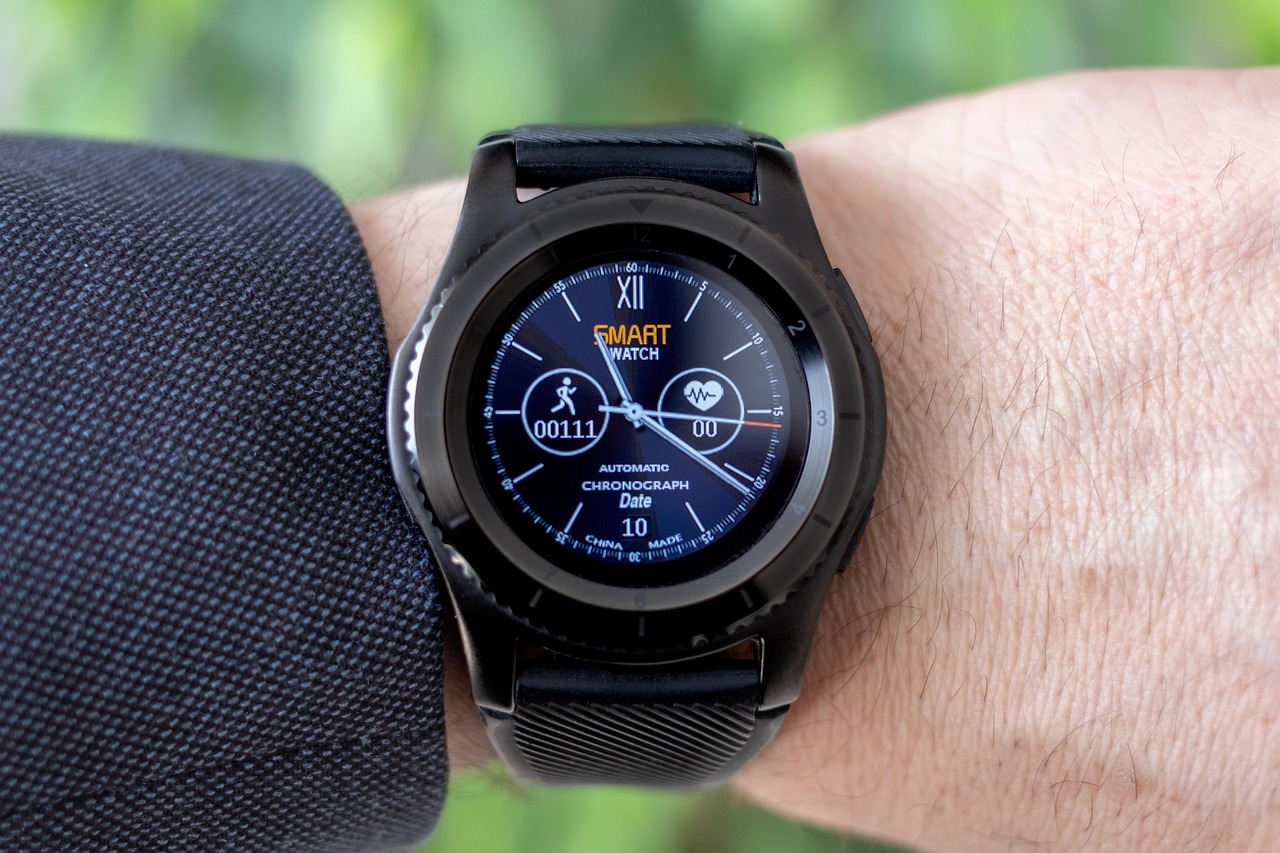

How Heart Rate Monitors Improve Your Workout Efficiency
Heart rate monitors are essential tools for fitness enthusiasts looking to boost their performance and maximize workout efficiency. These devices provide real-time feedback about your heart rate, allowing you to adjust your activities based on your personal fitness goals. By monitoring your heart rate, you can stay within your target heart rate zones, which are crucial for optimizing calorie burn and enhancing cardiovascular fitness. With features such as customizable alerts and tracking capabilities, heart rate monitors help you ensure you are exercising within the right intensity levels. This tailored approach helps prevent the risks of overtraining or under-training, both of which can affect overall progress. Furthermore, heart rate monitors often integrate seamlessly with other fitness gadgets, creating a more comprehensive health monitoring system. These advancements in technology empower users to have a clearer understanding of their bodies while exercising. As you dive deeper into your fitness journey, utilizing a heart rate monitor will enable you to achieve your desired outcomes more effectively. In addition to keeping your workouts safe and effective, they can inspire motivation and dedication in every training session.
Employing a heart rate monitor provides various advantages, especially for athletes and casual gym-goers. Tracking your heart rate enables you to measure how hard your body is working during your workout sessions. Combining this data with your unique fitness goals can dramatically improve your overall workout results. Modern heart rate monitors offer valuable insights, such as Average Heart Rate, Maximum Heart Rate, and Recovery Heart Rate, which help you analyze your performance post-exercise. Knowing whether you are staying in the proper heart rate zone can significantly impact your training regimen. For instance, the fat-burning zone typically lies between 60-70% of your maximum heart rate, while the aerobic zone hovers around 70-80%. By staying within these specific ranges, you ensure you are maximizing your calorie burn while efficiently building endurance. The right monitor can help you achieve these goals effectively. Additionally, many heart rate monitors come with apps that allow users to revisit their workout statistics, encouraging better planning for future sessions. Ultimately, this data-driven approach can lead to consistent improvements and gains over time, making heart rate monitors a vital asset in any fitness toolkit.
Another significant advantage of heart rate monitors is their role in injury prevention. By keeping a close eye on your heart rate, you can identify signs of fatigue or overexertion early on. When your heart rate exceeds recommended zones or remains elevated for too long after exercise, it might be an indication that your body requires more recovery time. This can help prevent burnout and injuries caused by excessive strain on your cardiovascular system. Moreover, wearable devices equipped with heart rate monitors often include features to guide users through proper warm-up and cool-down procedures to help maintain overall well-being. Using this data allows for more informed decisions regarding workout intensity, duration, and frequency. Furthermore, understanding your exertion levels can help you optimize your rest days and training cycles for better performance. With technologies continuously evolving, users can now access more sophisticated monitors that provide detailed heart rate patterns and insights. These features assist both beginners and seasoned athletes alike in fine-tuning their workouts to address specific needs and goals. By being proactive about injury prevention, fitness enthusiasts can maintain consistency while progressing towards their fitness aspirations.
Enhanced Motivation and Accountability
Heart rate monitors also serve an excellent purpose in cultivating motivation and accountability. Many devices feature goal-setting capabilities that allow users to establish personal fitness objectives based on desired heart rate zones. As you work towards these goals, the immediate feedback from your monitor pushes you to perform better and stick to your training plans. Notable advancements in heart rate monitor technology make fitness more interactive, with competitive features and social sharing options encouraging users to challenge themselves. For example, some monitors come with integrated platforms that allow users to share their workout statistics with friends or compete in virtual races, fostering a sense of community in fitness. This accountability often translates into better adherence to workout programs and healthier lifestyle choices overall. Further, tracking progress over time can instill a sense of achievement, as seeing improvements can motivate individuals to push harder. Additionally, the combination of engaging visuals and real-time feedback helps keep workouts fresh and exciting, aiding in long-term commitment to fitness goals. Creating this motivational environment can transform one’s approach to exercise, leading to a more fulfilling fitness experience.
When selecting a heart rate monitor, there are several factors to consider to ensure you find the best fit for your needs. A vital aspect is the accuracy of the device, as some models perform better than others. Look for monitors that have been tested and proven to provide reliable readings across various activities, such as running or cycling. Comfort and usability are also essential; choosing a monitor that feels comfortable during workouts will encourage you to wear it regularly. Additionally, explore the device’s connectivity options, as compatibility with your smartphone or other fitness gadgets can enhance its overall functionality. Many modern heart rate monitors come equipped with Bluetooth capabilities, allowing for seamless data transfer and synchronization with fitness apps. Battery life and durability should also be taken into account, ensuring that you have a reliable device for long sessions without interruptions. Some users prefer wrist-based monitors for ease of use, while others opt for chest straps, which can offer greater accuracy. Ultimately, the right heart rate monitor can be a game-changer in achieving your fitness goals, making thorough research and consideration crucial before committing to a purchase.
Long-term Health Benefits
Your heart health is one of the greatest long-term benefits associated with regular exercise, and heart rate monitors play an important role in achieving this. Tracking your heart rate can guide you in maintaining a healthy cardiovascular system and reduce risks associated with heart disease. By understanding your individual heart rate patterns and recognizing what constitutes your target zones, you’ll be better equipped to approach your fitness routine with intention. Establishing a consistent workout schedule utilizing your heart rate monitor ensures that you engage your heart effectively without excessive strain. This focused approach can enhance your cardiovascular endurance and general heart health over time. Furthermore, sustained physical activity positively influences other aspects of health, such as mental well-being and weight management. Regular use of a heart rate monitor can motivate you to incorporate cardiovascular exercises, which are proven to help control hypertension, cholesterol levels, and blood glucose levels. Research indicates that maintaining a stable heart rate during workouts is linked to lower mortality rates. By investing in a heart rate monitor, you’re taking a proactive step toward enhancing not only your physical fitness but also your overall health for the long run.
Lastly, heart rate monitors can significantly aid in the recovery process after workouts. Recovery plays a vital role in any fitness program, as it directly impacts performance and overall progress. After an intense workout, monitoring your heart rate can help you determine how quickly your heart returns to its resting state, known as heart rate recovery. This measure is crucial because a faster recovery rate is often indicative of a well-conditioned cardiovascular system. By knowing your recovery benchmarks, you can assess whether your training intensity is appropriate or if adjustments are needed. Additionally, heart rate monitors can signal when it’s time for an active recovery session, ensuring that you’re giving your body the best chance to repair. Many monitors also provide features that guide users through post-exercise stretching and relaxation techniques, further enhancing the recovery process. As you incorporate heart rate monitoring into your regimen, you’ll develop a more holistic approach to fitness, focusing on both performance and recovery. This balance is essential for long-term success and helps ensure that you remain motivated and engaged in your fitness journey.
Overall, heart rate monitors represent a powerful combination of technology and fitness. They empower individuals to take control of their health by providing real-time insights, promoting accountability, and fostering motivation throughout their fitness journeys. With the advantages of optimizing workout efficiency, preventing injury, and supporting recovery, these devices have become invaluable assets in any fitness enthusiast’s toolkit. By carefully selecting the right heart rate monitor that suits your needs, you can unlock the potential of your workouts and see significant improvements over time. As the fitness landscape continues to evolve, heart rate monitors will likely maintain their relevance, paving the way for individuals to pursue healthier lifestyles confidently. Embrace the technology available, use it to better understand your body, and watch your productivity flourish as a result. Each workout will become an opportunity for growth as you tailor your training to your personal heart rate data. Ultimately, investing in a heart rate monitor is a step toward a smarter and more effective emphasis on your fitness journey, resulting in achieving greater health and well-being.