
The Impact of Cycling Position on Endurance Performance
Cycling endurance is a critical component for competitive cyclists and recreational riders alike. It involves sustained efforts over extended durations, demanding not only physical strength but also mental perseverance. One essential yet often overlooked factor affecting cycling endurance is the position of the cyclist. The cycling position affects aerodynamics, muscle fatigue, and overall efficiency. This article will explore how different positions influence performance metrics such as power output, heart rate, and perceived exertion. Understanding these impacts can create tailored cycling programs that maximize endurance. Cyclists often experiment with their positions to find a balance between comfort and speed, each having unique advantages and disadvantages. Incorporating scientific principles surrounding body mechanics can further push boundaries. Gradually adjusting seating height, handlebar elevation, and even pedal technique can bring improved performance. This exploration aims at providing cyclists insight into optimizing their cycling position for enhanced endurance, ensuring training sessions yield the best results. By carefully considering these elements, cyclists can experience remarkable changes in their performance during long rides and competitions.
One of the most identifiable positions in cycling is the time trial position. This position emphasizes aerodynamics, reducing air resistance significantly compared to an upright stance. Cyclists adopting this method often lean forward, showcasing a compact form. While this position improves speed potential, it can also lead to significant discomfort, particularly in the lower back, neck, and shoulders if maintained for long durations. To prevent negative impacts on endurance performance, it is crucial for cyclists to condition their bodies through focused training. Additionally, muscle fatigue can be accelerated due to increased strain in this position. Therefore, strategic training programs must integrate this typing of position for sessions designed to boost endurance. Cyclists can gradually adapt by incorporating workouts that allow for longer periods in the aero position, ultimately blending comfort with performance gains. Monitoring heart rate and other metrics becomes essential during this evolution, providing feedback regarding endurance levels. Advanced cyclists may find that regularly practicing this position enhances their overall efficiency in endurance events while managing discomfort effectively.
Exploring the Upright Position
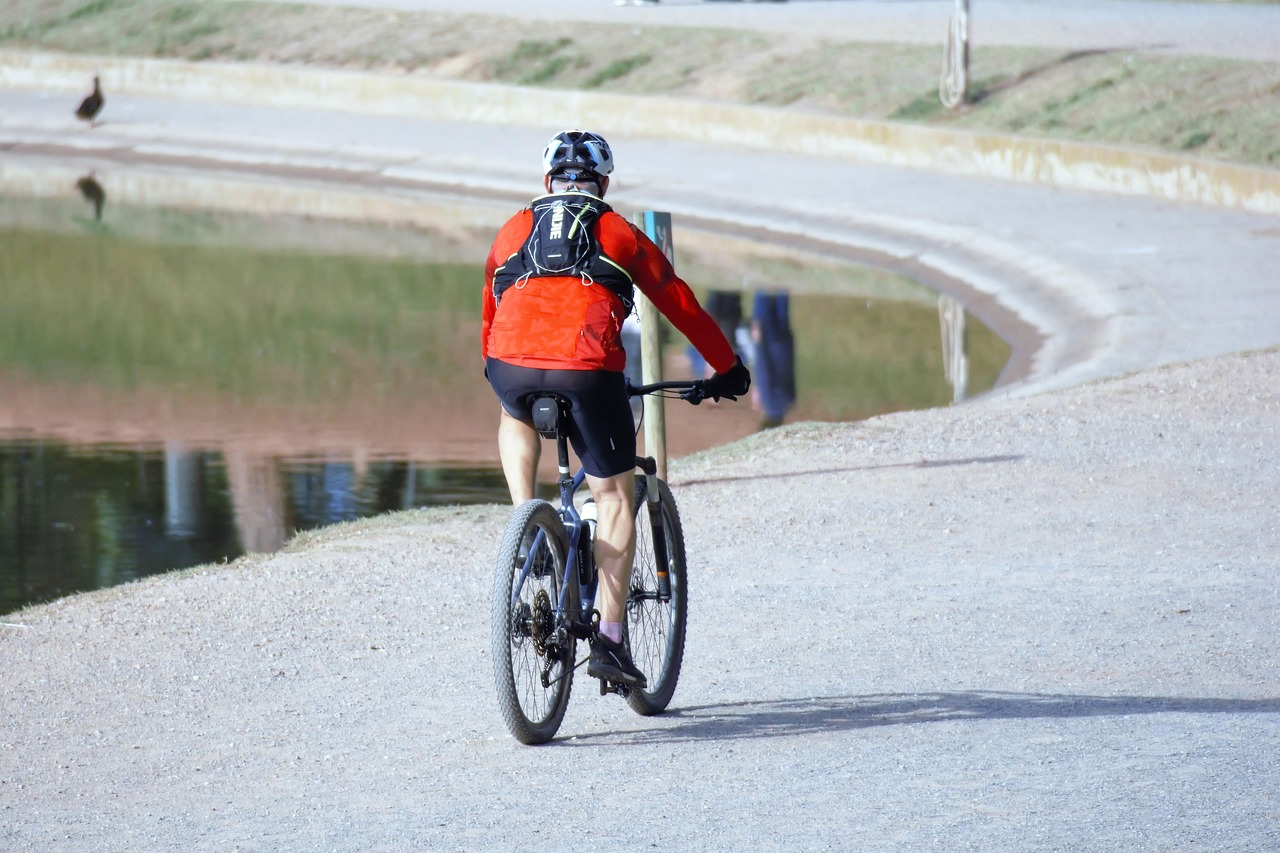
Conversely, the upright cycling position is widely regarded for its comfort and stability. Many cyclists prefer this position, especially on leisure rides or during extended sessions. Its mechanics engage a different muscle group, ensuring a well-rounded training approach. Cyclists benefit from a greater power output, particularly during climbs or sprints, due to stable body weight distribution. However, this position can increase frontal drag, which might affect speed and endurance in competitive scenarios. Finding a balance between speed and comfort is essential for athletes. By openly experimenting with various configurations, they can discover what works best for them. Another notable aspect is how this position supports recovery during rides, while allowing sustained efforts without excessive fatigue. Cyclists may also benefit from valuable breathing mechanics by sitting upright, thus better oxygen flow during long training sessions. Ultimately, each rider’s choice of position can play a decisive role in their cycling endurance journey. Dedicated testing and analysis can illuminate when to shift between positions based on terrain, personal preference, and fitness levels. Emphasis on personal comfort leads to significant results.
Another lesser-discussed but equally important cycling position includes the semi-aero position. This particular position serves as a hybrid, balancing aerodynamics with comfort. It may not provide the same level of speed as pure aero configurations but allows for considerable endurance performance capabilities. Cyclists can maintain a forward lean without excessively compromising upper body relaxation, which helps reduce muscle strain. This position often emerges as a practical choice for long rides, where alternating dynamic positions throughout the route becomes beneficial. Enabling tailored adjustments facilitates improved power generation while lowering fatigue onset. Cyclists performing at high endurance capacities can utilize this position for their advantage. Incorporating this into their training program may foster adaptability, allowing them to maneuver through different challenges they face on the road. Experimentation with grip, saddle height, and core engagement becomes essential for maximizing benefits. A smooth transition among various postures during extended rides may result in enhanced performance metrics. Monitoring individual responses through a structured program can yield improvements quantifying running performance effectively.
General Tips for Optimizing Cycling Position
To optimize cycling positions effectively for endurance, practical components like proper bike fitting play a substantial role. A professional bike fit ensures optimal dimensions align with the individual’s physical structure. This fundamental process reduces injury risks while enhancing comfort during prolonged sessions. Further considerations include saddle positioning, pedal stroke efficiency, and upper body ergonomics. Each detail contributes to maximizing performance levels. Additionally, investing in quality cycling gear that composes bike and apparel can significantly impact comfort and efficiency. Innovative pro designs can limit aerodynamic drag while ensuring proper ventilation during extended rides. Pay attention to core strength and flexibility; they are critical within each cycling position. Rigid muscles in the back or thighs can lead to strained movements that diminish endurance potential. Incorporating flexibility training can facilitate prolonged comfort while riding. Adapting food intake and hydration must also align with varying positions, as these factors dramatically impact performance sustainability. Maintaining energy levels throughout long rides is crucial where aerodynamics may drastically affect it. Cycling positions may even shift with external variables like incline or weather conditions.
Aside from understanding positional effects, it’s essential to note that mental endurance can influence overall performance. Cyclists often face fatigue where motivation plays a crucial role in extending efforts over time. Recognizing mental triggers that enhance focus and determination can change the game for endurance riders. Engaging in positive self-talk or mental imagery can assist in overcoming physical challenges. Visualization techniques that include positioning and executing each stroke effectively can create stronger performance outcomes. Mental endurance equals physical endurance; hence, the two combined can significantly uplift a cyclist’s capabilities during longer events. Retaining a positive mindset, especially in adversity, enables cyclists to push through barriers. Setting realistic goals, both short and long-term, can support motivation maintenance. Utilizing motivational music or surrounding oneself with supportive peers during training can also be effective. The collective impact of both physical and mental preparedness ultimately shapes endurance performance, making awareness crucial. By balancing positions with mental strategies, riders can unlock their potential and pursue new performance limits. Exploring this holistic approach molds both body and mind into efficient cycling machines.
Conclusion on Cycling Position and Endurance
The impact of cycling position on endurance performance is clear and multifaceted. As discussed, different cycling stances hold unique benefits alongside challenges to consider. The secret lies in embracing this variability, allowing for strategic adjustments during training. Cyclists should continuously evaluate their chosen positions, focusing on comfort and performance. Paying attention to how each posture influences fatigue levels can lead to effective strategies in endurance cycling. Understanding one’s body mechanics when transitioning between positions will enable successful adaptations. With the appropriate tools, training, and mental approaches, cyclists can master their positions while achieving remarkable performance gains. Surveys or journal logs dedicated to positional adjustments, fatigue patterns, and training responses can provide insights to enhance optimization processes. As endurance sessions progress, riders can pinpoint the exact timing for varying their approaches, maximizing every riding opportunity. Adapting to conditions and embracing flexibility in cycled constructions can pivot endurance outcomes. Recognizing the importance of interchangeability within cycling positions offers personalized pathways to improvement, ultimately paving the way for enhanced endurance triumphs.
By keeping these insights in mind, cyclists can embark on a journey of exploration, reaping significant performance results. Endurance cycling is not merely physical but encompasses tactical approaches through proper positioning. Acknowledging these dynamics will ensure riders continuously grow their skills while boosting stamina. Overall, the road to becoming a proficient long-distance cyclist is intricate but achievable with dedicated effort towards positional mastery.