
Comparing Eastern vs. Western Martial Arts Competition Styles
Martial arts competitions showcase the talents and skills developed through rigorous training. In Eastern martial arts, disciplines like Kung Fu, Karate, and Taekwondo focus on techniques derived from ancient traditions and philosophies. Competitors in these styles often exemplify grace, precision, and deep-rooted techniques that incorporate movement, timing, and strategy. The competitions emphasize forms (katas), sparring, and, sometimes, breaking techniques. Judges evaluate the competitors based on technique, power, speed, and control, contributing to a more holistic view of martial arts. The cultural heritage plays a vital role, as many Eastern styles have deep connections with spirituality and discipline. Performance at these competitions often requires not just physical skill but also a respectful and disciplined mindset, reflecting the martial arts’ historical context. This combination of body and spirit is an essential aspect of the Eastern martial arts competition, establishing a foundation for personal growth beyond mere physical achievement. Understanding these elements gives competitors a comprehensive perspective on their art.
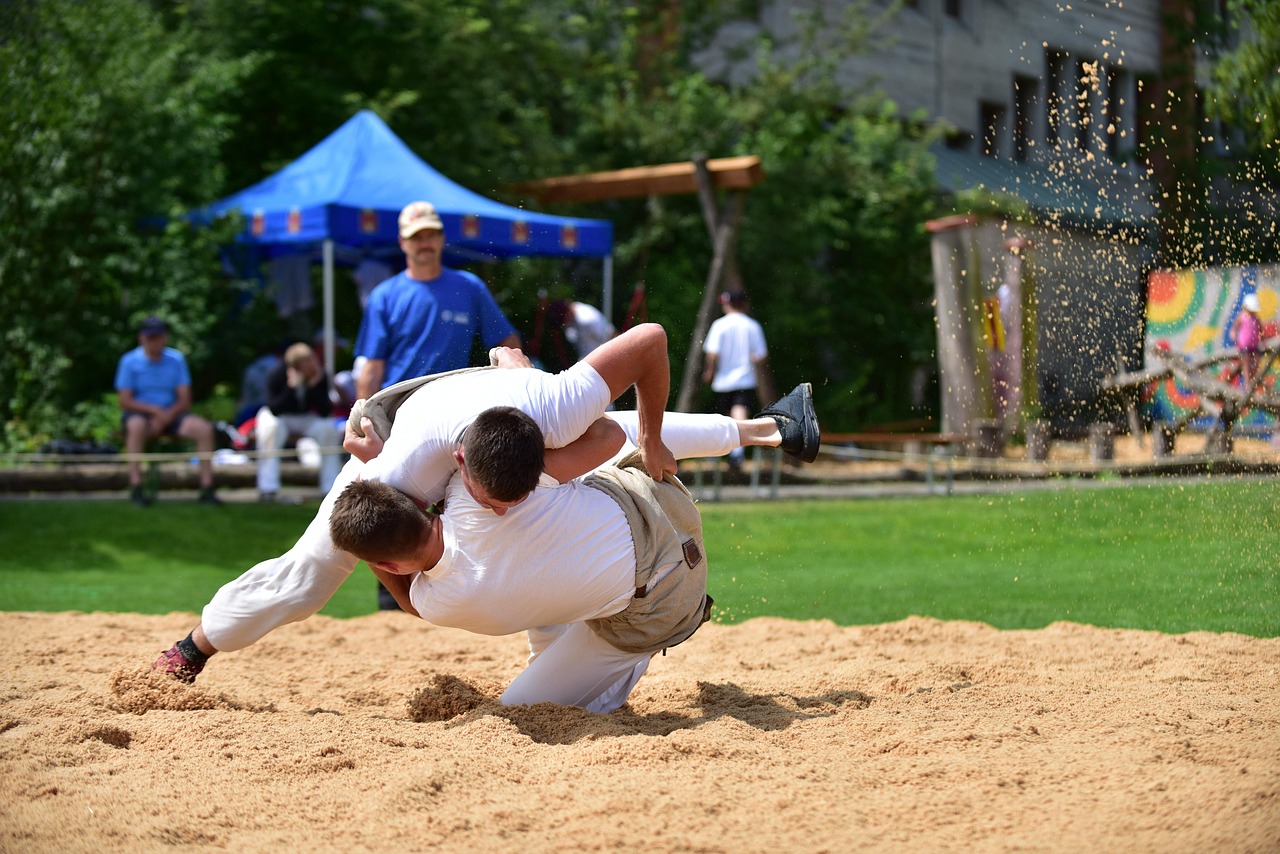
In contrast, Western martial arts, including styles like Boxing, Wrestling, and Brazilian Jiu-Jitsu, focus heavily on combat efficiency and practical applications. Competitions in these styles prioritize direct engagement and often appear more aggressive and competitive, aiming for definitive victories. Points are primarily awarded based on effective striking, grappling, and overall strategy. Unlike Eastern styles, the focus on performance art is less significant, and practitioners are encouraged to leverage their physical strength and conditioning during matches. In Boxing, for instance, agility, footwork, and quick reflexes are paramount, emphasizing rapid strikes to secure wins. These competitions usually have clear, straightforward rules and tap into a spectator’s desire for excitement. The raw nature of these encounters tends to draw audiences into a more palpable atmosphere of competition. The culture surrounding Western martial arts focuses more on an athletic approach than a philosophical perspective, presenting martial arts as a sport. Therefore, the practitioners often reap benefits, such as improved fitness, confidence, and social connections.
Cultural Influences on Competition Styles
The cultural frameworks underpinning martial arts significantly shape their competitive styles. Eastern martial arts often emerge from historical frameworks, encompassing philosophies that extend beyond mere fighting. For example, disciplines like Aikido or Tai Chi emphasize harmony, fluidity, and self-awareness, which greatly influence their competition structures. Such arts encourage practitioners to merge mental awareness with physical action, leading to a calm and measured approach during competitions. The emphasis on respect and humility in Western martial arts allows athletes to develop not just skills but also values of perseverance and integrity. Simultaneously, the Western perspective often sees martial arts therein as primarily competitive sports. Despite being deeply influenced by history, these martial styles have adapted to contemporary society’s sports culture, focusing on win-loss records and personal achievements. Consequently, while Eastern martial arts cultivate a more introspective atmosphere, Western martial arts highlight a fierce competitive spirit. This distinction illustrates how culture can transform the essence of competition, affecting how practitioners view their journey and the purpose behind their practice.
Training methodologies also diverge considerably between Eastern and Western martial arts, resulting in different competitive preparations. Eastern training commonly intertwines physical workouts with meditative practices and philosophical teachings. This holistic approach trains practitioners to merge mind and body in their preparation, seeking to develop not just fighting techniques but also personal integrity and discipline. In contrast, Western martial arts typically focus on more standardized training approaches, emphasizing physical conditioning, sparring drills, and tactical application. While many practitioners in the West also incorporate mental training, there exists a pronounced emphasis on practical techniques and fitness. This often leads to highly structured training sessions, refining specific skills aimed at improving performance in competitions. Participants engage in rigorous drills and sparring sessions designed to replicate the high-stakes environment found in competitive settings. While both methods aim to improve performance, the Eastern methodology roots its practices in a broader philosophy, incorporating personal growth alongside competitive readiness. This divergence illustrates how the mindset in training can affect the overall competition experience.
Judging Criteria in Competitions
Judging criteria in Eastern and Western martial arts present considerable differences, reflecting their distinct competitive spirits and values. In Eastern styles, judges typically assess performances based on a holistic evaluation, including technique, style, and adherence to traditional movements. This assessment requires competitors to demonstrate not only physical prowess but also a connection to the martial art’s heritage. The emphasis often lies on precision, control, and artistry, where judges highlight the importance of fluidity and rhythm in movements. In contrast, Western competitions focus primarily on quantifiable aspects, such as points scored during a fight. Judges assess immediate effectiveness based on strikes delivered, grappling techniques executed, and overall dominance in controlling opponents. This measure of success is more direct and typically involves specific scoring rules that can quantify victories. Furthermore, the transparency in scoring systems used in Western competitions aids in comparing fighters, appealing to those who prefer concrete evaluations. This difference in judging criteria ultimately underscores how cultural philosophies shape not only training and preparation but also the competitive arena itself.
From an athlete’s perspective, the psychological aspects of competing in Eastern and Western martial arts reveal intriguing contrasts. Competitors in Eastern martial arts often prepare mentally by engaging in meditation and visualizations, ensuring they maintain composure and focus during competitions. Achieving a mental balance enhances their overall performance, enabling them to execute critical techniques under pressure. This level of mental preparation often strives for a harmony between emotion and technique, discouraging overly aggressive tactics. Conversely, competing in Western martial arts may invoke a more fierce mentality, as athletes often draw on their competitive nature to energize their performances. Here, the adrenaline rush associated with the competition can lead to heightened aggression and a powerful display of physicality. This psychological approach can serve athletes differently, depending on the overall competition style’s purpose and philosophy. While both sides utilize mental strategies to perform well, the frameworks surrounding their training highlight varying approaches to mental preparation. Cultivating a winning mindset becomes essential, demonstrating that mindset and mental conditioning impact the athlete’s journey in both Eastern and Western contexts.
Conclusion: Bridging the Divide
In conclusion, while Eastern and Western martial arts present distinct competition styles, they share underlying themes of discipline and self-improvement. Each tradition offers unique benefits; understanding these differences empowers practitioners to appreciate their chosen styles more deeply. Eastern martial arts impart philosophies rooted in history and spirituality, while Western martial arts advocate for athleticism and competition. Both approaches contribute to the broader landscape of martial arts and offer diverse pathways for personal development. Practitioners can bridge these divides by integrating elements from both styles into their training, creating a more enriched martial arts experience. Adopting methodologies from both approaches may refine techniques while broadening perspectives on competition’s intrinsic value. This understanding, alongside collaborative practice, fosters a more inclusive martial arts community, promoting respect and learning among styles. As martial arts continue to evolve and merge traditions, the potential for growth expands, benefiting martial artists at all levels. Ultimately, appreciating the nuances and values of both Eastern and Western martial arts can lead practitioners to discover greater fulfillment and understanding in their journeys.