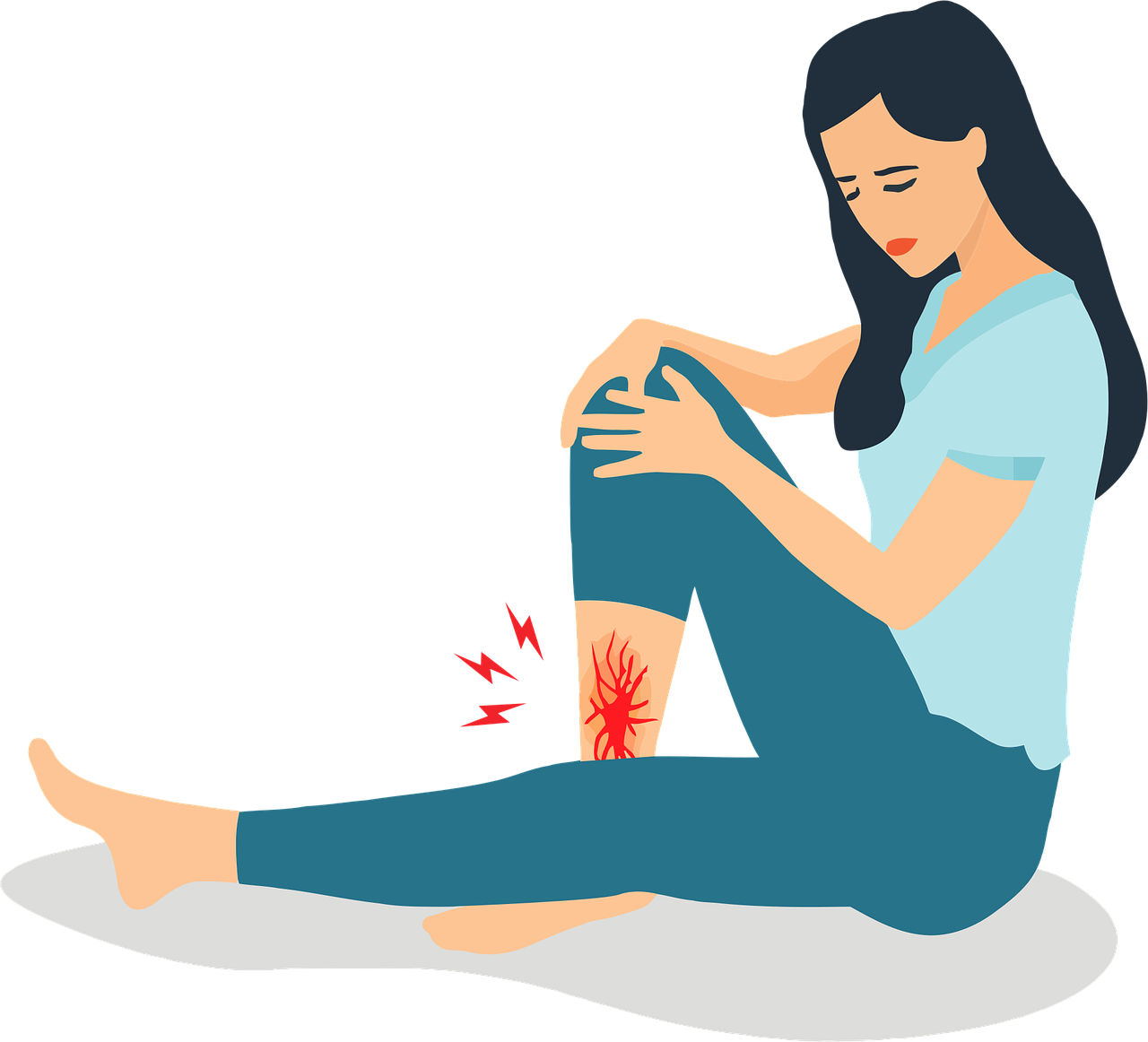

Do Compression Garments Prevent Injuries? Fact or Myth?
Compression garments have become increasingly popular among athletes and fitness enthusiasts, with many believing they can prevent injuries. The premise behind these garments is that they provide support to muscles, enhance blood circulation, and potentially reduce muscle soreness after intense workouts. However, various research studies examine whether these claims stand up to scientific scrutiny. While many athletes swear by their efficacy, the reality is more nuanced. Some studies suggest slight benefits regarding recovery but not necessarily injury prevention. Conversely, others find no significant evidence supporting these claims, indicating a gap between belief and scientific evidence. Consequently, understanding how these garments work and their actual benefits is crucial. It is essential to comprehend the physiology involved in muscle recovery and performance. Athletes often seek methods to prevent injuries while enhancing performance, leading to a plethora of products marketed as solutions. Compression garments represent one of the widely discussed solutions available. Therefore, determining their effectiveness requires a careful look at the research, understanding the mechanisms behind potential benefits, and recognizing that individual experiences may vary regarding their use in injury prevention.
The Claims Behind Compression Garments
Compression garments are said to provide a multitude of benefits, enticing athletes of all performance levels. Manufacturers often claim that these garments help to stabilize muscles, reduce vibration, and enhance proprioception during physical activities. Proponents suggest that wearing these garments results in less muscle fatigue and soreness post-exercise, potentially leading to quicker recovery times, encouraging athletes to push harder during training. Despite the allure of these claims, the scientific community is still examining their validity. Some studies report minimal improvements in performance or recovery, while others suggest that any positive effects might be due to placebo rather than the garments themselves. Understanding the science behind muscle function and the body’s recovery systems is necessary to evaluate these claims critically. Alternatives like proper warm-up routines, adequate hydration, and nutrition also play essential roles in injury prevention. Thus, it becomes vital to adopt a holistic approach when considering injury prevention measures. The allure of quick fixes can be strong, but recognizing the effectiveness of these garments involves more than just marketing. Careful evaluation of credible scientific research remains crucial to determine their true value.
While the popularity of compression garments continues to rise, athletes and recreational sports participants must recognize the importance of personal experience. The anecdotal evidence surrounding these garments is often compelling, with many athletes swearing by their benefits in terms of comfort and support, particularly during long-duration events. From marathon runners to cross-fitters, the diverse athlete population shows a vibrant community that loves using these garments. However, it is essential to differentiate personal testimonials from scientifically validated results. The subjective nature of these experiences means that many would argue they felt better while wearing these garments, leading to the belief that they prevent injuries. This sentiment is valid, but it also raises questions about whether these feelings translate into measurable performance outcomes and injury outcomes. The placebo effect can be powerful, causing individuals to feel better simply because they believe the garment is helping. Thus, a balanced perspective is necessary to analyze claims surrounding compression garments. Understanding individual variances and perceptions aids in navigating the narrative effectively, and fostering an environment of informed choice ultimately empowers athletes to explore various recovery methods that best suit their needs.
Research Findings on Compression Garments
Recent research surrounding compression garments paints a mixed picture regarding their ability to prevent injuries. Numerous studies have aimed to assess their effects on various athletic populations, yielding inconsistent results. Some studies report minor enhancements in recovery, muscle soreness reduction, or even performance improvement, while others find no substantial benefits whatsoever. Such inconsistency highlights the critical need for rigorous experimental protocols when evaluating these garments’ effectiveness. Factors such as the type of exercise, intensity, duration, and the individual’s response all play pivotal roles in determining outcomes. These variables create a complex landscape for researchers to navigate, often leading to conflicting data. Furthermore, the psychological impact of wearing compression garments cannot be ignored. If an athlete feels more confident and supported during their performance, it can lead to enhanced focus and motivation, potentially reducing injury risk behaviorally. Ultimately, as research continues to evolve, it becomes clear that compression garments might be beneficial for some individuals while not significantly impacting others. Athletes must remain discerning consumers of such products and rely on evidence-based insights combined with personal experiences.
In conclusion, the effectiveness of compression garments as a preventive measure against injuries remains a topic of debate among experts, backed by variable research findings. While some athletes experience genuine benefits from wearing these garments, attributing miraculous injury prevention powers to them may be overstating their role. Understanding the importance of muscle and joint care, proper training techniques, and the role of overall body conditioning will empower athletes to make informed decisions about their training regimens. Rather than relying solely on products marketed with grand claims, adopting a comprehensive injury prevention strategy encompassing proper training, nutrition, and adequate rest is advisable. Compression garments can be incorporated as part of a broader injury prevention strategy, particularly if they yield a perceived benefit like enhanced comfort. However, expecting them to be a magical solution may lead to disappointment. Ultimately, athletes must take responsibility for their health and well-being by employing a multi-faceted approach that integrates various strategies, including compression garments when appropriate. Continuous research into the effectiveness of these products is essential to provide accurate information that can influence athletes’ choices in the future.
Final Thoughts on Compression and Injury Prevention
As the discussion around compression garments and injury prevention continues, it is crucial for athletes to remain open-minded but discerning about what they incorporate into their training regimes. Relying heavily on anecdotal evidence can often cloud judgment, leading individuals to commit to practices that may not yield the desired results. The existing research offers a mixed bag of outcomes, which underscores the importance of personalizing approaches based on individual needs and preferences. Each athlete’s body responds differently, and understanding when and how to use compression garments effectively requires critical reflection and experimentation. Also, engaging with qualified health professionals or sports specialists can aid in making those vital decisions about injury prevention. The ultimate goal should be to enhance performance, prevent injuries, and ensure a long-lasting engagement with sports or fitness activities. Consequently, staying informed about emerging evidence and the latest developments in sports science is fundamental for athletes looking to improve their strategies. The journey toward achieving optimal performance encompasses so much more than just relying on singular products or trends, accentuating the complexity of sports and physical health.
In summary, compression garments may offer some benefits in terms of muscle recovery and post-exercise soreness, but their role in actual injury prevention is not definitive. The athlete’s experience, the type of sport, and individual physiological responses can all influence outcomes significantly. Remaining critical of both marketing claims and personal experiences ensures that athletes can navigate the complicated terrain of injury prevention methods. While these garments can serve as a supportive addition to an athlete’s gear, it is essential to acknowledge that they are not a standalone solution. A proactive approach focusing on comprehensive injury management practices such as proper training techniques, stretching, and recovery plans should always take precedence. Ultimately, investing in knowledge about injury prevention, combined with practical training applications, will lead to healthier athletic experiences and prolonged engagement in sports activities. Compression garments can be one component in a larger puzzle, but understanding their limitations remains crucial. With evidence-based practices and open conversations surrounding injury prevention, athletes can make informed choices that lead to success both on and off the field.