
Yoga and Meditation Retreats Focused on Stress Relief
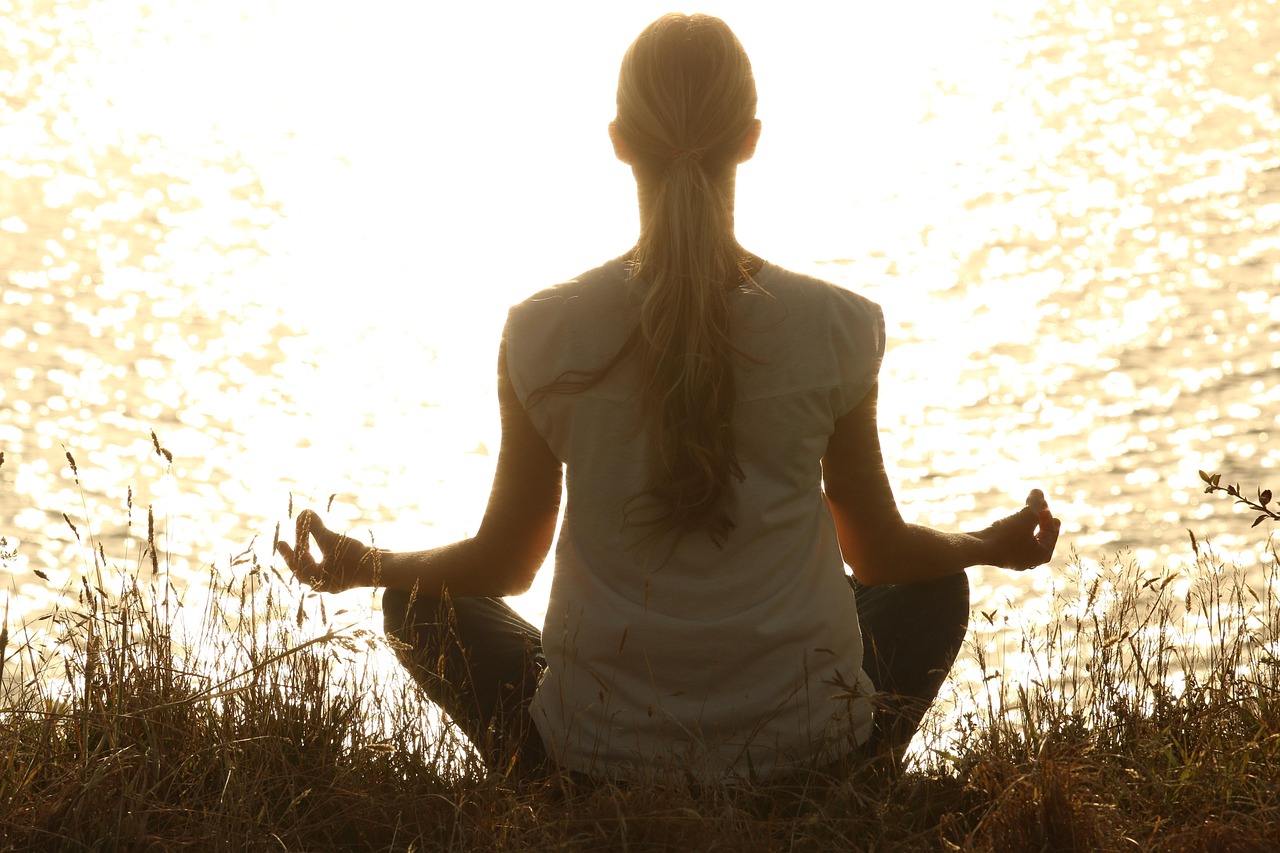
Yoga and meditation retreats uniquely focus on stress relief, providing participants with the tools necessary to manage and alleviate daily pressures. Through guided sessions, attendees learn various techniques designed to promote relaxation and mindfulness. Discovering personal stress triggers enhances the retreat experience, leading individuals to a deeper understanding of themselves. Activities such as group discussions and personal reflection enhance the learning process, while the serene environments help participants fully immerse themselves in the practice. Many retreats offer a combination of yoga styles tailored to various skill levels, allowing newcomers and experienced practitioners alike to benefit. Workshops on breathing techniques and meditation are integral components, teaching attendees how to calm their minds amid chaos. Emotional well-being sessions encourage exploration of emotions, facilitating healing through openness and practice. Specialized instructors not only guide yoga sessions but also offer invaluable advice on living stress-free lives. This holistic approach merges physical activity with mental relaxation for an overall sense of peace. Reading inspirational materials during downtime further enriches the experience, leaving participants feeling rejuvenated. Overall, these retreats serve as vital escapes from everyday life, empowering individuals to embrace tranquility.
Choosing the right yoga and meditation retreat for stress relief is essential for maximizing benefits. Numerous factors influence this decision, including location, length, and teaching styles. Many popular retreats are set in tranquil environments surrounded by nature, enhancing the peaceful atmosphere necessary for relaxation. Potential attendees should consider how remote or secluded a location is, as this can greatly affect their experience. Researching different types of yoga offered is crucial; styles such as Hatha, Vinyasa, and Restorative each cater to unique needs and personal preferences. Length of stay also plays a significant role; weekend retreats might aid temporary relief, while week-long immersions may bring deeper insights and lasting transformation. Regarding the instructors, their experience and teaching philosophy are pivotal in determining the retreat’s direction. Participants should look for retreats that boast experienced staff who can connect with individuals on a personal level. Reviews, references, and testimonials can provide invaluable feedback, helping individuals choose the retreat that resonates with them. Understanding personal goals for stress relief provides clarity in selecting the right setting and practices, ensuring a fulfilling experience. Having clear expectations will intensify the benefits of the yoga and meditation journey.
Benefits of Yoga for Stress Relief
Yoga offers numerous benefits for stress relief, often leading to significant improvements in mental and physical health. The practice encourages mindfulness, helping individuals focus on the present and alleviate anxiety. Through physical postures, or asanas, participants unlock the body’s natural ability to release tension and promote relaxation. Incorporating breathing techniques, known as pranayama, adds another layer of stress reduction, enhancing the mind-body connection. This form of holistic practice also improves flexibility and strength, reducing physical strain and enhancing overall wellness. Individuals who practice yoga regularly often experience better sleep patterns, leading to increased energy levels and improved mood. Such positive changes contribute further to enhanced stress management, creating a beneficial cycle of well-being. Moreover, group classes or retreats foster community, breaking isolation and encouraging social connections. This sense of belonging decreases feelings of loneliness and promotes emotional support. Guided meditation, often included in yoga retreats, deepens relaxation, promoting clarity and focus. Scientific studies frequently underscore yoga’s effectiveness in alleviating symptoms of stress-related disorders, highlighting its potential as a therapeutic means for coping with life’s challenges. Practicing yoga thus becomes an essential tool for achieving emotional balance.
Different meditation techniques are integral in enhancing stress relief during yoga retreats. Each method targets mindfulness and emotional regulation, contributing uniquely to stress management. For instance, guided meditation often leads participants through visualization practices, allowing them to create calming mental images. Mindfulness meditation focuses on observing thoughts without judgment, fostering acceptance and self-awareness. Additionally, loving-kindness meditation promotes compassion, encouraging practitioners to direct positive thoughts towards themselves and others. Another popular approach is body scan meditation, which gradually brings awareness to different body areas, aiding in significant relaxation. This technique uncovers physical tension and aids participants in achieving profound tranquility. Participants can also engage in walking meditation, combining movement with mindfulness, allowing them to ground themselves in nature. Many facilitators emphasize the importance of personalizing meditation practices to individual preferences and needs, fostering deeper connections. Incorporating journaling or discussion sessions further enriches the meditation experience, prompting self-reflection and emotional expression. The blend of yoga and meditation during retreats offers a complete wellness package, enhancing stress relief far beyond physical strength. Individuals leave feeling nourished, validated, and empowered to continue their practices long after the retreat ends.
Nutrition and Wellness
A comprehensive approach to stress relief includes focusing on nutrition and wellness, integral to yoga and meditation retreats. The food provided often highlights organic, whole ingredients, carefully selected to nourish the body and mind. Balanced meals improve energy levels and support overall health, further enhancing the retreat experience. Participants are often encouraged to engage in discussions about nutrition and its direct effects on physical and mental well-being. Kitchen workshops can educate attendees about preparing simple, healthy meals, providing skills that translate to everyday life. Hydration is another significant element, with retreats typically offering ample water and herbal teas to encourage participants to nurture their bodies. Recognizing the power of nutrition in managing stress empowers individuals to make conscious choices post-retreat. Attendees are often introduced to mindful eating practices, focusing on savoring each bite while fostering satisfaction. This approach nurtures a positive relationship with food, reducing anxiety related to eating habits. Overall, the combination of yoga, meditation, and nutrition forms a solid foundation for lasting change. Participants leave equipped not just with techniques but also with knowledge to maintain wellness beyond the retreat.
The community aspect of yoga and meditation retreats enhances stress relief through shared experiences and support. Participants often form bonds that facilitate emotional expression, creating a safe space for individuals to explore their feelings. Group activities foster a sense of belonging, reducing isolation and promoting collective healing. Sharing personal journeys encourages vulnerability, allowing individuals to feel understood and accepted. Many retreats include group discussions to address common stressors, fostering resilience among participants. Instructors often emphasize the importance of community in nurturing well-being, highlighting shared growth in emotional intelligence and personal insight. This social interaction serves as an essential reminder that individuals are not alone in their struggles. Support networks formed during retreats can encourage continued practice post-retreat, strengthening connections and ensuring accountability. Many participants maintain friendships, establishing a support system that encourages ongoing mindfulness and stress management. Building these relationships serves to reinforce the lessons learned during the retreat, allowing individuals to navigate life’s challenges with greater ease. The community aspect is a vital part of the transformational journey, making the experience memorable and impactful.
Taking Your Skills Home
Upon returning home from a yoga and meditation retreat, integrating learned skills into daily life is essential for maintaining stress relief. Practicing yoga regularly at home reinforces the benefits experienced during the retreat, fostering a strong connection to the self. Creating a dedicated space for yoga encourages commitment and mindfulness, transforming everyday practice into a sacred ritual. Incorporating meditation techniques into daily routines can help individuals navigate stressors with clarity. Setting aside just a few minutes each day for mindfulness meditation can significantly impact mental well-being. Additionally, connecting with local yoga communities can provide further support and encouragement, ensuring continuity in practice. Utilizing resources such as books, apps, or online classes can reinvigorate motivation and explore different styles of practice. Engaging family and friends in yoga can also make it a communal activity, further solidifying the lifestyle changes made during the retreat. It’s vital to remember that the journey towards stress relief is continuous. Regular self-care practices, journaling, and personal reflection help reinforce learned behaviors, ensuring lasting benefits from the retreat experience. By embracing these tools, individuals can cultivate a life rich in tranquility and mindfulness.
Yoga and meditation retreats focused on stress relief offer transformative experiences that promote health and well-being. Their importance in today’s fast-paced world cannot be overstated, as they empower individuals to manage stress effectively. Understanding how to access relaxation can lead to lifelong changes, fostering healthier lifestyles and improved emotional well-being. Many attendees leave feeling rejuvenated and equipped to tackle life’s challenges with newfound confidence. The synergy between yoga, meditation, and supportive experiences culminates in a holistic approach to stress relief that cannot be easily replicated. Such retreats ultimately serve as a resurfacing point for individuals longing for balance and serenity. By exploring these experiences, individuals embark on a journey towards self-discovery, resilience, and empowerment. Making the decision to attend such a retreat can be the first step towards a life marked by peace. The immense benefits of reconnecting with oneself outweigh the temporary discomfort of stepping outside one’s comfort zone. Thus, when considering a wellness journey, yoga and meditation retreats focused on stress relief should be a priority on one’s self-care agenda. Consciously choosing to invest time in such experiences contributes to overall well-being and personal growth.