
Encouraging Outdoor Play to Stimulate Kids’ Fitness Interest
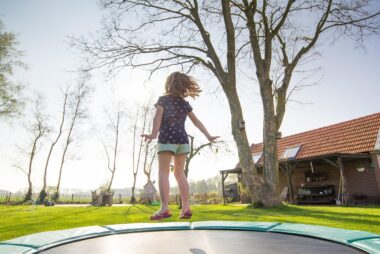
Promoting outdoor play among children is crucial for enhancing their physical fitness. Establishing a routine of outdoor activities can significantly boost kids’ interest in fitness and overall well-being. Enjoying nature not only fosters a love for movement but also contributes to better mental health. Parents and caregivers should lead by example, engaging in regular outdoor activities with their children. This could include family hikes, biking, or simply playing games at the park. By creating an inviting environment that encourages exploration and play, children are more likely to embrace fitness as a regular part of their lives. If you are wondering where to start, consider visiting local parks or community centers where organized sports or outdoor activities are available. Pay attention to your child’s interests, whether they prefer solo activities like skateboarding or team sports like soccer. Involving them in the decision-making process fosters a sense of ownership, making them more enthusiastic about participating in outdoor fitness activities. Outdoor play also helps develop social skills as children interact with peers during games and sports. Thus, outdoor play encourages a balanced, active lifestyle for your kids.
Additionally, integrating technology into outdoor play can enhance children’s fitness experience. Many kids enjoy using apps that track their steps, encourage outdoor challenges, and offer rewards for reaching fitness milestones. These gamified fitness experiences can make outdoor activities more engaging. Parents can motivate kids by setting incentives for various physical challenges, turning workouts into a fun family affair. Participating in group activities can also help children find teamwork engaging, fostering friendships that enhance their desire to be active. Sports leagues can provide structured outlets for kids to explore various sports while building a sense of community. These team dynamics encourage kids to stay active for the social connections and friendships they develop along the way. Educational outdoor programs focusing on fitness can also introduce children to different sports, helping them identify their passion. Consider enrolling your children in programs that highlight fun, fitness, and nature. Incorporating mindfulness practices such as yoga in parks can also attract kids to the outdoor fitness scene while enhancing focus and relaxation techniques. Overall, blending technology with outdoor activities creates a fun environment that encourages kids to actively participate in getting fit.
The Role of Community in Outdoor Fitness
Communities play a vital role in encouraging outdoor play among children. Accessibility to parks, recreational facilities, and community sports programs significantly impacts fitness in kids and teens. Local governments should prioritize the development and maintenance of safe outdoor spaces where families can engage in healthy activities. Establishing community gardens or organized clean-up events fosters children’s connection with the environment while promoting physical activity. Parents should collaborate with local organizations to advocate for more outdoor fitness opportunities for children. Community events, such as charity runs or sports days, can bring children together while promoting fitness culture. These events tend to highlight the importance of physical fitness and health awareness, appealing to various age groups. Creating after-school programs that focus on outdoor physical activities and sports can ensure kids stay active even after formal education hours. Community involvement also allows parents to leverage resources to offer more diverse activities for their kids, ensuring they receive holistic fitness experiences. As these programs are customizable, kids can choose those that align with their interests, ensuring enthusiasm remains high for outdoor activities rooted in fitness.
Another essential aspect of facilitating outdoor play is education about the benefits of physical activities. Building awareness of how regular exercise contributes to children’s growth and development can inspire families to prioritize outdoor play. Schools can partner with parents to educate kids on the physiological and psychological benefits of fitness. Workshops focused on fun ways to stay active can also encourage families to pick fitness activities as part of their daily routines. Informative presentations can help families assess their interests and choose applicable outdoor activities. Parents should also encourage open discussions about the importance of staying active, promoting a fitness-oriented culture at home. Making fitness engaging can lead to lasting habits in children, paving the way for a healthier future. As these habits develop early, kids will see fitness as an essential aspect of life, not just a fleeting trend. Parents and educators must encourage curiosity, exploration, and the outdoor spirit, creating a safe, friendly environment. Active lifestyles lead to better physical health and inspire kids to develop resilience, responsibility, and social skills, crucial for their overall development.
Incorporating Nature into Play
Integrating nature into children’s play is crucial for keeping fitness engaging. Nature offers unique, dynamic challenges that manufactured play equipment cannot match. Playgrounds featuring natural elements like logs, rocks, and trees inspire imaginative plays while providing a workout for kids. Parents can create fun scavenger hunts, encouraging kids to explore parks and nearby trails. By incorporating physical activities like running or climbing into these hunts, children remain active during the entire experience. Studies indicate that outdoor play positively affects children’s creativity and cognitive function. Implementing activities like nature walks or visits to botanical gardens can encourage kids in learning about their environment while promoting fitness. Other benefits of outdoor play include exposure to fresh air and sunshine, which can help boost mood and increase energy levels for kids. Walking or biking outdoors enhances cardiovascular health while building strength and coordination. These elements reinforce an active lifestyle while providing a sense of community, adventure, and enjoyment. Additionally, understanding how outdoor experiences contribute to an appreciation of nature instills a sense of stewardship, promoting lifelong fitness and environmental consciousness among kids.
Parents can also utilize local events and resources to enhance outdoor experiences for their children. Informal gatherings, such as family picnics or active playdates at the park, create opportunities for fitness in a relaxed setting. Encouraging kids to attend summer camps allows them to explore various outdoor activities while making friends. These camps often provide structured fitness programs, allowing children to develop various skills at their own pace. Collaborating with other parents can create a social support network, allowing children to play together regularly. This fosters motivation and builds a sense of accountability among peers. Hosting outdoor birthday parties centered on active games is another way to promote fitness while celebrating milestones. These engagements help reinforce the idea that fitness can be fun and rewarding. Additionally, encouraging kids to challenge themselves, such as by participating in fun runs, can cultivate a positive attitude toward fitness. Involving families in organized outdoor events fosters a community spirit, reinforcing fitness-related habits that could last a lifetime. Every little effort helps create a supportive environment where children appreciate fitness as a core component of their lives.
Long-term Benefits of Outdoor Fitness
Encouraging regular outdoor play ultimately contributes to long-term benefits that significantly shape children’s lives. Research suggests that physically active children have improved focus, better academic performance, and increased self-esteem. These advantages help instill qualities like responsibility and perseverance that remain throughout adulthood. Building strong fitness habits early on not only benefits their physical health but also leads to better mental health and emotional regulation. Outdoor play stimulates the brain, promoting better decision-making skills and cultivates creativity. As children take charge of their fitness journey, they learn valuable lessons about goal-setting and achievement. Being outside in nature boosts mood and decreases feelings of anxiety, providing a natural remedy for stress relief. Parents and caregivers have a unique role in guiding kids through this learning experience. By fostering enjoyment in fitness, children develop a positive relationship with movement and activity that carries into their teenage years and beyond. These benefits cannot be understated, as strong fitness foundations can lead to healthier lifestyles and reduced risks of obesity-related complications. Investing in kids’ fitness today ensures brighter, stronger futures for generations to come.
In conclusion, encouraging outdoor play is key to enhancing children’s fitness interests. Making outdoor activities engaging and culturally relevant can lead to a generation of active, health-conscious kids. Parents and communities must work together to create safe, accessible spaces that promote fitness. Education on the benefits of active lifestyles can inspire families to choose outdoor fitness as part of their daily routines. Integrating nature into play fosters creativity and enjoyment, essential for keeping children motivated. Utilizing local resources and events also helps build a supportive network where children can actively explore their interests. Long-term benefits of those early habits are immeasurable. As families support healthy lifestyles, they also pave the way for future generations to enjoy the benefits of fitness and well-being. By making fitness engaging and fun, outdoor play can transform the lives of children, instilling lifelong habits that support both physical and mental health. Emphasizing the importance of movement within the family unit establishes a culture of fitness that children are likely to adopt and maintain. Ultimately, outdoor play is not just about exercise; it’s about nurturing a connection to the world, each other, and oneself, creating a well-rounded approach to child development.