
Plant-Based Alternatives to Dairy for Kids
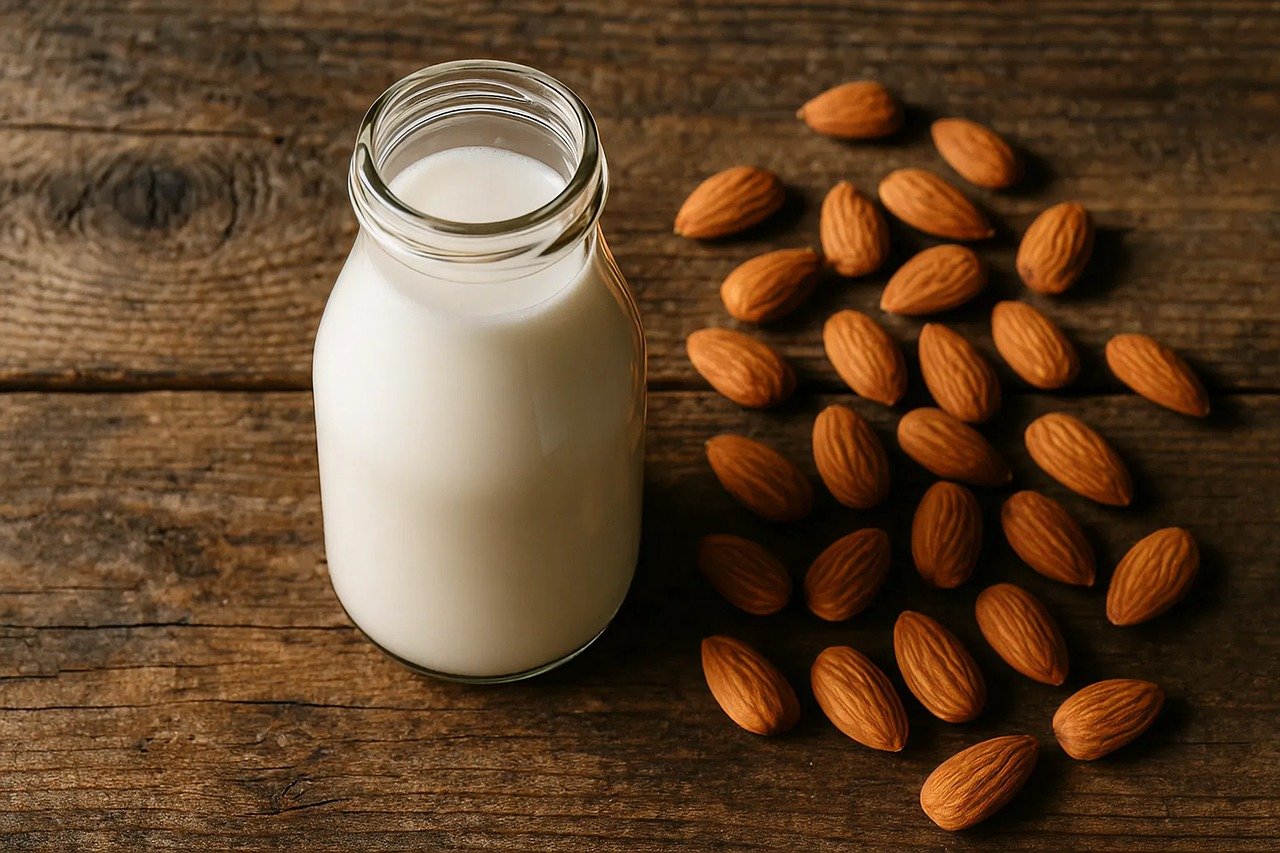
When parents choose a vegan diet for their children, it’s essential to find suitable dairy alternatives. Youngsters need adequate calcium and vitamin D, essential for bone growth and overall health. Thankfully, numerous plant-based options provide these vital nutrients without traditional dairy. Some excellent choices for parents include fortified almond milk, coconut yogurt, and soy cheeses. Among these alternatives, almond milk is low in calories and rich in vitamin E. Soy-based yogurts come with protein benefits, which many kids miss from dairy. It’s also critical to check labels since some products may contain added sugars or artificial flavors that aren’t healthy.
Try unsweetened varieties when possible. Fortified options are essential, as they can include necessary nutrients. Transitioning to these alternatives can be challenging, so including children in the selection process makes them more likely to enjoy the swaps. Let kids try different flavors essential for their preferences. Providing different tastes and textures keeps meals interesting. In addition, involving them in meal prep can cultivate an interest in healthy eating. Explore various recipes to encourage kids to enjoy nutritious meals they can feel excited about.
Dairy-free milk options are increasingly popular, allowing families to explore sediment-rich beverages. Oat milk, made from whole oats, provides a creamy texture and mild flavor, making it perfect for smoothies and baking. It’s also an environmentally friendly choice, requiring less water to produce compared to almond or cow milk. With a unique taste, oat milk is loved by many children, even those skeptical about plant-based products. Parents can find it plain or flavored, such as vanilla or chocolate, catering to kids’ varying preferences.
Another growing option is hemp milk, packed with omega-3 fatty acids. This alternative is especially beneficial because it supports brain development. Its nutty taste complements cereals and smoothies, making it an exciting option for meals. For protein content, consider using soy milk, which comes fortified with vitamin D and calcium, helping kids meet their nutritional needs. Ensure to choose organic, non-GMO versions if health is a priority. Additionally, rice milk is a hypoallergenic alternative, suitable for little ones allergic to soy or nuts. Parents must read labels carefully to select the healthiest options, ensuring children flourish on their plant-based journey.
Vegan Yogurt Options
Vegan yogurt provides an array of flavors and nutrients, making mealtime more enjoyable for kids. Coconut yogurt is particularly creamy and delicious, often packed with probiotics beneficial for gut health. Many children love its sweet, tropical taste, which enhances breakfast and snack times. Soy-based yogurts offer protein similar to dairy yogurt, ensuring kids get enough nutrients in their diet. This option comes in various flavors, making it attractive for enthusiastic young eaters. Another great option is almond yogurt, lower in carbohydrates and sugar, thus contributing positively to health.
Parents should consider homemade yogurt made from nut milk to control ingredients and flavors. Homemade yogurt might have fewer additives and more probiotic benefits for growing kids. Furthermore, incorporating these dairy-free yogurts into meals can foster creativity. Kids can enjoy their yogurt with fruits, granola, or chia seeds, and thus create delicious and nutritious parfaits. In addition, experimenting with smoothies can also provide an enjoyable way to consume yogurt, creating diverse flavor combinations. Overall, introducing these yogurt alternatives can enhance children’s diets, ensuring they receive essential nutrients.
Cream-based alternatives exist, like cashew cream, that can enhance various dishes. Cashews, when blended with water and seasonings, create a rich, thicker texture similar to traditional cream. Kids will love using this in pasta or as a dip for vegetables. Additionally, people can use avocado as a creamy base in various dishes. With its healthy fats and vitamins, avocado can replace cream in recipes, providing nutritional benefits. Experimenting with these swaps can make meals appealing and healthy.
Parents should involve kids in cooking processes, teaching them about flavors and nutrition while having fun. Creating healthy sauces or dressings using avocado can also encourage kids to make healthier choices. Moreover, desserts can be deliciously made using coconut or nut-based creams, yielding fun and unique treats. Utilize natural sweeteners such as maple syrup or dates when making desserts; avoiding refined sugars is essential for children’s health. Enhancing desserts with cacao can also transform options into wholesome indulgences. Using plant-based alternatives offers creativity, encouraging children to appreciate healthy eating habits while enjoying their meals. With varied flavors, kids will love exploring new options.
Plant-Based Cheese Options
Plant-based cheeses are becoming increasingly popular, appealing to children who love cheesy flavors. Nut-based cheeses, particularly those made from cashews and almonds, are rich in flavor and texture. They can be blended with nutritional yeast to provide that distinct cheesy taste kids enjoy. Offering different varieties, such as spreads or slices, makes them versatile for various meals. Using plant-based cheese in sandwiches or on pizzas ensures kids maintain enthusiasm for healthy food choices.
Another famous option is the use of coconut-based cheeses, which can melt similarly to dairy cheese. This type of cheese is perfect for nachos or cheese quesadillas, allowing kids to embrace their favorite comfort foods. Selecting soy-based cheeses can increase protein intake for veggie-loving children, providing essential nutrients. When shopping for these products, parents should read labels to ensure healthy choices free from excessive additives. Homemade plant-based cheeses can be a fun family activity. Kids can help choose flavors, making the preparation more exciting. Involving children in meal planning can encourage them to try new foods, increasing the likelihood of accepting healthy options in their diet.
Plant-based ice creams are a delicious treat that kids will love, providing a way to indulge without traditional dairy. These alternatives can be made from almond milk, coconut milk, or cashew cream. Frozen banana ice cream is also gaining popularity for being nutritious and easy to prepare. Blending frozen bananas creates a creamy texture that satisfies sweet cravings while being rich in potassium. Adding cocoa powder or peanut butter elevates the flavor, ensuring enjoyment.
Many manufacturers now offer vegan ice creams in indulge-worthy flavors, including cookies and cream, strawberry, or mint chocolate chip, ensuring a broad appeal for children. Parents are encouraged to explore store options or make it a fun family activity to create homemade versions. Crafting ice cream together allows kids to learn about healthy ingredients while having a blast. Additionally, dairy-free sorbets can provide a refreshing dessert, particularly during warmer months, made from whole fruits and natural sweeteners. Having various plant-based treats ensures children can have fun and enjoy healthy options. Plant-based ice creams let kids explore different flavors and learn about nutrition while enjoying their treats in delicious ways.
Creativity with Plant-Based Foods
Including plant-based alternatives for kids opens the door to culinary creativity. Parents can experiment with flavors, textures, and colors to make meals fun. Combining broccoli with cashew cream blends tasty dishes and nutritional value, which kids may embrace more readily. Kids tend to be more adventurous if they see vibrant meals that stimulate their senses. Moreover, using more whole foods encourages better habits, as children develop a love for wholesome nutrients. Engaging children in crafting their meals encourages independence and excitement.
Creating plant-based snacks, such as energy balls or veggie sticks with dips, promotes healthy choices. Parents can recycle leftovers into exciting new dishes, reducing waste and inspiring kids to appreciate food. Establishing themed meals can enhance fun, such as taco night with an array of plant-based fillings. Inviting kids to construct their tacos keeps them interested in trying new flavors and combinations. Each plant-based option provides an opportunity to discuss health benefits while eating healthfully. Embodying creativity while teaching children about nutrition will prepare them for making healthier decisions in the future, ultimately improving their overall health.
As children transition to a vegan lifestyle, understanding the necessary nutrients is critical. Many parents find it daunting to ensure their kids get enough protein, calcium, vitamin B12, and omega-3 fatty acids. However, various plant-based sources can fulfill these requirements easily. Incorporating legumes, nuts, seeds, and whole grains into daily meals ensures balanced nutrition. Nutrient-rich foods should be included in recipes for optimal health. It’s also beneficial to consult with a registered dietitian specializing in vegan diets for children.