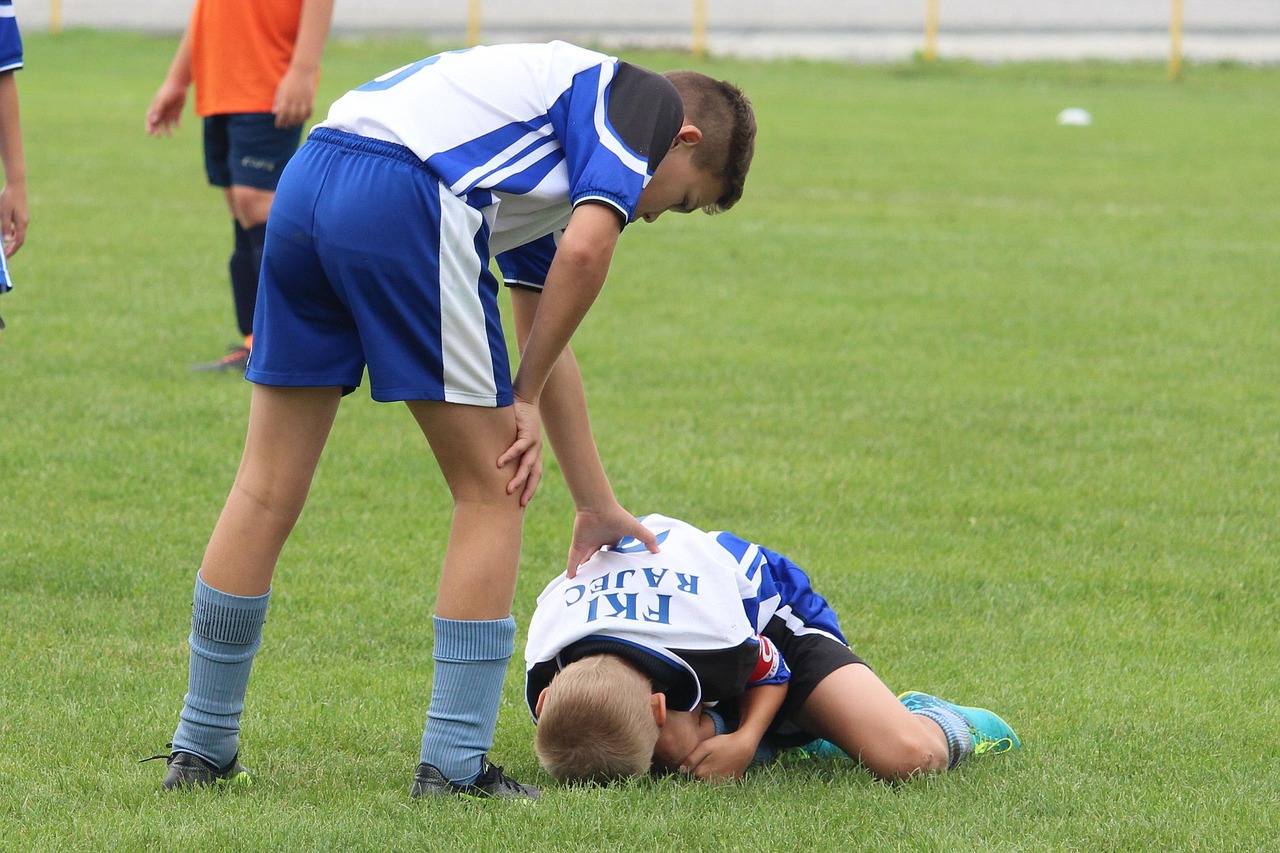

Educating Young Athletes on Self-Care and Injury Prevention
Engaging in sports can offer numerous benefits for young athletes, promoting fitness, teamwork, and discipline. However, it is crucial to address the potential risks of injuries that can occur during training and competition. Parents, coaches, and young athletes themselves all share the responsibility for prioritizing injury prevention measures. Educating young athletes about self-care and injury prevention is essential in empowering them to take charge of their health. One effective approach is teaching techniques for warming up, cooling down, and stretching, which can significantly reduce the likelihood of injuries. Additionally, understanding proper nutrition is vital, as it provides the necessary fuel for optimal performance. Young athletes should be aware of the importance of hydration and balanced diets, including adequate vitamins and minerals. Coaches can help by integrating these lessons into training sessions. Also, promoting a culture where young athletes feel comfortable voicing any concerns related to pain or discomfort can lead to early intervention and improved outcomes. When empowered, they are more likely to prioritize their well-being, allowing them to enjoy their sports while minimizing injury risks.
Mentorship plays a significant role in ensuring that young athletes adopt safe practices throughout their sports experiences. Coaches can serve as mentors by modeling healthy behaviors and setting clear expectations regarding self-care. Athletes should learn to listen to their bodies and recognize when they need rest or further evaluation by healthcare professionals. Indeed, encouraging a proactive approach to recovery is vital for maintaining long-term athletic participation. Coaches should regularly discuss the importance of rest days, sleep hygiene, and techniques for managing stress amidst competition. Additionally, educational workshops can provide young athletes and their families essential information about injury types, prevention strategies, and recovery processes. Creating partnerships with medical professionals, such as sports physiotherapists or nutritionists, can further enhance this education. Young athletes can have direct access to credible resources and gain knowledge about various injuries and rehabilitation. Incorporating technology can also be beneficial; mobile applications and online platforms can provide crucial information on injury management and self-care. By fostering open communication between coaches, athletes, and medical professionals, a collective approach can enhance overall awareness and practices surrounding injury prevention.
Importance of Warm-up and Cool-down
One crucial aspect of injury prevention is understanding the significance of proper warm-up and cool-down routines. Warm-ups prepare the body physically and mentally for exercise, thereby reducing stiffness and optimizing performance. A well-structured warm-up typically includes lower-intensity aerobic activities followed by sport-specific movements designed to enhance flexibility and coordination. Incorporating dynamic stretching into the warm-up routine promotes blood flow, increasing muscle elasticity and reducing the risk of strains. Likewise, cool-down sessions should not be overlooked; they facilitate a gradual return to resting state into the nervous system. This practice aids in reducing muscle soreness and assists in recovery, preparing athletes for future training sessions. Proper cool-down techniques may involve static stretching and light aerobic exercises. Coaches should prioritize educating athletes on these practices, integrating them into daily training routines. Young athletes, with their eagerness to perform, might overlook these essential components, leading to increased injury risks. Emphasizing the need for warm-up and cool-down not only cultivates good habits but also contributes to overall health and performance longevity in young athletes.
Regular training and competitions can lead to physical fatigue, which is often overlooked in young athletes. Overtraining is a common issue among youth athletes, leading to injuries and burnout. It is crucial to manage training loads effectively, allowing for adequate recovery between sessions. Coaches should monitor training intensity and duration, ensuring that young athletes do not exceed their physical limits. Implementing cross-training strategies can also be beneficial to reduce the risk of injuries caused by repetitive motions in a single sport. Encouraging athletes to participate in diverse activities helps develop various muscle groups and reduces the likelihood of overuse injuries. Additionally, parents must understand the significance of rest, recognizing signs of fatigue, which can manifest in reduced performance or irritability. Open discussions regarding physical and emotional states should normalize rest as a critical component of athletic growth. Recognizing that rest enhances performance and promotes mental sharpness will lead to a healthier approach to competition and training. Prioritizing recovery strategies, such as adequate sleep, nutrition, and rest days, will empower young athletes to pursue their passions safely and sustainably.
The Role of Nutrition in Injury Prevention
Nutrition plays an indispensable role in injury prevention, impacting young athletes’ performance, energy levels, and overall health. A balanced diet filled with various nutrients supports optimal muscle function and recovery. For example, carbohydrates are the primary fuel source for athletes, while proteins aid in muscle repair and growth. Moreover, incorporating healthy fats supports hormonal balance and provides additional fuel for endurance activities. Young athletes should plan nutritious meals that include fruits, vegetables, whole grains, lean proteins, and healthy fats, fueling their bodies effectively. Educating young athletes on nutrition can be done through hands-on workshops, cooking sessions, or nutrition seminars involving professionals. Proper hydration is also critical; even mild dehydration can impair performance and increase injury risks. Athletes need to understand how to gauge their hydration needs before, during, and after activity. Coaches should emphasize the importance of having water readily available and encourage regular hydration breaks during practice. Support from parents in preparing healthy snacks and meals at home can also reinforce these concepts. Ultimately, prioritizing nutrition will grant young athletes the energy and resilience necessary to thrive in their athletic endeavors and minimize injury risks.
Another vital aspect of injury prevention concerns the psychological state of young athletes. Mental well-being significantly impacts physical performance, and stress can lead to reduced focus and increased likelihood of injuries. Coaches and parents should create an environment that values mental health, encouraging athletes to share any emotional challenges they might be facing. Open discussions around the pressures of competition, peer comparisons, and performance anxiety should be common. Providing young athletes with tools to manage stress, such as mindfulness techniques or relaxation exercises, can dramatically enhance emotional resilience. Equipping athletes with skills to cope with stress will help them make informed decisions regarding their bodies and recovery. Collaborative activities that promote team bonding can also enhance mental health, providing a support system for young athletes. Building connections with teammates fosters trust and ensures they feel comfortable discussing their concerns. Equipping athletes with the knowledge to balance ambition with self-care will contribute to sustainable athletic careers without the risk of burnout or injury. Cultivating a culture where mental well-being is prioritized alongside physical training is essential for developing well-rounded young athletes.
Signs and Symptoms of Sports Injuries
Recognizing the signs and symptoms of sports injuries is paramount for effective injury management and prevention. Young athletes must be educated on common injury indicators such as swelling, pain, reduced motion, and discomfort during activity. Coaches can support this education by integrating discussions about injury awareness in practice sessions. Understanding that these symptoms do not signify weakness, but rather serve as vital communication from the body can empower young athletes to report issues early. Early detection is crucial as addressing injuries promptly can often lead to quicker recoveries. Young athletes should not be discouraged from voicing their concerns; coaches should foster an environment where it is acceptable to discuss pain. Education on self-assessment techniques can help athletes independently monitor their physical conditions. By developing effective communication skills regarding injuries, young athletes can then work collaboratively with coaches and medical staff to seek appropriate care. Moreover, understanding the factors that increase injury risks—example, previous injury history and inadequate conditioning—can also aid in preventive measures. By instilling awareness of injury signs into training, opportunities for effective management are created, enhancing the overall athletic experience.
In summary, educating young athletes on self-care and injury prevention is a multifaceted process that necessitates collaboration between coaches, parents, and the athletes themselves. Building a foundation that prioritizes safety and well-being will enable young athletes to thrive in their chosen sports. Effective education focuses on essential aspects, including proper warm-up and cool-down routines, injury recognition, nutrition, and mental health management. Additionally, fostering open communication will ensure early intervention and appropriate responses to injuries when they arise. Coaches should stay current with training practices and injury prevention strategies while involving medical professionals in their educational efforts. Young athletes are motivated and capable; empowering them with the knowledge they need will not only enhance their performances but also promote long-term health. Ultimately, prioritizing self-care will allow young athletes to enjoy their sporting experiences while minimizing the risk of injuries. As education permeates team culture and practices, the overarching narrative will increasingly reflect one of sustained health and informed athletic participation across communities, inspiring future generations to pursue their passion without compromising their well-being.