
The Connection Between Gut Health and Chronic Disease
Gut health is increasingly recognized as a crucial player in overall wellness, particularly when it comes to chronic diseases. The gastrointestinal tract serves as a house for trillions of microorganisms, collectively known as the gut microbiome. This microbiome not only aids in digestion but also in regulating immune function, inflammation, and even mood. Studies indicate that an imbalanced gut microbiome may contribute to conditions such as diabetes, heart disease, and chronic inflammatory diseases. By understanding how gut health influences these chronic conditions, individuals can adopt dietary and lifestyle modifications that enhance their gut flora and, ultimately, their health. The consumption of fermented foods, high-fiber fruits and vegetables, and probiotic supplements all play a vital role in supporting a balanced microbiome. Moreover, chronic stress and poor dietary habits can disrupt this delicate balance, leading to various health challenges, including metabolic disorders. Therefore, making informed nutritional choices can have a profound impact on gut health, which in turn can mitigate the risk or severity of chronic diseases. Educating oneself about food choices is a pivotal step in fostering better gut health.
The Role of Inflammation
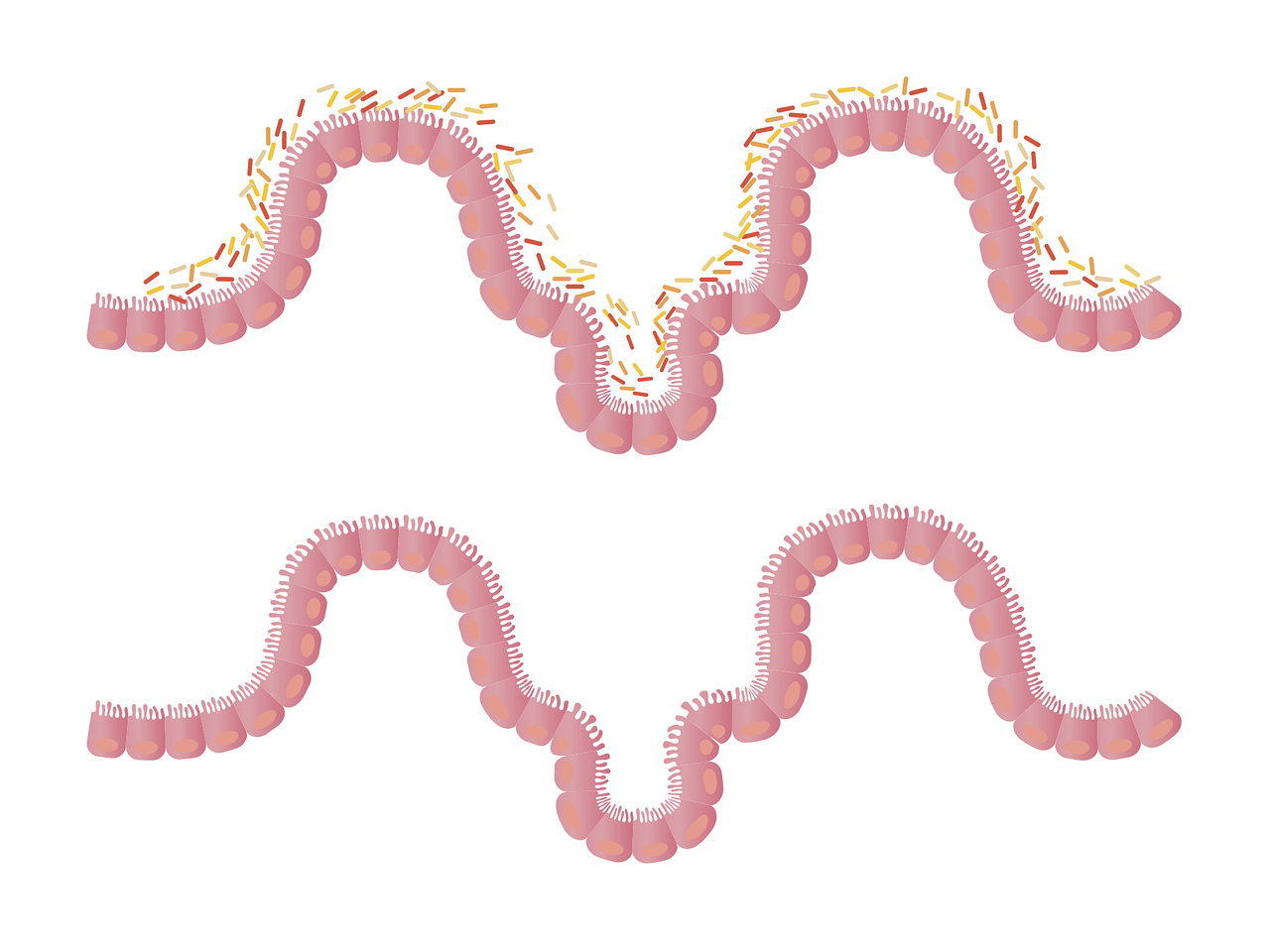
Chronic inflammation is often considered a cornerstone in the development of various chronic diseases. When the gut microbiome is disrupted, it can lead to increased intestinal permeability, commonly known as ‘leaky gut syndrome.’ This condition allows toxins and undigested food particles to enter the bloodstream, triggering an immune response that manifests as inflammation. Over time, this inflammation can escalate, contributing to chronic diseases such as rheumatoid arthritis, cardiovascular disease, and even certain types of cancer. Managing inflammation through dietary interventions can be profoundly beneficial. Anti-inflammatory foods, such as fatty fish rich in omega-3 fatty acids, nuts, fruits, and leafy greens, can help reduce inflammation markers in the body. Additionally, avoiding processed foods high in sugar and trans fats can aid in maintaining a balanced gut environment. To combat chronic inflammation effectively, it is crucial to understand the impact of dietary choices on the inflammatory processes within the body. Staying informed and proactive can empower individuals to make lifestyle choices that bolster gut health and decrease the risk of chronic disease formation.
Moreover, addressing gut health requires a holistic approach that goes beyond just dietary changes. Lifestyle factors such as physical activity, sleep quality, and stress management significantly influence the gut microbiome. Regular exercise has been shown to promote the growth of beneficial gut bacteria while also reducing inflammation. Furthermore, adequate sleep is vital for overall health and has been linked to improved gut health. Sleep disturbances can negatively affect gut bacteria, contributing to metabolic and other chronic diseases. Stress, often underestimated, plays a critical role in gut health as well. Chronic stress can alter gut motility and increase gut permeability, further exacerbating any gut-related issues. Incorporating mindfulness practices, like meditation and yoga, can effectively mitigate stress levels, thereby positively impacting gut health. To achieve optimal wellness, individuals must consider a multifaceted approach that includes not only nutrition but also consistent physical activity, quality sleep, and effective stress management strategies. By improving these factors, a healthier gut can be maintained, significantly lowering the risk for chronic diseases in the long run.
Dietary Interventions to Foster Gut Health
Implementing specific dietary interventions can have a substantial positive effect on gut health, which ultimately impacts chronic disease outcomes. A diet rich in fiber, particularly from whole grains, fruits, and vegetables, provides nourishment for beneficial gut microbes. Such dietary choices can stimulate the production of short-chain fatty acids, which have been linked to reduced inflammation and improved gut function. Probiotic-rich foods like yogurt, kefir, kimchi, and sauerkraut introduce live beneficial bacteria, directly influencing the gut microbiome’s balance. Additionally, increasing the intake of prebiotics—found in foods such as garlic, onions, and bananas—helps support the growth of good bacteria already present in the gut. It’s essential to diversify food sources to promote a wider range of microbial diversity, which has its benefits for metabolic health and chronic disease prevention. While many may think that supplements can replace these dietary interventions, obtaining nutrients from whole food sources is generally more beneficial. By being proactive about food choices, individuals can harness the power of nutrition to enhance gut health and mitigate the risk of chronic illnesses.
Furthermore, it is crucial to recognize the preventive aspect of nutrition in relation to chronic diseases. Many chronic diseases are preventable or can be significantly delayed through proper nutrition and lifestyle choices. By identifying personal dietary habits and making necessary adjustments, one can effectively build a foundation for long-term health. Consulting with healthcare professionals or registered dietitians can be beneficial, as they can provide tailored dietary guidance based on individual health needs and goals. The importance of maintaining a nutritious diet over the lifespan cannot be understated, as the effects of dietary choices can accumulate and result in significant health outcomes. Engaging in community health programs or educational workshops can also provide valuable insights into how foods impact gut health and chronic disease. Many resources are available online, presenting a wealth of information that can guide informed decision-making. As individuals become more aware of their dietary patterns and their implications for gut health, they empower themselves to take charge of their health and potentially avert serious chronic diseases. By prioritizing nutrition, enhanced quality of life can be achieved.
The Gut-Brain Connection
Emerging research is uncovering the complex relationship between gut health and brain health, referred to as the gut-brain axis. This connection underscores how gut microbiota can influence not just physical health but mental well-being as well. Gut bacteria produce neurotransmitters, including serotonin, which plays a crucial role in mood regulation. An imbalance in gut flora may contribute to mood disorders such as anxiety and depression, which can further complicate chronic disease management. Incorporating foods that promote a healthy gut microbiome can also support mental health, thereby affecting chronic conditions related to stress and anxiety. Foods rich in omega-3 fatty acids, antioxidants, and probiotics are particularly beneficial. Similarly, maintaining a balanced gut through diet can enhance cognitive functions and emotional resilience. Therefore, the relationship between nutrition and gut health extends beyond the physical. Ensuring optimal gut health can serve as a foundation for both physical and mental well-being, providing a comprehensive approach to chronic disease prevention. This understanding illuminates the intricate interdependencies of body systems that must be acknowledged to sustain health across a lifetime.
In conclusion, the connection between gut health and chronic disease is a multifaceted topic encompassing a wide range of elements, including diet, lifestyle, and mental health. Focusing on improving gut health through informed nutritional choices can significantly impact the risk and progression of chronic diseases. Individuals have the power to make choices that not only protect against chronic illnesses but foster overall wellness, demonstrating the transformative power of nutrition. Being proactive about gut health can provide substantial benefits, from inflammation reduction to improved mental clarity and emotional balance. Individuals are encouraged to commit to lifelong dietary changes that enhance gut health, such as incorporating more whole foods, practicing balanced nutrition, and cultivating a comprehensive lifestyle approach. Moreover, understanding the profound implications of stress and lifestyle on gut and overall health can lead to more successful chronic disease management. With advancing research and growing awareness, fostering gut health presents a promising avenue for enhancing public health on a larger scale, positioning individuals to take charge of their health journeys. Through education, individuals can harness the power of nutrition for lasting well-being.