
How Posture Correction Devices Improve Your Confidence and Well-being
Maintaining proper posture is vital for overall health, which significantly influences confidence and well-being. Posture correction devices play a crucial role in supporting individuals to achieve better alignment and spinal health. Such devices include various gadgets like braces, smart wearables, and posture trainers. They not only serve as reminders to adjust posture but can often provide real-time feedback, encouraging users to maintain correct alignment during daily activities. Individuals who struggle with posture issues often experience discomfort, which can negatively impact self-esteem. By utilizing these devices, users can benefit from increased awareness of their posture habits, leading to gradual improvement. Improved posture can create a lasting impression on others by projecting confidence and professionalism. Moreover, healthier posture may contribute to alleviating chronic pain, boosting productivity, and promoting relaxation. Whether at home or in professional settings, the benefits of using posture correction devices extend beyond physical health to influence mental well-being. Committing to these devices fosters a positive cycle of enhancement, encouraging users to be more self-aware and proactive in their health journey. In summary, such gadgets empower individuals to enhance their confidence and holistic wellness.
Types of Posture Correction Devices
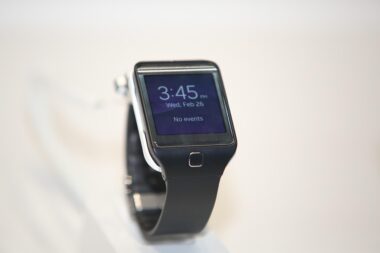
There are various posture correction devices available, suited for different individual needs and preferences. Some popular types include posture braces, smart posture trainers, and wearable devices that are designed to provide feedback. Posture braces, worn over shoulders and upper back, often utilize support to encourage users to maintain an upright position. These devices promote muscle memory and the feeling of correct alignment over time. Smart posture trainers are electronic devices equipped with sensors that track posture and send real-time alerts to warn users of incorrect positions. Such devices connect to mobile applications, adding another layer of convenience. Additionally, some wearables are designed to be discreet, allowing individuals to correct their posture without drawing attention. A notable mention includes posture-correcting shirts which incorporate flexible materials and built-in sensors. These garments gently remind users to engage core muscles and align their spine correctly. Individuals seeking solutions can also explore balance boards and stability balls, which encourage active engagement of core muscles. Understanding each type’s unique benefits can help users choose the most effective posture correction device for their specific requirements.
Utilizing posture correction devices provides a multitude of advantages for users dealing with posture issues. Firstly, enhanced alignment helps alleviate discomfort often associated with prolonged poor posture. This means users can drastically reduce common concerns, such as back pain, neck stiffness, and even headaches. By alleviating such issues, individuals can lead a more productive life, as consistent pain can significantly hinder focus and personal performance. Furthermore, better posture can improve respiratory function, allowing more efficient breathing. When the spine is correctly aligned, the lungs can expand fully, leading to increased oxygen intake. This, in turn, fosters enhanced energy levels and a sense of vitality. Another significant advantage includes the psychological impact of improved bodily alignment; individuals often find themselves feeling more confident and poised when standing tall. This can have a positive feedback loop effect, uplifting self-esteem and self-image. Consequently, many find that a commitment to posture enhancement connects to various life aspects, improving both personal and professional experiences. Regular use of devices that correct posture encourages users to take pride in their well-being, sustaining a healthy and confident demeanor that benefits daily interactions.
Combining Posture Devices with Lifestyle Changes
While posture correction devices prove beneficial, they work best in conjunction with other lifestyle habits aimed at promoting healthy alignment. Regular physical activity plays an essential role in strengthening core muscles which support the spine and improve posture longevity. Integrating exercises such as Pilates, yoga, and resistance training can enhance the effectiveness of posture gadgets. These activities promote muscle engagement and flexibility, setting the foundation for a more upright posture naturally. Moreover, ergonomics in daily settings cannot be overlooked; arranging workspaces, chairs, and workstations thoughtfully optimizes body positioning. Regular breaks from prolonged sitting can rejuvenate tired muscles and re-establish proper alignment especially while working at desks. This mindful approach towards posture can be further supported by stretches targeting tight areas throughout the day. Emphasizing awareness of body positioning in daily movements helps individuals develop better habits naturally over time. Ultimately, the synergy between wearable devices, exercise, and awareness cultivates a holistic lifestyle that maintains good posture and physical health. Adopting techniques and tangible routines that reinforce alignment paves the way for lasting well-being inspired by conscious lifestyle choices.
When considering the effectiveness of posture correction devices, it is essential to acknowledge the importance of consistent and correct usage. Many individuals may purchase such gadgets impulsively but fail to commit to regular application. To reap the true benefits, users must remember that these devices often require a period of adjustment. This ongoing commitment involves wearing the devices consistently and following guidelines for maximum effectiveness. To prevent discomfort initially, starting with shorter periods can help users acclimate to the corrective experience. Seeking professional advice from a physical therapist or chiropractor may also optimize the process, as they can provide tailored recommendations specific to individual needs. Accountability can also boost success; enlisting the support of a friend or family member can enhance motivation to remain dedicated to posture goals. Furthermore, setting realistic milestones allows users to witness and celebrate gradual improvements along their journey. Keeping a journal or progress tracker can serve as a source of motivation while encouraging users to stay dedicated to their posture correction plan. Drawing from the combined efforts of various strategies and determination amplifies the positive outcomes of using correction devices for better health.
Addressing Myths About Posture Correction Devices
Despite their growing popularity, several myths about posture correction devices persist. One common misconception is that they serve as a cure-all for existing posture issues. While devices can significantly improve alignment, they should not replace physical activity or proper ergonomic choices. Users may incorrectly believe they can rely solely on these gadgets without combining them with lifestyle changes. Another myth is that once the device is removed, bad posture will return immediately. Though the benefits of consistent usage can be profound, developing muscle memory is crucial for sustained improvement. Many people worry that wearing posture correction devices will label them as “different” or draw attention. However, with advances in design and technology, many products are now discreet and comfortably blend into daily attire. Importantly, correcting posture requires time and patience; individuals should not expect overnight results. Genuine progress takes perseverance and consistency; users should gradually integrate devices and celebrate their journey toward better posture. Clearing these misconceptions can empower individuals and foster a positive approach towards embracing posture correction gadgets as part of a long-term health commitment.
As modern technology evolves, the future of posture correction devices looks promising. Innovations such as smart textiles and artificial intelligence are paving the way for more personalized and integrated solutions. Wearable technologies are becoming increasingly advanced—developing sensors capable of more precise posture assessments. This could enable real-time monitoring for users, providing tailored advice based on their body mechanics and specific needs. Furthermore, there has been growing interest in gamifying posture correction; this approach encourages users to set challenges and engage with their devices in a more dynamic manner. As people continue to prioritize health, the demand for effective posture solutions will likely surge. We can anticipate that upcoming devices may incorporate advanced analytics and interactive features, offering detailed progress reports. Such technologies could allow users to track their improvement over time, enhancing motivation. The integration of postural correction within smart home environments could also promote more holistic approaches to health and wellness. This evolution signifies a bright future for posture correction devices, promising innovative changes that enhance user experience, comfort, and effectiveness. Aligning the goals of technology with individual health needs points to an exciting frontier in the realm of personal well-being.
The utilization of posture correction devices provides numerous benefits for individuals confronting posture-related issues. Enhanced alignment is associated with less discomfort often linked to extended periods of incorrect posture. Consequently, users can significantly decrease familiar concerns such as back pain, neck stiffness, and headaches. By alleviating these prevalent issues, individuals may lead a more productive existence, as persistent pain can adversely impact focus and overall performance in personal and professional settings. Moreover, improved posture often contributes positively to respiratory function, allowing for more efficient breathing patterns. When the spine aligns properly, lung expansion is optimized, consequently increasing oxygen intake. This boost in oxygen results in heightened energy levels and an enhanced sense of vitality throughout daily pursuits. Additionally, the psychological aspect of improved bodily alignment is noteworthy; many individuals report feeling more assured and poised when adopting an upright stance. A positive feedback cycle tends to develop, leading to improved self-esteem and self-image. Therefore, many discover that their commitment to posture enhancement permeates various life aspects, ultimately enriching both personal and professional experiences. The continuous use of posture correction devices fosters empowerment and encourages individuals to prioritize their overall health and well-being.