
Balancing HIIT with Other Forms of Exercise to Reduce Injury Risk
High-Intensity Interval Training, or HIIT, has gained tremendous popularity recently due to its effectiveness in burning calories and improving cardiovascular health. However, while HIIT offers many benefits, it can also pose a risk of injury if not performed with proper caution. Engaging in HIIT workouts can lead to overuse injuries, especially if individuals do not allow adequate recovery time. Therefore, it is essential for anyone considering a HIIT regimen to balance these high-intensity sessions with low-impact exercises to ensure their well-being. By integrating various forms of exercise into your routine, you allow muscle groups to recover while still promoting overall fitness. For instance, consider adding swimming, cycling, or yoga as a complement to your HIIT workouts. Not only does this approach promote injury prevention, but it also provides variety, preventing workout monotony. Lastly, staying hydrated and fueling your body with proper nutrition can significantly contribute to your physical resilience during HIIT and other training methods, which plays a critical role in injury prevention, enhancing performance, and maintaining energy levels necessary for demanding workouts.
In addition to incorporating low-impact exercises into your regimen, it’s vital to listen to your body during HIIT workouts. Many athletes push through discomfort, thinking it will improve their performance. However, recognizing signs of fatigue or potential injury, such as persistent soreness or sharp pain, can save you from more severe injuries in the long run. Modify your HIIT according to your current fitness level and previous experience with these workouts. For beginners, starting with a blend of high-intensity and moderate exercises can be advantageous. Over time, increasing the intensity can help avoid burnout and injury. It’s also advisable to track your progress through a journal or fitness app. Keeping records can help you assess what works best for your body and avoid overtraining. If you notice you’re becoming increasingly fatigued, consider reducing the frequency or duration of your HIIT sessions or skipping them entirely. Moreover, incorporating rest days into your program allows the muscles to recuperate and grow stronger, ultimately contributing to more effective workouts without risking further injuries.
Importance of Cross-Training
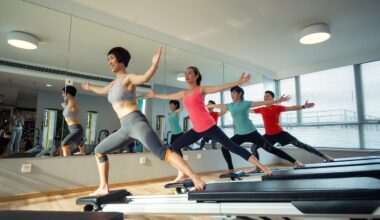
Cross-training is essential for anyone committed to preventing injury during HIIT. This training method, which involves engaging in a variety of exercises, can provide a well-rounded fitness experience. The aim of cross-training is to work different muscle groups and energy systems, helping individuals develop strength and endurance. When HIIT is the primary focus, the risk of repetitive strain injuries increases significantly. Thus, focusing on various cardiovascular activities through cross-training can help mitigate this risk. Excellent cross-training options include rowing, kickboxing, and resistance training, which can bolster muscle balance and overall fitness. Moreover, focusing on flexibility and mobility through yoga or pilates improves range of motion and reduces the likelihood of injury. Keep in mind that bodyweight exercises can also be used to improve overall strength. Formulating a weekly schedule can make it easier to incorporate cross-training into your routine. Aim for two to three days of different types of exercises per week, ensuring adequate recovery between HIIT sessions. This balanced approach will ultimately enhance your performance without compromising safety.
Proper warm-up and cool-down routines play a significant role in injury prevention when performing HIIT workouts. Warming up increases blood flow, elevates heart rate, and prepares the body for the demands of high-intensity training. A warm-up session should consist of dynamic stretching and low-impact movements that target the major muscle groups utilized in HIIT. For instance, consider performing leg swings, arm circles, or light jogging before jumping into high-intensity sessions. Cooling down after a workout is equally important, as it helps restore heart rate and relaxes the muscles, reducing soreness. Post-workout stretches are essential to maintaining flexibility and aiding recovery after intense sessions. Incorporating both warm-up and cool-down into your HIIT routine will not only improve performance but significantly reduce the chance of possible injuries. It’s crucial to remember that even elite athletes must prioritize warming up and cooling down. Prioritize these components as an integral part of your workout to maximize benefits and stay injury-free. An effective warm-up and cool-down routine will contribute to overall longevity in fitness training.
Professional Guidance
Consulting with fitness professionals for individual guidance enables athletes to design HIIT programs tailored to their specific needs. Personal trainers possess expertise in constructing balanced workouts that mitigate injury risks while effectively reaching fitness goals. For instance, they can help which exercises are more appropriate based on fitness levels and highlight proper techniques to execute each motion safely. Additionally, trainers can adapt workouts to maintain challenges without overwhelming the body. Hiring a professional may initially seem like an extra expense, but the long-term benefits of personalized training far outweigh the costs by reducing injury risks and enhancing performance. Fitness professionals can also provide motivation and accountability, which can play a significant role in maintaining a regular workout schedule. Whether through a face-to-face arrangement or online coaching platforms, tailored instruction accommodates busy lifestyles while receiving professional-level advice. Ultimately, nothing replaces the insights gained from experienced trainers, especially regarding performance improvement and safety during workouts, which should always be prime considerations when managing HIIT regimens.
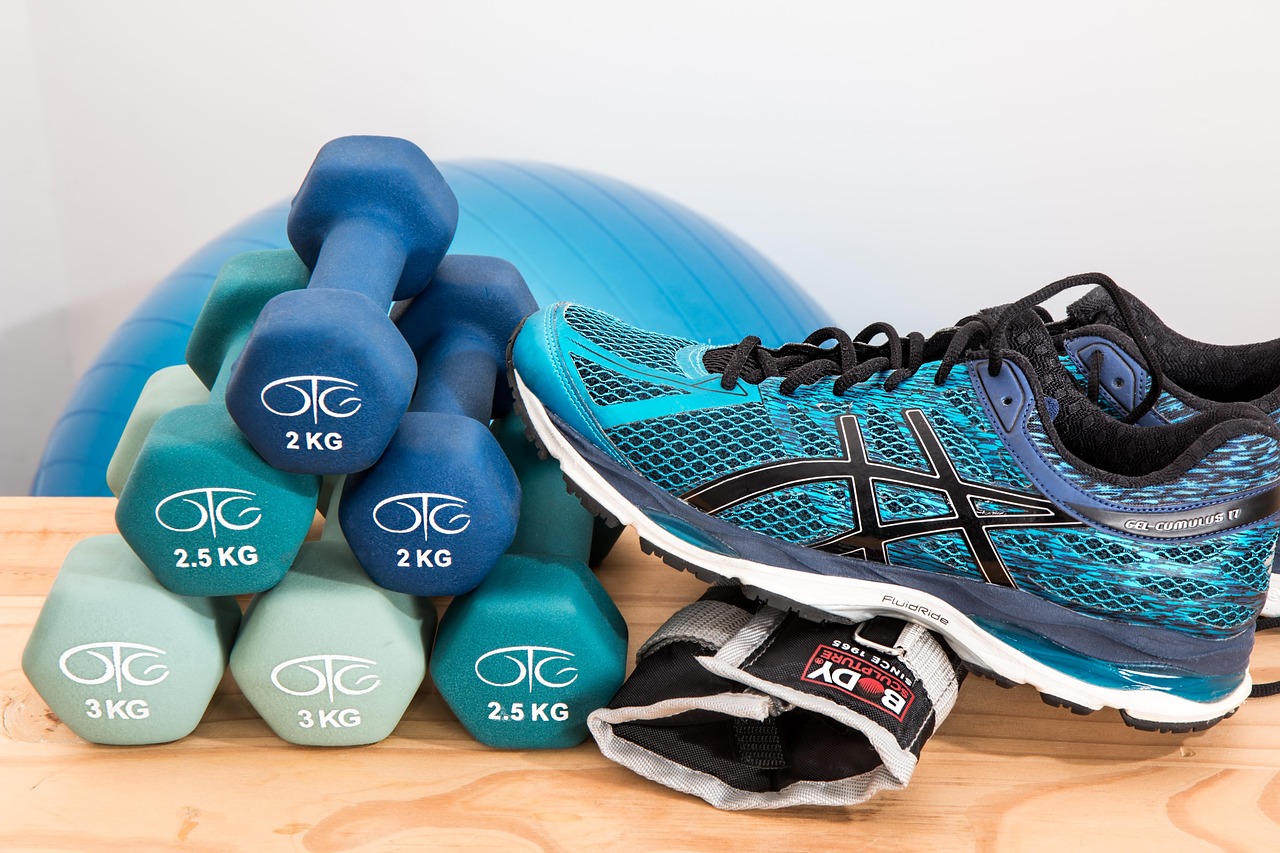
Another critical aspect to consider is the importance of having appropriate fitness gear and equipment when performing HIIT workouts. Wearing the right shoes designed for high-impact training can significantly reduce the risk of injuries such as plantar fasciitis or ankle sprains. Good athletic shoes provide essential support, cushioning, and stability when executing explosive movements often seen in HIIT sessions. Additionally, clothing designed for high-intensity workouts helps wick away sweat and keeps individuals comfortable during training. Consider investing in moisture-wicking fabrics that allow for breathability, which supports overall performance. It is also essential to ensure the workout environment is safe and well-maintained, as a stable surface will minimize the risk of slips and falls during exercises. Avoid training on uneven or slippery surfaces, and always check the equipment for issues before engaging in high-intensity workouts. Regularly maintaining your workout space can cultivate a safe environment, further reducing the likelihood of injuries that can hinder your fitness journey. Choosing the proper gear and maintaining a safe space creates a winning combination to support fitness goals.
Establishing a Recovery Plan
Establishing an effective recovery plan is crucial to balancing HIIT with other forms of exercise. After intense HIIT sessions, the body requires time to repair and recuperate to optimize performance and prevent potential injuries that could set back training progress. Implementing active recovery days, including engaging in low-intensity activities such as walking or light cycling, can support the healing process while maintaining an active lifestyle. Additionally, incorporating techniques such as foam rolling or massage may aid in alleviating sore muscles and enhancing blood circulation. Adequate sleep is essential to recovery, as it allows the body to repair itself. Ensure you consistently get high-quality sleep to optimize the recovery process and support better performance during both HIIT and other workouts. Furthermore, proper nutrition plays a pivotal role in recovery, emphasizing the importance of consuming protein and carbohydrates post-exercise to replenish energy stores and support muscle repair. By prioritizing recovery, athletes will develop a sustainable fitness regimen that enhances overall performance in HIIT and other forms of physical activity.
Conclusion: Safety First
In conclusion, adopting a holistic approach when incorporating HIIT workouts into your fitness routine greatly enhances safety and performance. Balancing high-intensity training sessions with low-impact exercises, cross-training, and adequate recovery time serves as the cornerstone of injury prevention. Listening to your body, consulting with fitness professionals, ensuring you wear appropriate gear, and prioritizing warm-up and cool-down sessions are significant steps to fostering long-term health and success in your fitness journey. Ultimately, embracing variety in your workouts not only boosts morale but also keeps motivation levels high, contributing to a positive exercise experience while exploring the many benefits HIIT offers. By practicing safety and awareness throughout your workouts, you lay the groundwork for sustainable fitness practices well into the future. Reap the benefits of both high-intensity and varied training methods as you strive to reach your goals. Remember to balance enjoyment with effort to prevent burnout and maximize performance over time.