
Eating on a Budget: Nutritious Foods for Home Exercisers
Eating nutritious foods on a budget is entirely possible with some planning and creativity. First, understand the importance of sticking to whole foods, which are not only affordable but also provide essential nutrients. Prioritize fruits and vegetables that are in season, as they tend to be cheaper and fresher. Additionally, consider buying in bulk to save money over time. Whole grains like brown rice and oatmeal are great additions to your diet; they are filling and provide sustained energy for your workouts. Make sure to also include protein sources such as beans, lentils, and eggs, all of which fit well into a budget-friendly meal plan. Creating weekly menus can help you avoid impulse purchases as you design meals around what you already have available. Keep track of your spending to find out where you can improve and save money without sacrificing nutrition. Finally, don’t forget to utilize discounts and sales at your local grocery stores. With just a bit of effort, nutritious eating and fitness don’t need to be a financial burden while enhancing your home workout routine.
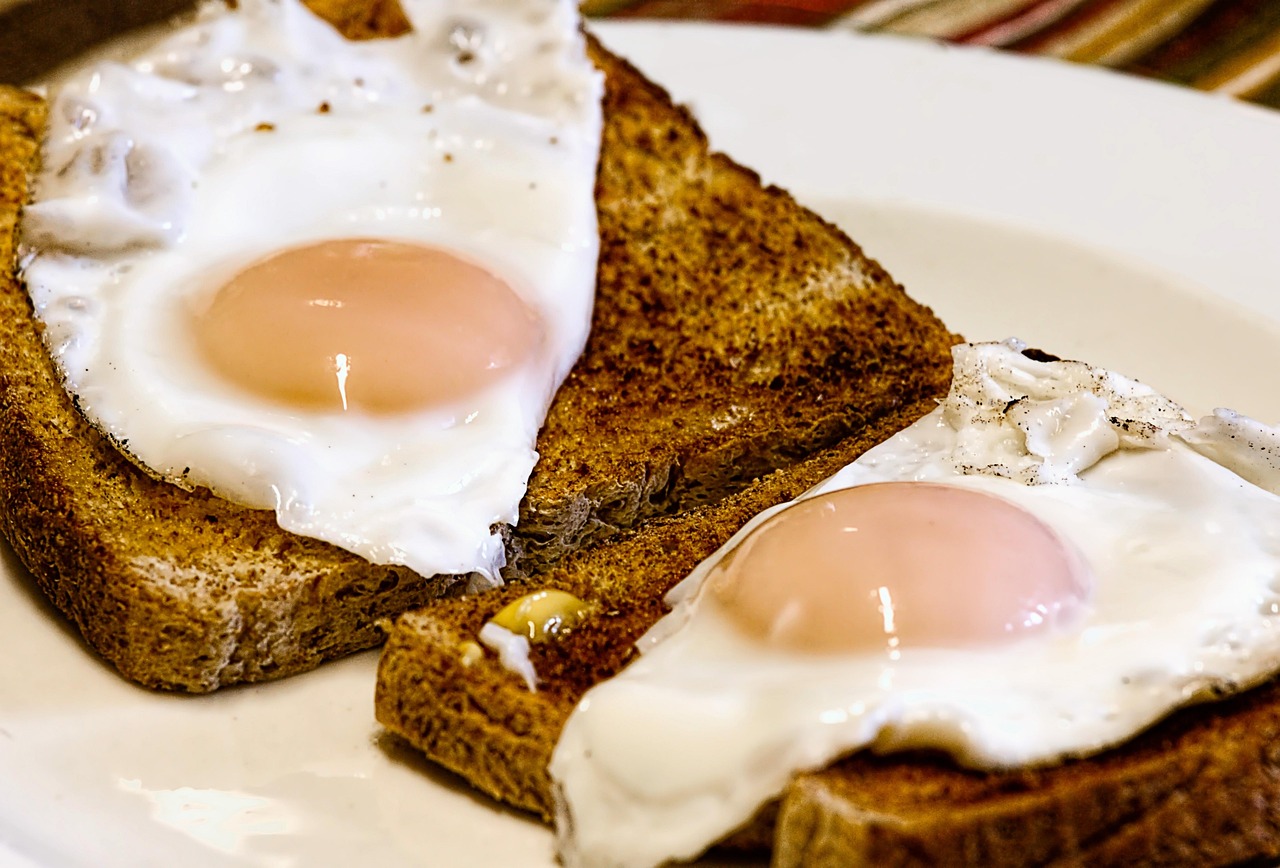
Next, let’s explore some budget-friendly meal ideas to support your exercise regimen. One great meal that’s both affordable and nutritious is a hearty vegetable stir-fry. Use seasonal vegetables and pair them with brown rice or quinoa for a filling option. Another idea is a veggie omelet, which is not only quick to make but also packed with protein. Just throw in some spinach, tomatoes, and onions to increase the nutrient density of your meal. Additionally, consider crafting homemade soups using dried lentils and various vegetables. Soups can be a great way to meal prep, as they keep well in the fridge and are easy to freeze for later. Lastly, creating wraps with whole-grain tortillas can be a versatile lunch option; fill them with any leftovers and add some hummus or avocado for healthy fats. To keep things exciting, rotate different ingredients and spices in your meals to avoid monotony. These meal ideas allow you to feel satisfied while ensuring you are well-fueled for your workouts without breaking the bank.
Smart Shopping Tips
Shopping smart is key to eating well on a budget. Start your journey by creating a shopping list before heading to the grocery store, which will help you focus on essential items and avoid unnecessary impulse buys. Always check for sales and discounts on items you regularly buy, and make it a habit to visit local farmers’ markets for fresh produce at lower prices than supermarkets. Don’t overlook discount stores, as they often carry nutritious items at significantly reduced prices. When buying packaged foods, read labels carefully to avoid purchasing unhealthy options that may cost less but ultimately harm your dietary goals. Keep an eye out for sales on frozen fruits and vegetables, which are often just as nutritious and allow for easy meal prep. Another smart strategy is to use loyalty programs and apps that offer cashback and rewards. These will help you save money over time while staying committed to a healthy diet. With these shopping strategies in place, you’ll easily create a well-rounded grocery basket that meets your nutritional needs without overspending.
Understanding nutritional value can help you make informed choices while shopping. For example, whole grains, compared to their refined counterparts, have more fiber and essential vitamins. Buying foods that are high in protein can keep you feeling full longer, reducing the temptation to snack on less healthy options. Look for items like Greek yogurt, chickpeas, and peanut butter that pack more nutrition per dollar spent. In addition, incorporate a variety of colorful fruits and vegetables into your meals; the different colors often represent various nutrients that support overall health, especially during home workouts. Incorporating healthy fats is as important as protein. Options such as avocados, nuts, and seeds provide necessary energy and can elevate your dishes. Also, don’t hesitate to explore different cooking methods, such as steaming or roasting, to enhance the flavor and maintain the nutritional value of your food. Each of these tips is designed to help you become more aware of what you’re putting into your body, enabling you to lead a healthier lifestyle while effectively managing your grocery spending.
Meal Prep Techniques
Meal prepping is an excellent strategy for saving both time and money. It allows you to prepare healthy meals in advance, avoiding the temptation of takeout or unhealthy snacks. Begin by dedicating a few hours each week for meal preparation, making sure to cook in bulk and divide servings into containers. This method not only ensures that you have nutritious meals ready but can also help control portion sizes. Start with staple ingredients like brown rice, quinoa, and grilled chicken; these can form the base of various recipes throughout the week. Also, consider preparing large batches of soups or stews, which can be easily reheated. Invest in quality storage containers that can keep your meals fresh throughout the week. When planning your meals, aim to balance proteins, fats, and carbs, so you get a well-rounded plate each day. Don’t forget to label containers with dates and contents to stay organized. Effective meal prep can lessen the stress of daily cooking, providing you ample time to focus on your workouts while ensuring proper nutrition.
When it comes to home workouts, maintaining hydration is also vital. Water is often overlooked but plays a crucial role in keeping your energy levels up and supporting muscle recovery. To make sure you’re drinking enough water, incorporate it throughout the day and consider flavoring it with fresh fruits for a refreshing twist. Herbal teas can also be a fantastic and inexpensive alternative, providing hydration along with additional health benefits. Lightly sweetening your beverages with natural sweeteners like honey can make them more enjoyable without adding refined sugars. Nutrition also includes timing your meals around your workouts. Try to consume a balanced meal containing carbohydrates and proteins an hour before exercising, this can provide the energy boost you need. After working out, focus on replenishing nutrients with a protein-rich snack or shake to begin recovery. Remember, being consistent with your hydration will enhance both your performance and overall health. Prioritizing hydration and nutrition will create a solid foundation for your home workout routine.
Conclusion and Encouragement
In conclusion, eating on a budget while maintaining a nutritious diet is achievable for home exercisers. By implementing these strategies, including smart shopping, creative meal prepping, and understanding nutritional values, you can eat well without overspending. Encouragement comes in small victories; celebrate the nutritious choices you make every day as each step leads you closer to your health goals. Embrace the journey rather than the destination. The time put into planning meals and making conscious choices will significantly enhance your fitness lifestyle. Focus on the upsides of cooking at home, such as knowing exactly what goes into your food and embracing healthier options. By being mindful of your shopping habits and investing your time wisely in meal preparation, you are taking important steps to improve your health and fitness. Have confidence in your ability to maintain a balanced diet while getting the most out of your workout sessions. Always remember, it’s about progress, not perfection. With dedication, you will see the results, making your efforts worth it.
Lastly, always keep in mind that it’s about making small habitual changes to your lifestyle. Replace sugary snacks with nuts or fruits; they are not only healthier but can be more satisfying as well. Lean proteins and legumes should be a staple in your diet, paired with whole grains and vegetables. Experiment with various spices and herbs to keep home-cooked meals exciting. The transition to a nutritious diet on a budget will take some time, but patience and persistence will yield long-term benefits. Consult online resources, books, or even dietitians for additional guidance on creating a budget-friendly meal plan tailored to your individual fitness goals. Whether you are focusing on weight management, muscle gain, or increasing your overall health, a well-rounded diet is pivotal. Don’t hesitate to engage with communities online that share similar interests; connecting with others can offers support and inspiration along your journey. Remember that nutritious eating is a lifestyle, and dedication to this will ultimately enhance your home workout experience.