
How to Balance Relaxation and Activity After Traveling
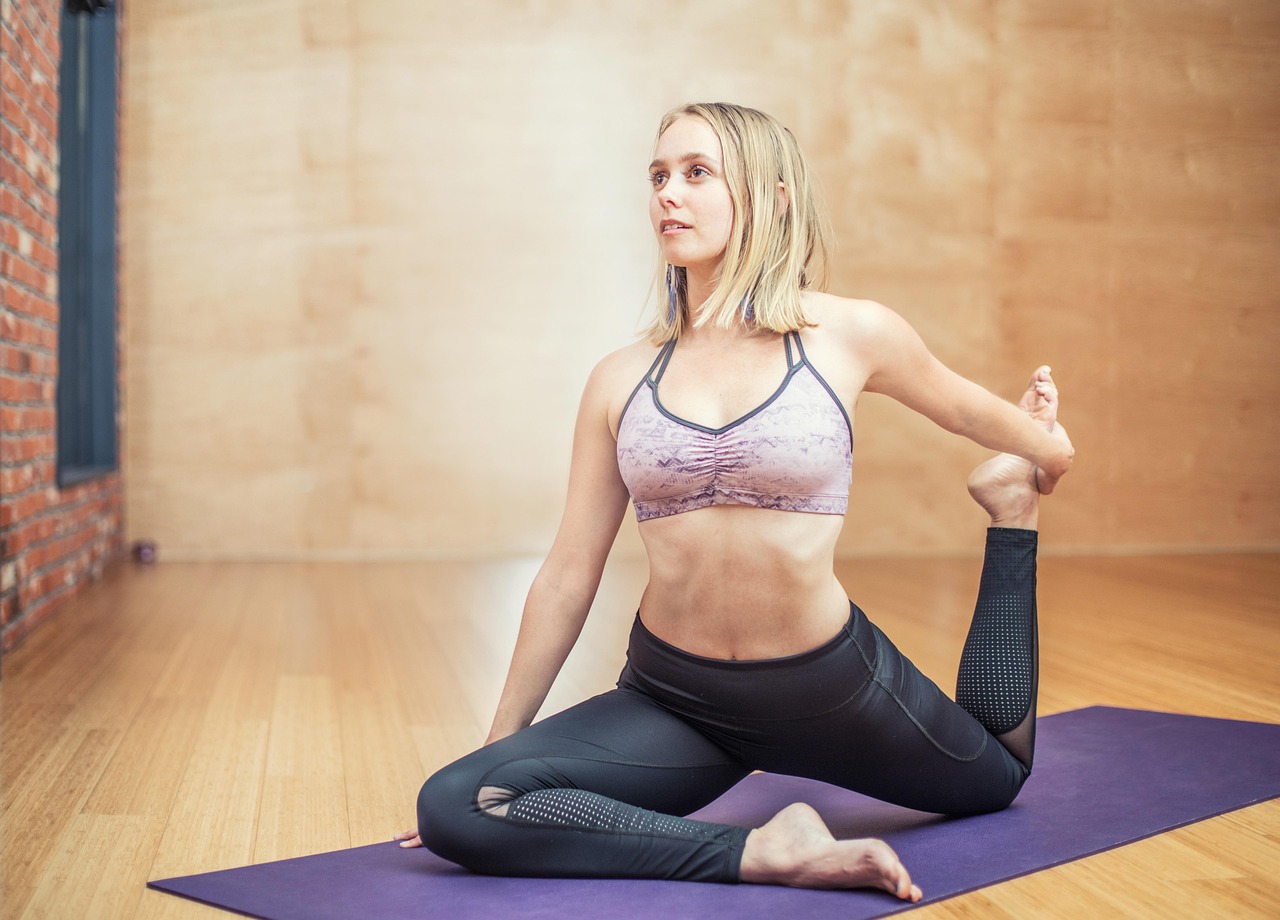
Traveling is often an exhilarating experience filled with exploration, adventure, and new discoveries. However, the aftermath of travel can leave individuals feeling fatigued, needing a balance between relaxation and activity. After returning, it’s vital to recover through practices that rejuvenate the body while maintaining some fitness levels. One effective way to begin post-travel recovery is by implementing light physical activities that align with personal preferences. Daily stretching helps alleviate muscle tension caused by prolonged sitting or unusual sleeping positions during the journey. Activities such as yoga or easy jogging foster relaxation while promoting blood circulation, which is crucial after long flights. Also, consider engaging in low-impact exercises like swimming or cycling, which can be enjoyable ways to stay active without overwhelming the body. Gradually increasing the intensity of workouts after the trip can ensure a smooth transition back to regular fitness regimens. Remember, every day counts towards recovery, and listening to your body is essential while plotting your route back to fitness as you pursue optimal wellness.
Hydration plays a crucial role in recovery as well. Often, travelers neglect their hydration needs while on excursions, which can lead to fatigue and discomfort. Focus on consuming plenty of water within the first few days upon returning home. This will not only help to flush out toxins from the body but also rehydrate tissues that may have become dehydrated during travel. In addition, incorporating hydrating foods into meals can also boost recovery efforts. Fruits like watermelon, cucumbers, and oranges are excellent options. Additionally, consider replenishing electrolytes, especially if consuming alcohol during the trip. A simple homemade electrolyte drink of water, salt, and sugar can aid significantly in the recovery process, re-establishing balance within the body. Eating balanced meals rich in whole grains, lean proteins, and vegetables can restore energy levels and ensure proper nutritional support. Avoid overeating or consuming heavy foods right after returning as this can impact digestion negatively. Instead, focus on wholesome, nutrient-dense foods that assist recovery while revitalizing your energy.
Prioritize Sleep for Recovery
Another critical factor in achieving post-travel recovery is prioritizing sleep. Jet lag and irregular sleep patterns often accompany international travel, leading to fatigue and decreased performance. To counteract these effects, establish a consistent sleep schedule to help reset your internal clock. Avoid engaging in stimulating activities one hour before bedtime. Establishing a calming pre-sleep routine can contribute to better sleep quality, such as reading a book or practicing meditation. Using dark curtains or sleep masks can also create a conducive sleep environment, blocking out unwanted light. Furthermore, controlling the room temperature can help in promoting deeper sleep cycles. Additionally, try to avoid caffeine and heavy meals close to bedtime as they can disrupt restful sleep. Limit electronics in the bedroom to minimize distractions, focusing instead on your restorative need for sleep. Adequate rest not only aids in physical recovery but also enhances mood and cognitive function, preparing you for the day ahead. Do not underestimate the power of sleep – it may be the simplest yet most effective remedy you can utilize.
Don’t neglect your social circle during your recovery phase. Connecting with friends and family can significantly enhance your emotional well-being after a trip, as it allows you to share experiences and excitement from your adventures. A simple coffee chat or friendly reunion can reenergize your spirit and enrich your mental health following travel stressors. If you find it challenging to shift from travel mode to everyday life, engaging in relaxed social activities can help ease this transition. Alternatively, consider joining group fitness classes like Zumba or Pilates to meet new people while staying active. Group environments can foster motivation and commitment to personal fitness goals. Additionally, this camaraderie can bring a new level of enjoyment to your workouts. Balancing fun and fitness during your recovery can rejuvenate your motivation for that post-travel workout routine you may struggle to jump back into. Remember, the journey back to regular fitness can be filled with joy when complemented by social interaction and shared experiences, enhancing your post-travel recovery positively.
Incorporate Mindfulness Techniques
Including mindfulness techniques can also significantly improve mental recovery after traveling. Mindfulness practices such as meditation, deep breathing exercises, or journaling can help to soothe the mind and release stress accumulated during travel. Allocate a few minutes each day to practice mindfulness; it can help you reconnect with your internal self, reducing any feelings of scattered energy. Engaging in creative activities, such as drawing or writing, can also facilitate emotional expression and mental clarity. Mindful eating practices will foster a more profound connection with food and health. Paying attention to hunger cues can improve nutritional choices, preventing post-trip overindulgence in comfort foods. The incorporation of yoga is also an excellent option, combining both physical activity and mindfulness, and can provide holistic benefits for recovery. Take the time to reflect on your travel experiences and how they have impacted your well-being through guided meditation sessions or group classes to cultivate this mindfulness approach. Sharing these reflections with a supportive community can also enhance your emotional recovery during this period of transition.
When considering post-travel fitness recovery, it’s essential to form a well-structured plan that acknowledges individual capability. Engaging in personalized fitness routines can provide an extra layer of accountability, ensuring regular activity. A tailored action plan might include a mix of light exercises, mindfulness practices, and social engagement activities. A well-rounded schedule assists in building a routine that eases the transition from travel relaxation to everyday productivity. Keep in mind that results might not be instantaneous, and temporary setbacks are normal. It’s important to maintain patience with yourself as you adapt to this renewed routine. Tracking your progress through journaling can be motivating, allowing you to visually appreciate your efforts. As you gradually increase your activity levels, stay aware of your body’s limits to avoid any unnecessary strain. Embrace the journey of recovery post-travel, focusing on small wins that build your confidence and motivation for a healthier lifestyle. Ultimately, this structured approach will lead to consistent recovery from journeys while harmonizing the need for relaxation and activities that keep you fit.
Embrace the Exciting Future of Travel
Finally, as you settle back into your daily routine, make exciting plans for your next adventure while allowing time for recovery. Embracing future travel can motivate staying active during recovery. Research potential destinations us should reintroduce into daily conversations, and investing time in planning upcoming trips can spark joy and enthusiasm for maintaining a healthy lifestyle. Balance is key, and recovering from your travels helps pave the way for yours. Consider setting goals, such as visiting specific locales or engaging in new activities during your next trip. Linking travel plans with personal fitness objectives can help integrate health consciousness into adventurous experiences. Cultivating a well-rounded fitness routine both at home and away enhances overall enjoyment during travel and enriches returned experiences. This connection between fitness and travel works reciprocally, supporting health while fostering an adventurous spirit. Ultimately, balancing relaxation and activity post-travel sets the stage for a bright, healthy future filled with memorable moments waiting for you to explore.
To summarize, balancing relaxation and activity after traveling is essential for overall recovery and well-being. Adopting a structured approach similar to the points above not only aids in physical fitness but makes the post-travel experience enjoyable and restorative. Through the integration of appropriate hydration, quality sleep, social engagement, mindfulness techniques, personalized fitness plans, excitement for future travels, you can enhance your recovery journey and ensure a smooth transition back to your daily life. Each aspect contributes to fostering a holistic recovery experience, turning your transition into a low-stress experience focused on health and joy. Prioritizing your well-being through these paths can motivate you to embrace fitness while enjoying life’s adventures during your travels and at home. Focus on creating habits that carry through both spaces and witness an eventual improvement in both physical health and emotional vitality. Celebrate your journey back to health post-travel, as it also includes celebrating the wonderful adventures that made it worthwhile. The balance between relaxation and activity is vital, elevating recovery beyond mere rest towards achieving wellness.