
The Power of Positive Thinking to Fuel Fitness in Older Age
As we age, maintaining our fitness becomes increasingly necessary. Emotional well-being plays a vital role in our motivation to remain active. Positive thinking acts as a crucial catalyst, enhancing our exercise experience and encouraging seniors to adopt healthier lifestyles. The mental shift that comes from a positive outlook enables older adults to recognize their strengths rather than focus on limitations. Regularly engaging in uplifting self-talk helps foster resilience and determination. For many seniors, the thought of exercising can be intimidating. However, recognizing the importance of setting realistic fitness goals can make this process manageable. Rather than aiming for drastic changes, older adults should focus on small, achievable milestones. Encouraging participation in group activities also fosters social connections, which tremendously boosts motivation. Additionally, creating a routine that allows for mindfulness practices can further empower older individuals to embrace fitness. This positive mindset leads to a greater willingness to try new activities and expand their comfort zones. Therefore, cultivating this mental attitude can significantly impact physical health, making it essential to emphasize positivity in fitness journeys.
Building a Support System
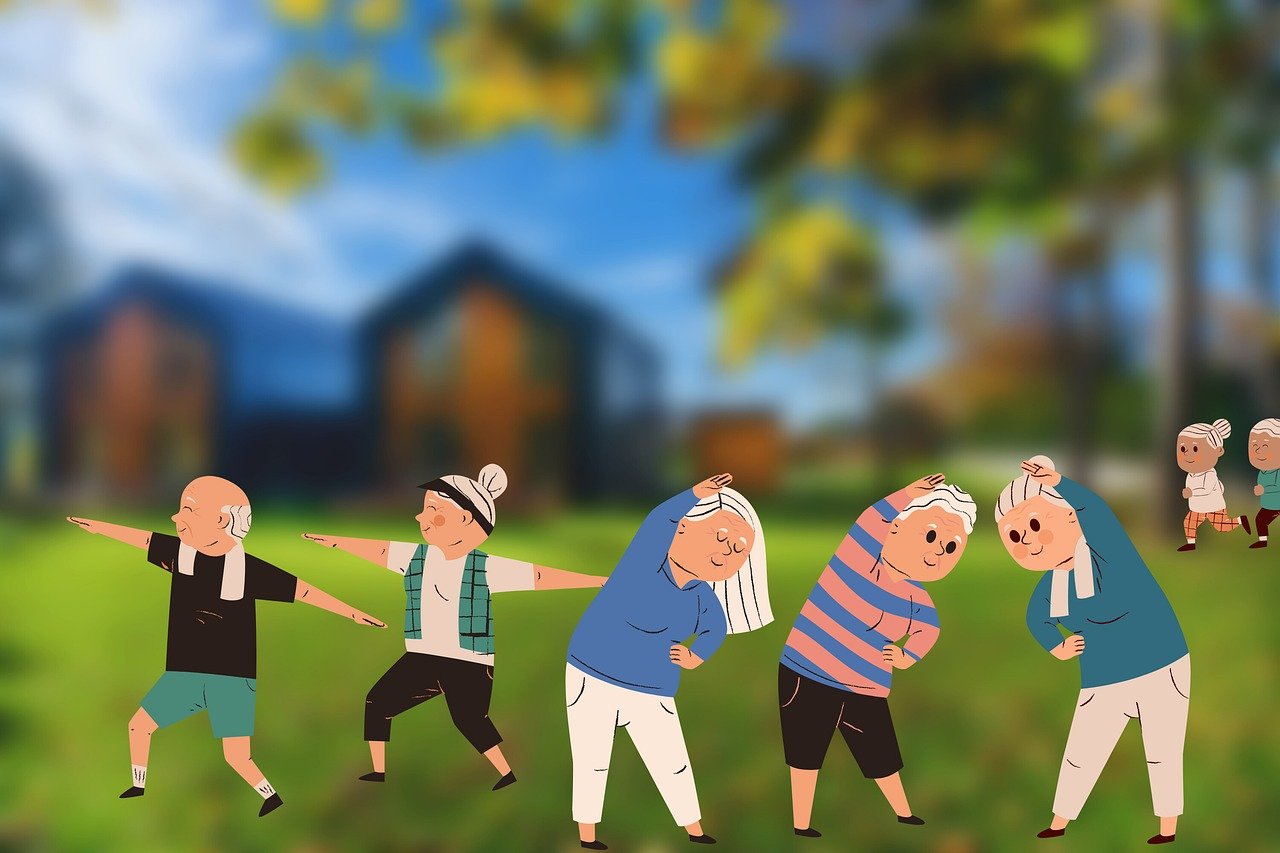
One of the key elements in motivating seniors for fitness is establishing a supportive environment. This involves engaging family members and friends to participate in shared fitness activities. Having a workout partner can significantly enhance accountability, making individuals more likely to stick with their exercise plans. Furthermore, joining local community groups or fitness classes designed for older adults helps create a sense of camaraderie that bolsters motivation. These social connections can reduce feelings of isolation, making the fitness effort feel less daunting. Additionally, it’s essential to choose activities that resonate with personal interests. Emphasizing the enjoyment of the activity over mere physical results encourages older adults to remain engaged. It can be helpful to explore various options, ranging from yoga to dance classes, to find what truly excites each individual. Through participation in enjoyable activities, seniors are more likely to maintain consistency in their fitness routines. Positive feedback and encouragement from social networks can reinforce their commitment. Establishing this supportive, dynamic network allows older adults to thrive in their fitness endeavors, enhancing their overall quality of life.
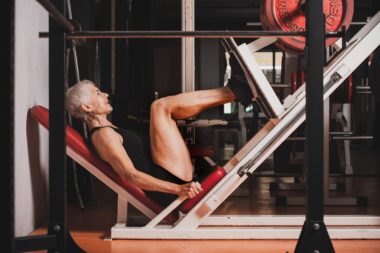
Setting realistic and achievable goals is paramount for motivating older adults in fitness. Establishing milestones allows individuals to track their progress and celebrate achievements. Small victories boost self-esteem and drive continued participation. Not every senior will be able to lift heavy weights or run long distances, so it is crucial to individualize fitness goals according to capabilities and preferences. Adopting a flexible approach ensures that individuals can modify their goals as needed, creating a sense of autonomy and ownership over the process. Incorporating variety into the fitness regimen also enhances motivation. Engaging in multiple forms of physical activity can prevent boredom, sustaining interest in exercising. Options can include swimming, walking, resistance training, or joining group classes. Also, encouraging seniors to listen to their bodies is important. Rest and recovery are integral parts of any fitness routine, especially for the aging population. Acknowledging one’s limits and allowing for breaks can help prevent injuries, ensuring a positive relationship with fitness. Ultimately, the combination of realistic goal-setting and flexibility is vital to creating a sustainable and enjoyable fitness journey for older adults.
Harnessing the Power of Mindfulness
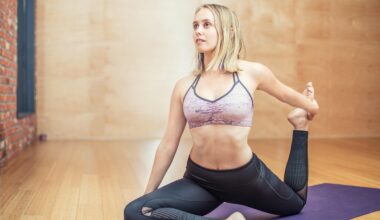
Mindfulness practices have emerged as a valuable tool for enhancing motivation in older adults. Engaging in activities that promote mindfulness, such as yoga or tai chi, can improve both physical and mental well-being. These practices help seniors focus on present moments, allowing them to fully experience exercise rather than view it as a chore. By fostering greater awareness of body movement and breath, mindfulness can lead to enhanced enjoyment of physical activity. In turn, this enjoyment boosts physical fitness commitment. Visualization techniques can also be effective; picturing oneself engaging in successful physical activities can reinforce a positive mindset. Throughout each workout, seniors can remind themselves of their progress, reinforcing thoughts of capability and strength. Building a mental image of the benefits that come from regular exercise, such as increased energy and vitality, serves as an effective motivational driver. As older adults continue to cultivate these practices, their attitude towards fitness evolves. With time and dedication, mindfulness fosters intrinsic motivation, making older adults more likely to prioritize their physical health and well-being throughout their later years.
In addition to creating a positive framework around fitness, incorporating elements of fun can enhance motivation significantly. Older adults benefit from playing games or undertaking challenges that engage both the body and mind. Participating in fitness-related games offers seniors the opportunity to bond with others, creating an enjoyable social environment. This approach can alleviate the pressure typically associated with traditional exercise routines. Additionally, engaging in friendly competition, such as walking challenges or community sports leagues, can encourage individuals to push beyond their perceived limits while fostering a sense of community. For many seniors, this gamified approach brings excitement and enthusiasm back into their fitness journeys. Making use of technology, such as fitness apps or online platforms, to track progress and connect with others can also bolster motivation. These tools often introduce an element of accountability while providing valuable feedback. As seniors observe their improvements and achievements, their motivation to continue working towards fitness goals increases. By injecting fun and creativity into exercise, older adults are likely to sustain their enthusiasm for maintaining physical fitness and exploring new activities.
The Importance of Nutrition
Nutrition plays a pivotal role in the motivation and success of older adults in fitness. As we age, our nutritional needs evolve, necessitating greater awareness of dietary choices. A well-balanced diet not only supports physical health but also enhances overall well-being, impacting motivation levels. Foods rich in vitamins, minerals, and antioxidants provide the energy needed for regular exercise. A balanced intake of proteins, healthy fats, and carbohydrates fuels the body, promoting optimal performance during workouts. Additionally, staying hydrated is essential for maintaining energy levels. Keeping water available during fitness activities is crucial for preventing fatigue and supporting physical endurance. Furthermore, engaging in mindful eating habits can help older adults cultivate a more positive relationship with food. This approach encourages seniors to savor each meal, fostering appreciation for nourishing the body. Seeking guidance from a nutritionist can provide tailored advice that meets specific requirements, ensuring optimal health. By prioritizing nutrition as a key pillar of their fitness journey, older adults find that their bodies are better equipped to handle physical activities, ultimately fueling their motivation to maintain fitness.
The journey of motivating older adults toward fitness entails a comprehensive approach that connects physical, mental, and emotional dimensions. It combines the power of positive thinking, social support, realistic goal-setting, and enjoyment of activities. By harnessing these elements, elderly individuals can foster a deeper sense of commitment to their fitness. A multidimensional strategy impacts not only fitness levels but also enhances overall quality of life. Through adapting to enjoyable routines, promoting camaraderie, and focusing on nutrition, older adults can redefine their aging experience. Emphasizing progress rather than perfection nurtures a healthy mindset, encouraging individuals to cherish every positive step taken. The synergy between self-belief and positive reinforcement builds a lasting motivation for physical health. This journey of fitness in older age encourages lifelong learning and personal growth, demonstrating that age is not a limitation but an opportunity for new beginnings. Ultimately, embracing fitness and cultivating positivity contributes to not just physical vitality, but an enriched emotional and mental landscape for seniors. Let us celebrate the power of positive thinking in fueling fitness for those in later life stages, creating vibrant, fulfilling lives filled with activity and joy.
In conclusion, the significance of motivation for fitness in later life cannot be overstated. By embracing a positive mindset, older adults can experience transformative changes in their lives. Approaching fitness with joy and openness encourages fuller participation in life’s activities, leading to a more enriched existence. Creating supportive environments and harnessing mindfulness practices ensures that individuals cultivate and maintain their motivation effectively. Moreover, balance in nutrition provides the fuel to support increased physical endeavors. Therefore, when seniors unite various positive elements, fitness becomes less of a chore and more of a rewarding journey. Through consistent engagement, older adults discover newfound strengths and capabilities, which can inspire others. Fitness serves not only the purpose of physical wellness but becomes a pathway to connection, fulfillment, and happiness. By investing in these aspects of their lives, older adults can embrace aging healthily and actively. As we celebrate the power of positive thinking in this journey, it is crucial to remember that maintaining motivation is a personal and highly individual experience. Everyone’s path differs, but the collective vision remains; fitness enriches life, regardless of age or physical ability.