
Breaking Down the Scoring System in Judo Competitions
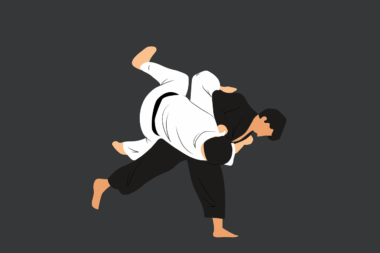
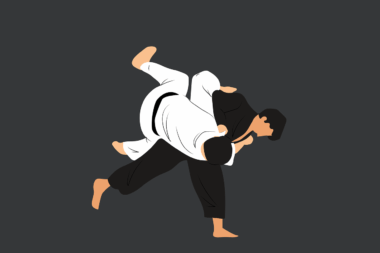
Understanding the scoring system in Judo is vital for participants and fans alike. Judo, a traditional Japanese martial art, has specific criteria for scoring that dictate the outcomes of matches. The primary objective in a Judo match is to throw the opponent onto their back, a technique known as an “ippon”. Achieving an ippon leads to an immediate victory. Additionally, the scoring system incorporates other techniques, like a “waza-ari”, which is awarded for less decisive throws. Two waza-ari scores equate to one ippon, thus offering a strategic layer to competitive Judo. Scoring means evaluating the effectiveness and control demonstrated during the match. Judges analyze various forms of attacks and counters, making scoring a nuanced task. Points can also be awarded for pins, joint locks, or strangles, which add more depth. Therefore, each move matters and contributes to the defensive or offensive stance of the contestants. Learning how these points are awarded can enhance viewing experiences and engagement with the sport, making it essential knowledge for those interested in both practicing and spectating.
In Judo, the weight division plays a significant role in the scoring process for competitions. Each weight class involves distinct participants competing for a chance to score points. It is crucial to ensure fairness and equality across the board, and the scoring system takes this into consideration. Competitors are divided into various categories, such as under 60 kg, under 73 kg, and so on, allowing evenly matched opponents to contest. This division helps maintain equity during matches, as athletes compete against others of similar size and strength. Moreover, different classes may have different strategies based on weight, where lighter individuals might rely more on speed and agility. Understanding how these categories affect the scoring process can significantly impact a competitor’s strategy and performance. The same throw executed by an athlete from a lighter division may have varied impacts when performed by heavier participants. This nuance contributes to the complexity of scoring in competitions, influencing how referees assess techniques applied in the matches. Therefore, observing competitors under the same weight division showcases a more accurate representation of Judo skills and their resultant effectiveness in winning matches.
Types of Techniques and Their Scoring
When breaking down the Judo scoring system, comprehending the different types of techniques is crucial. Judo includes a range of techniques categorized into throws, pins, and submissions. Each technique has specific criteria for earning points. As mentioned earlier, achieving an ippon is the highest form of scoring. However, it is essential to recognize the importance of “waza-ari” and “yuko” scores, which are also significant. A waza-ari indicates a throw that displays near success but does not land completely on the back. This score reflects good control and balance, resulting in half the points of an ippon. The yuko is a lower score, typically awarded for various effective techniques. Applying effective tactics during matches can lead to accumulating points from these various techniques. A judoka may choose to alternate between different scoring methods to maximize their point total. The interplay between these techniques demonstrates the strategy among the contestants. An athletic performance heavily influences these classifications, and skillful execution of throws and holds can distinguish a competent competitor from one who merely meets the criteria.
The role of referees in scoring Judo matches cannot be understated. Referees are trained professionals who diligently oversee the match progression and scoring. Their judgments significantly impact the match outcome, requiring a solid understanding of the rules and techniques being demonstrated. A referee pays close attention to the actions of the athletes, ensuring each technique is scored fairly according to its effectiveness. The responsibilities of referees include signaling scores and awarding points, as well as minimizing injuries by monitoring illegal moves. Depending on their performance, referees can declare ippons, waza-aris, and other valid actions, depending on what they observe on the mat. Referees must make split-second decisions during a match, heightening the need for consistent training and continuous rule updates. Understanding the role of referees adds an additional layer to Judo competitions. With that in mind, judoka should maintain awareness of the referees’ positioning and potential scoring during their performance. Judges also confer with each other for consistency in decisions, leading to an overall fair and organized competition atmosphere that maintains the integrity of the sport.
Strategic Implications of Scoring
Another essential aspect of scoring in Judo is the strategic implications it carries. Athletes must be aware of the scoring system’s intricacies to devise appropriate techniques. Knowing that securing an ippon results in an instant win might drive competitors to focus on cleaner throws and tighter controls. Yet, when facing a difficult opponent, judokas may opt for a waza-ari score instead to build a point lead and pressure the opponent into making mistakes. Conversely, athletes trailing on the scoreboard may need a higher risk approach, targeting ippons to reclaim victory. Furthermore, understanding the varying impacts of scores across different weight divisions can also affect competitive strategies. For example, a heavier judoka might prioritize strength-based throws while lighter opponents may rely on swift maneuvers. By analyzing opponents and the match landscape, competitors can make informed decisions to maximize their scoring chances. Ultimately, fostering awareness of scoring ramifications can lead to breakthroughs in performance, offering participants new methods of tackling opponents. In Judo, being a strategic thinker in addition to a skilled practitioner is crucial for attaining competitive success.
Competitions often feature a complex interaction between scoring systems and regulations that can leave new participants puzzled. However, knowledge of these rules can propel performance levels significantly. Participants should review governing rules set by organizations like the International Judo Federation (IJF), which specify precise scoring criteria. Familiarity breeds confidence, allowing athletes to implement techniques more effectively during matches. If competitors know the criteria for scoring ippons, waza-aris, and Yukos, they can adjust rapidly. Training programs often emphasize understanding these regulations, but real-time application is critical for success. Each athlete’s focus should encompass technical proficiency and strategic adaptability involving the scoring process. Additionally, training with higher-level peers can aid in comprehending competition dynamics, resulting in seamless execution during events. Awareness of how to manage score accumulation and adjust tactics per match situation correlates strongly with performance. In learning Judo, mastering the scoring system is fundamental. Athletes must constantly adapt to the nuances of the competition while showcasing their skill to judges, ensuring their best chance of emerging victorious. Knowledge of the scoring and judicious application are part of the path to proficiency in Judo.
Conclusion and Future of Judo Scoring
In conclusion, understanding the scoring system in Judo significantly enhances both competitor and spectator experiences. Knowledge of categories such as ippon, waza-ari, and yuko is essential for all involved in the sport. Strategic implications stemming from scoring decisions dictate athletes’ behaviors during competitions. Continually engaging with governing organizations’ rules can help improve practice methodologies especially as Judo evolves. Judges and referees play an indispensable role in ensuring fair scoring outcomes, providing consistent evaluations of the techniques performed. For athletes, skills development requires thorough preparation and deep comprehension of the judicious use of techniques leading to effective scoring. Moving forward, as Judo continues to grow globally, the scoring system may see adaptations aimed at promoting fair competition. Equally important is fostering new generations that appreciate Judo’s rich history, its scoring systems, and application techniques. As fans and coaches prioritize knowledge-sharing, the art of Judo can thrive through competition and communal understanding. The future endeavors in Judo scoring systems will not only influence athletic performance but also promote the sport’s global vision in martial arts and self-defense applications.
Long-term engagement and development will solidify Judo’s place in the landscape of martial arts. Advocating for further education and clearer communication about scoring among participants will amplify the sport’s appreciation. By employing modern technologies like video analysis and enhanced training tools, both athletes and coaches can examine performance in greater depth. Judo’s scoring system must evolve to remain relevant, providing a framework for assessing competitors fairly and accurately within more dynamic environments. By adapting to contemporary educational methods, participants can ensure a greater understanding of scoring implications. Future dialogues within the global Judo community can impact how assessments are made, pushing the sport into new horizons. Knowledge exchange can foster innovation that benefits competitors and spectators alike while elevating the essence of Judo competitions. Facilities, workshops, and seminars focusing on scoring procedures can foster a culture of continuous improvement, building networks of engaged practitioners. Ultimately, the journey of Judo extends beyond the area of competence; it encompasses learning and building an engaging community, promoting constructive growth and fostering a spirit of understanding. In navigating these evolving dimensions, scoring can remain an integral component of Judo’s enduring legacy.