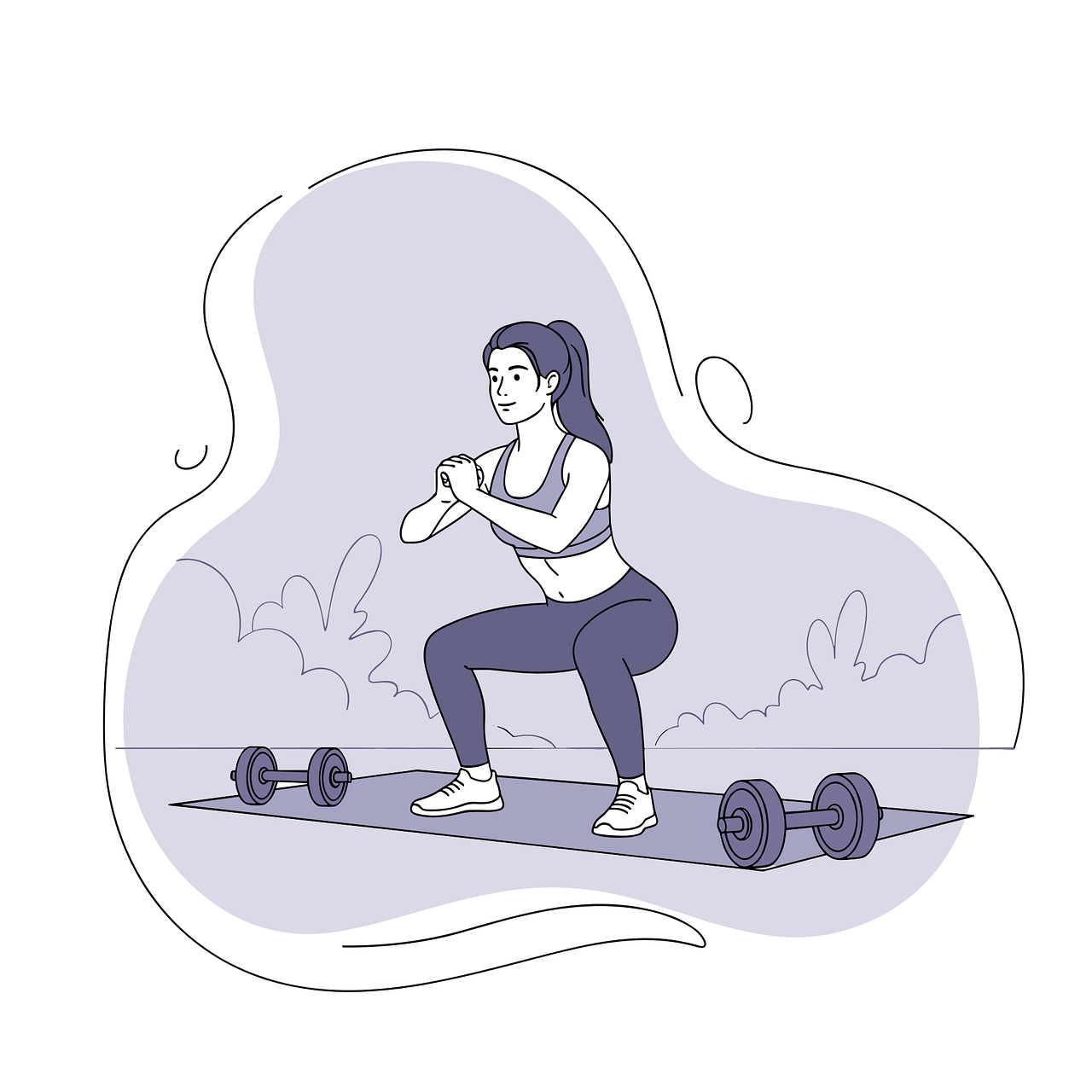

Benefits of Bodyweight Strength Training Over Traditional Weights
Bodyweight strength training has numerous benefits that often outweigh the advantages of traditional weight training. For starters, it significantly enhances flexibility and balance, which are vital components of overall fitness. Each exercise requires not only strength but also stability, engaging multiple muscle groups simultaneously. This multi-joint movement coordination leads to improved functional strength and athletic performance. Moreover, it can be performed almost anywhere, making it incredibly convenient for people without access to a gym. Being able to train outside or at home encourages a more consistent workout routine. Additionally, bodyweight exercises are gentle on the joints, reducing the risk of injuries commonly associated with lifting heavy weights. When performed with proper technique, they can develop strength without the strain. Anyone from beginners to advanced athletes can benefit, as modifications can make exercises simpler or more challenging. Lastly, incorporating bodyweight training leads to better muscle endurance and cardiovascular health, which are essential for overall fitness.
Unlike traditional strength training that often focuses solely on muscle hypertrophy, bodyweight exercises promote overall body conditioning and weight management. This type of training typically elevates heart rates more effectively due to its often dynamic and compound nature. Think of exercises like push-ups, squats, and planks, which engage large muscle groups while increasing cardiovascular output. Enhanced aerobic capacity accompanies strength improvements, allowing you to perform better in other physical activities. This dual benefit is particularly important for individuals seeking to maximize their workout efficiency. Additionally, the body’s natural weight provides ample resistance, eliminating the need for gym equipment. Thus, it also encourages a more holistic approach to fitness, emphasizing core strength, balance, and agility. Sessions can be tailored towards specific goals, whether it’s increasing reps for endurance or progression towards advanced moves like handstands. Moreover, the vast variety of bodyweight exercises means boredom can be minimized while keeping workouts fresh and exciting. By introducing different movements regularly, there are always challenges to conquer, maintaining motivation.
Cost-Effectiveness of Bodyweight Training
Cost-effectiveness is another substantial advantage of bodyweight strength training compared to traditional weightlifting routines. Standard gym memberships can be expensive, and purchasing home gym equipment requires a significant financial commitment. In contrast, bodyweight training requires minimal or no investment, making fitness accessible to everyone. You can perform these exercises using just your body, a sturdy chair, or a wall. This approach eliminates barriers for those on a budget or who prefer to exercise in a private or communal environment. Additionally, you don’t have to worry about maintenance costs or replacing equipment that wears out over time. The only investment of significant value is your time and effort towards your training goals. There are countless online resources, such as videos and apps, offering guidance for free, allowing for a structured approach without added expenses. This accessibility ensures that everyone, regardless of financial status, can engage in physical fitness. This democratizes health and fitness, equipping individuals to create their own workouts from various bodyweight exercises, thereby enhancing their workout experience.
Another noteworthy benefit is the versatility of bodyweight exercises. Unlike traditional weights that may limit movement patterns, bodyweight training allows for a vast range of motions and can be tailored to fit individual needs. You can mix and combine movements to create unique workouts, targeting various muscle groups while keeping it interesting. Changes can be made to the intensity, speed, and duration of exercises to match personal or fitness level objectives. Additionally, it accommodates dynamic movements that improve agility, speed, and coordination. On days when you feel tired or not at your peak, exercises can be modified to be less intense yet still effective. Furthermore, group training can also be easily adapted into circuit workouts, encouraging fun interactions and challenges among friends and family. This flexibility not only provides opportunities for development but also builds a stronger community around fitness. Integrating bodyweight workouts into existing routines ensures continuous progress in fitness without becoming stagnant.
Building Functional Strength
Bodyweight strength training excels at building functional strength, which is the ability to perform everyday activities with efficiency and ease. Traditional weight training often targets isolated muscles, but many bodyweight exercises engage multiple muscle groups, making them far more applicable to real-world movements. For example, a squat mimics sitting, standing, and climbing stairs, whereas a push-up develops upper body strength for pushing motions encountered in daily life. By focusing on these natural body movements, strength training enhances physical performance in everyday activities, thus promoting overall quality of life. Improved strength from bodyweight exercises is a building block for other physical activities too. Athletes of varying sports have wholeheartedly embraced bodyweight strength training to enhance their performance. This encompasses improving running, swimming, cycling, and many more disciplines effectively. That’s why more fitness enthusiasts are integrating bodyweight routines into their training regimens as they recognize the enhanced mobility, coordination, and strength for practical applications. Bodyweight training cultivates longevity and stability, making well-rounded training vital.
Engagement with bodyweight exercises also fosters a deeper connection with one’s own body. While lifting weights often requires focusing solely on the amount of weight lifted, bodyweight training encourages increased mindfulness. Being aware of body positioning and movement efficiency is essential. This poise during training leads to enhanced body awareness, helping participants understand their limits effectively and execute exercises with better technique. Moreover, improved body awareness can reduce the likelihood of injuries. As practitioners become attuned to their bodies, they will likely identify regions of tension or imbalance that need attention. This awareness extends beyond workouts, helping individuals incorporate better posture and movement patterns into their daily routines. Enhanced body awareness supports long-term health benefits, especially in daily movement and activity. This inner connection also contributes to emotional well-being as individuals feel accomplished when they can successfully complete challenging bodyweight exercises. In turn, this can create a positive feedback loop, fostering motivation to keep exercising and improving overall fitness and health.
Community and Motivation
Lastly, bodyweight strength training encourages a strong sense of community and can heighten motivation. As more people gravitate towards this method, whether through social media or fitness groups, they find support and encouragement from like-minded individuals. Online platforms now offer virtual communities where enthusiasts can share tips, successes, and challenges, creating accountability and positive reinforcement. Joining group workouts enhances the experience further, as it often generates camaraderie and collective motivation. Pairing up with friends or family members fosters an environment of encouragement while pushing each other to achieve personal goals. Such interactions can make workouts enjoyable, underscoring the social aspect of fitness. Those invested in community-based training often discover a more rewarding experience—people are more likely to stick with their programs when they feel connected to others. On top of this, friendly challenges can emerge, adding an exciting layer to the training. Ultimately, connecting with others while practicing bodyweight exercises creates a stronger, more motivated approach to fitness.
In conclusion, bodyweight strength training presents compelling benefits over traditional weightlifting. It emphasizes convenience, cost-effectiveness, and versatility—all factors that enhance the workout experience. This method cultivates functional strength applicable in daily life, while promoting physical and emotional well-being. As more people seek to integrate fitness into their lives, bodyweight training can be adapted for individuals at all levels, making it accessible and engaging. Enhancing muscle endurance and conditioning alongside core strength becomes key, while fostering community motivates individuals to stay committed. Building strength through bodyweight exercises is as much about discipline and mindfulness as it is about technique. This form of training supports longevity, active lifestyle participation, and balances enjoyment with challenge. With endless workout variations constantly evolving, the benefits of bodyweight training will continue to resonate through the fitness community at large. Everyone can reap the rewards of improved strength without the exclusive reliance on traditional weights.