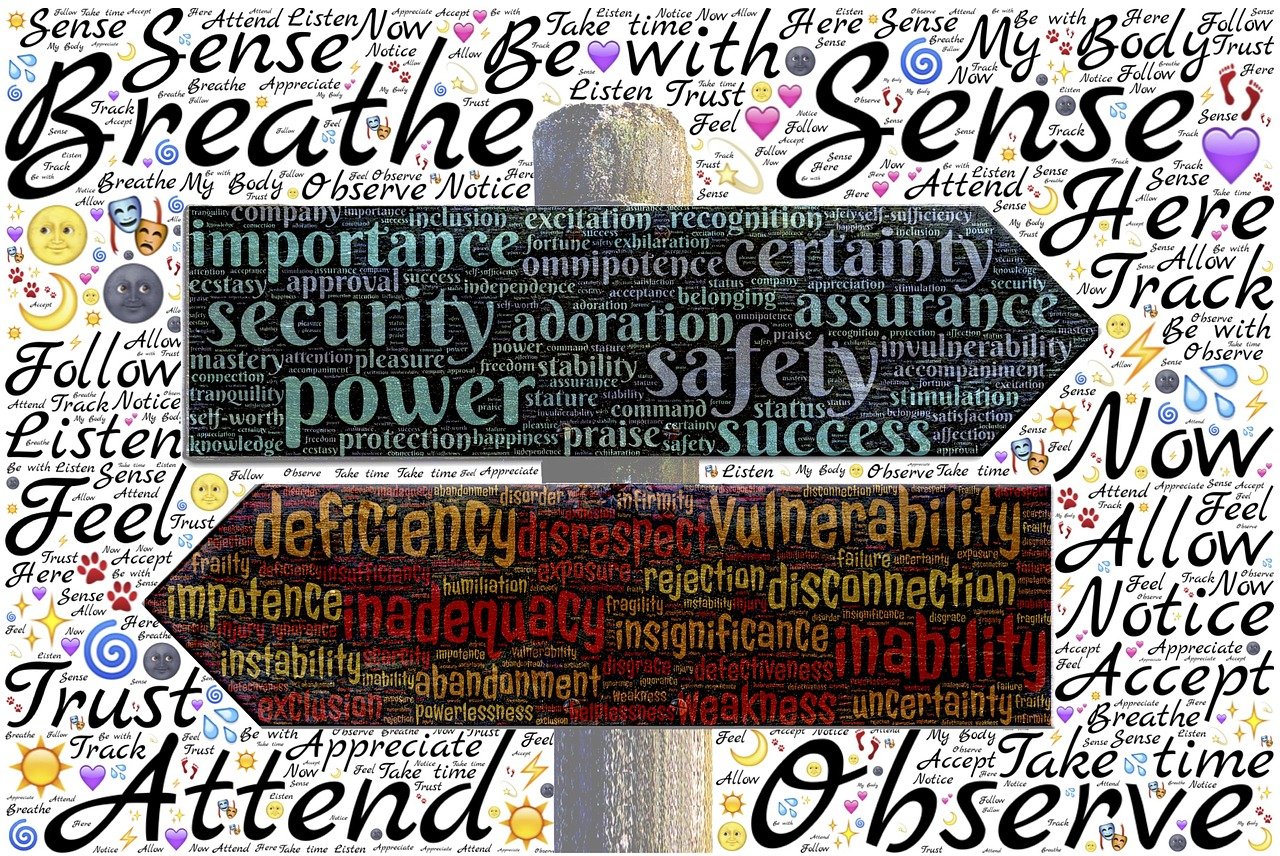

Using Breath Awareness to Balance the Nervous System
Breath awareness plays a vital role in achieving emotional and mental balance within our daily lives. Practicing intentional breathing can directly influence the autonomic nervous system, which regulates our body’s involuntary functions. By paying attention to our breath, we can cultivate a deeper connection with ourselves and our surroundings. This method encourages mindfulness and allows us to become more present in each moment. When we focus on our breath, we signal our mind to shift out of a state of stress and into relaxation. Techniques such as deep belly breathing, box breathing, and alternate nostril breathing can serve as effective tools for achieving this balance. Implementing breath awareness into our routines can dramatically enhance our overall well-being. Numerous studies have shown the effectiveness of these practices in reducing anxiety and promoting calmness. Making breath awareness a habit allows us to respond to stressors more healthily, fostering resilience against challenges. Through consistent practice, we can nurture better emotional regulation and a heightened sense of clarity in our thoughts.
Integrating breath awareness techniques into one’s daily routine can seem challenging at first but becomes easier with practice. A beneficial approach is to set aside a few moments each day for conscious breathing. This can be done during moments of stillness or even while performing routine tasks. Taking a few deep breaths while waiting in line or during a meeting can help reset emotional states and increase focus. For instance, when faced with overwhelming feelings, a simple five-minute breathing session may provide clarity. Ensure to dedicate time specifically for breath awareness, finding a comfortable space where one can relax. It can be helpful to combine meditation with focused breathing to enhance the experience. For beginners, guided sessions available in apps or online can provide structure. Starting with just two to five minutes daily can lead to significant improvements over time. Remember, the goal is not to change the breath but to observe it. This non-judgmental observation serves as a basis for improved self-awareness. Ultimately, as dedication grows, so may one’s capacity to handle life’s demands more efficiently.
Types of Breathing Techniques
There are numerous techniques aimed at enhancing breath awareness, and understanding each can facilitate a more balanced nervous system. One popular method is diaphragmatic breathing, which focuses on engaging the diaphragm for deeper inhalation. This type of breathing directly reduces heart rate and promotes a sense of calm. Another effective technique is box breathing, where one inhales, holds, exhales, and holds the breath for equal counts. Each segment of this practice retrains the body to manage stress levels. Alternate nostril breathing is beneficial for promoting mental clarity and emotional stability. Finally, the 4-7-8 breathing technique encourages rhythmic inhalation and exhalation, allowing for deep relaxation. These methods vary in complexity and effectiveness depending on individual circumstances. Incorporating different techniques into daily practice can be advantageous. It is essential to explore various options to see what resonates most. Moreover, consistency in practice enhances the efficacy of these techniques. By varying one’s approach, it can reduce monotony and maintain engagement, ultimately leading to deeper benefits. Finding the right balance may take time but is worth the effort to achieve optimal health.
Listening to the body’s signals is key when practicing breath work. Each individual’s response to different techniques may vary, requiring personal experimentation to understand what works best. It is vital to approach these practices without expectation or pressure. Gradually increasing breath awareness enables a deeper understanding of personal needs, and this sensitivity can lead to profound insights. Notice how each technique alters emotional states or physical sensations. Connecting with the breath can serve as a valuable tool for self-discovery. This awareness can also improve overall mental health and resilience. Moreover, incorporating these techniques in various situations, such as stressful meetings or before bed, can yield significant results. Practical applications of breath work during distressing moments can recalibrate emotions. For instance, before responding in a heated discussion, pausing for a few breath cycles can lead to more thoughtful communication. Regular practice fosters a more profound connection between mind and body, reinforcing the benefits of breathing. Ultimately, developing this awareness can support personal growth while enhancing relational dynamics and emotional responses in everyday life.
The Science Behind Breath Awareness
Scientific research increasingly supports the benefits of breath awareness on our physical and mental beings. Studies reveal that intentional breathing techniques can lead to measurable physiological changes. Regular practice can decrease cortisol levels, lowering stress responses in the body. This reduced stress contributes to overall health improvements, decreasing the risk for various chronic ailments. Importantly, scientists have observed that breath-focused practices can enhance heart rate variability, which is vital for emotional regulation. Higher heart rate variability indicates a balanced autonomic nervous system, allowing for better adaptability during stressful periods. While historical records of breath work date back for centuries, modern science continues to validate these ancient practices. Exploring the effects of breath awareness through scientific inquiry enlightens its role in mental health. As researchers delve deeper into the connection between breath and brain function, the implications for therapies and self-care increase. People are encouraged to embrace these techniques and integrate them into clinical practices. Overall, understanding the scientific basis behind breath awareness can further motivate individuals to engage in these transformative practices, enhancing quality of life.
Maintaining breath awareness isn’t solely about structured techniques; it also involves mindfulness throughout daily activities. Engaging in regular practices increases awareness and encourages deeper connections to the present moment. Whether walking, cooking, or working, being conscious of one’s breath can foster a sense of calm. To enhance mindfulness during these activities, consider taking note of breath patterns and adjusting them to promote relaxation. Simple adjustments, like lengthening exhalations, may support a more peaceful mindset. Elevating awareness beyond designated practice intervals encourages breathing lessons to integrate seamlessly into life. Also, consider using reminders throughout the day to check in with your breath. This can involve setting short alerts to prompt a mindful moment. Accepting changes in breath patterns over time can also illustrate personal growth and emotional shifts. Additionally, journaling about these experiences may provide further clarity and insight into personal responses to various situations. Overall, cultivating breath awareness should feel natural and adaptive to existing life circumstances. As one progresses with mindful breathing, it can enhance the quality of each moment, leading to a balanced lifestyle.
Conclusion: Embracing Breath Awareness in Daily Life
By embracing breath awareness, individuals can potentially transform their lived experiences and emotional responses. Integrating breath techniques into daily routines fosters resilience while reducing anxiety levels. As one becomes more skilled at recognizing the breath, the ability to self-regulate increases significantly. Exploring and practicing these various techniques empowers individuals, allowing them to manifest their best selves effectively. No one method works for everyone, but understanding personal preferences can facilitate ongoing exploration and discovery. Immediate benefits of breath awareness often involve decreased stress and improved mental clarity, while long-term effects contribute to overall health improvements. Developing consistent practices in a supportive environment can significantly enhance journey outcomes. Overall, learning to observe and adjust one’s breath can create positive ripple effects throughout our lives. Incorporating mindful breathing into moments of challenge or throughout daily tasks can lead to meaningful changes over time. As individuals prioritize breath awareness, they actively take steps toward holistic well-being, cultivating a more balanced nervous system and emotional stability. Making this practice a part of everyday life can profoundly impact mental, emotional, and physical health, enriching each moment.