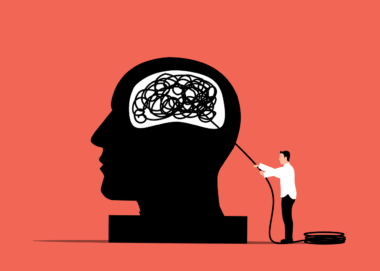

Natural Remedies for Stress Management in Holistic Health Approaches
Stress is a prevalent issue affecting many individuals today. Exploring natural remedies can significantly enhance stress management. Holistic health approaches, which consider the whole person, offer various techniques for reducing stress. Methods such as mindfulness, meditation, and herbal treatments are valuable. Emphasizing natural remedies allows individuals to harness the power of nature while promoting overall health. Incorporating these approaches can lead to healthier outcomes, not just for the mind but also for the body. Understanding how nature interacts with our bodies gives us insight into efficacious solutions. For those seeking alternatives to pharmaceuticals, natural remedies provide a path worth exploring. They can lead to long-term change when aligned with a holistic lifestyle. The goal is to create enduring practices that resonate on both physical and emotional levels. Whether it’s through dietary changes, herbal infusions, or relaxation techniques, these natural remedies empower individuals.
Herbal remedies are a fundamental aspect of stress management. Specific herbs are well-known for their calming effects. For instance, chamomile, known for its soothing properties, helps reduce anxiety when consumed regularly. Another powerful herb is lavender, utilized in aromatherapy or teas for promoting relaxation. Passionflower is also noteworthy, often included in anxiety-relief supplements. Incorporating these herbs into daily routines encourages a mindful approach to self-care. Additionally, adaptogenic herbs like ashwagandha are gaining popularity for their ability to support stress resilience. These natural solutions work with the body’s systems without impairment. They complement yoga and meditation, promoting a comprehensive stress management strategy. Utilizing these herbs daily can nurture a sense of well-being. Natural remedies aren’t merely alternatives; they serve as integral components of a balanced lifestyle. Understanding the benefits and uses of these herbs empowers individuals to take charge of their mental health.
The Role of Nutrition in Stress Management
The foods we consume can significantly impact our stress levels. A well-balanced diet enriched with whole foods can bolster mental health. Nutrient-dense foods, particularly those high in antioxidants, support brain function. Additionally, omega-3 fatty acids found in fish combat inflammation, directly linked to stress. Incorporating colorful fruits and vegetables into meals introduces essential vitamins. Foods rich in magnesium, like nuts and dark leafy greens, help regulate cortisol, the stress hormone. Maintaining stable blood sugar levels contributes to emotional stability throughout the day. On the other hand, processed foods can exacerbate stress and anxiety symptoms. Thus, selecting whole foods over processed alternatives is crucial. Hydration also plays an essential role in mental clarity and emotional well-being. By making smarter nutritional choices, individuals can support their bodies in managing stress effectively. This approach complements other holistic practices and creates a stronger foundation for mental resilience.
Physical activity is paramount in any holistic stress management plan. Engaging in regular exercise releases endorphins, which are known as the body’s natural mood lifters. Activities like walking, jogging, or yoga can alleviate stress and boost overall well-being. Yoga combines physical movement, controlled breathing, and meditation, helping individuals cultivate mindfulness. The mindfulness aspect fosters heightened awareness of bodily sensations, particularly emotions. Additionally, consistency in exercise routines enhances quality sleep, restorative for both mind and body. Group activities, such as dance classes or team sports, also allow for social connections, combating the isolation often felt during stressful periods. Finding an enjoyable form of exercise encourages sustainability in this practice. Creating a balanced routine that includes various activities can contribute to long-term stress reduction. Thus, those searching for natural remedies should consider incorporating physical activity regularly into their lives. Embracing a physically active lifestyle aligns with holistic health principles and can lead to lasting change.
The Power of Relaxation Techniques
In our fast-paced world, relaxation techniques are crucial for managing stress effectively. Techniques like deep breathing, progressive muscle relaxation, and visualization allow individuals to disconnect from their daily pressures. Deep breathing exercises initiate a relaxation response, slowing heart rates and reducing anxiety. Progressive muscle relaxation involves tensing and releasing muscle groups, which promotes physical and mental relief. Visualization techniques encourage individuals to imagine peaceful settings, providing an escape from stressors. Regular practice of these relaxation techniques can build resilience over time. Setting aside a few minutes each day to relax can lead to significant benefits. Mindfulness meditation, where a person remains present, further enhances emotional regulation. Creating a calming routine that incorporates these exercises is essential for holistic health. People often find that a few minutes of focused relaxation can lead to a more productive day. These techniques are accessible; no specialized equipment is needed. Overall, practicing relaxation techniques fosters a healthier relationship with stress, empowering individuals on their wellness journey.
Sleep is often overlooked when discussing stress management; however, it’s a crucial element for mental health. Quality sleep is essential for brain function and emotional regulation. Poor sleep can heighten stress levels, leading to a vicious cycle. Therefore, establishing a bedtime routine is pivotal for enhancing sleep quality. Techniques such as avoiding screens before bedtime, keeping the bedroom dark and cool, and practicing relaxation exercises can improve sleep. Additionally, herbal teas like chamomile can promote a calming pre-sleep ritual. Adopting sleep hygiene practices contributes positively to overall health and stress reduction. Ensuring adequate rest enhances focus and equips the mind to handle daily challenges. This, in turn, allows individuals to manage their emotions better during stressful situations. Understanding the importance of sleep within a holistic approach to stress management reinforces its significance. Prioritizing restorative sleep pays dividends in every aspect of life, creating a balanced and healthy individual. Overall, integrating sleep into stress management can transform one’s approach to wellbeing.
Integrating Mindfulness in Daily Life
Mindfulness can transform the way individuals approach stress management. This practice fosters awareness of the present moment, allowing individuals to respond rather than react to stressors. Simple techniques such as mindful eating, where individuals focus on their meals, can create appreciation for food and enhance the eating experience. Additionally, mindful walking or practicing gratitude can shift perspective throughout the day. Incorporating mindfulness into everyday activities renders them more enjoyable, fostering a positive mindset. Finding ways to embrace mindfulness encourages individuals to be connected with their thoughts and feelings. This conscious awareness allows for understanding one’s stress triggers and responses. Apps and resources exist to guide individuals on their mindfulness journey, making it accessible for everyone. Furthermore, incorporating mindful breaks into work routines can rejuvenate the mind and improve productivity. Regular practice ultimately leads to reduced anxiety levels and a greater sense of well-being. Thus, mindfulness serves as a vital component in a holistic approach to stress management.
In summary, utilizing natural remedies for stress management is an effective strategy within holistic health approaches. Each component discussed, from herbal remedies to mindfulness techniques, plays an essential role in promoting well-being. The journey toward reducing stress is individualized, allowing people to explore what resonates with them best. By integrating nutritious foods, regular exercise, relaxation techniques, and adequate sleep, individuals can develop a comprehensive plan for managing stress. Moreover, the importance of community support cannot be overstated; sharing experiences and solutions fosters connection. Understanding one’s own needs and listening to the body leads to greater awareness and response. As stress becomes an undeniable part of life, equipping oneself with natural remedies is essential. Ultimately, a commitment to exploring these holistic techniques empowers individuals. The path to stress management through natural remedies combined with holistic practices can lead to a more relaxed and fulfilling life. This multi-faceted approach is a gift we can give ourselves, leading to a deeper connection with our mental health.