
Using Mediterranean Diet Principles for Long-Term Weight Maintenance
When embracing weight loss strategies, the Mediterranean diet proves effective due to its health benefits and sustainable approach to eating. This diet emphasizes whole foods, incorporating fruits, vegetables, whole grains, legumes, nuts, and olive oil, which are all nutrient-dense. Unlike fad diets, the Mediterranean diet focuses on portion sizes rather than restricting entire food groups. By encouraging a balanced intake, this diet helps in maintaining weight loss in the long run. It promotes a variety of foods that contribute to satiety, making it easier for individuals to adhere to their dietary goals. Moreover, the Mediterranean lifestyle includes social interactions centered around meals, which enhances the enjoyment of food and encourages mindful eating. Regular physical activity is also a core component, making it a holistic approach toward weight management. Individuals who adopt this way of life can benefit not only from weight control but also from improved overall health, reducing the risk of chronic diseases such as heart disease and diabetes. Such a balanced approach makes sustainable weight management realistic and enjoyable, offering long-term success in achieving health goals without the sense of deprivation often associated with dieting.
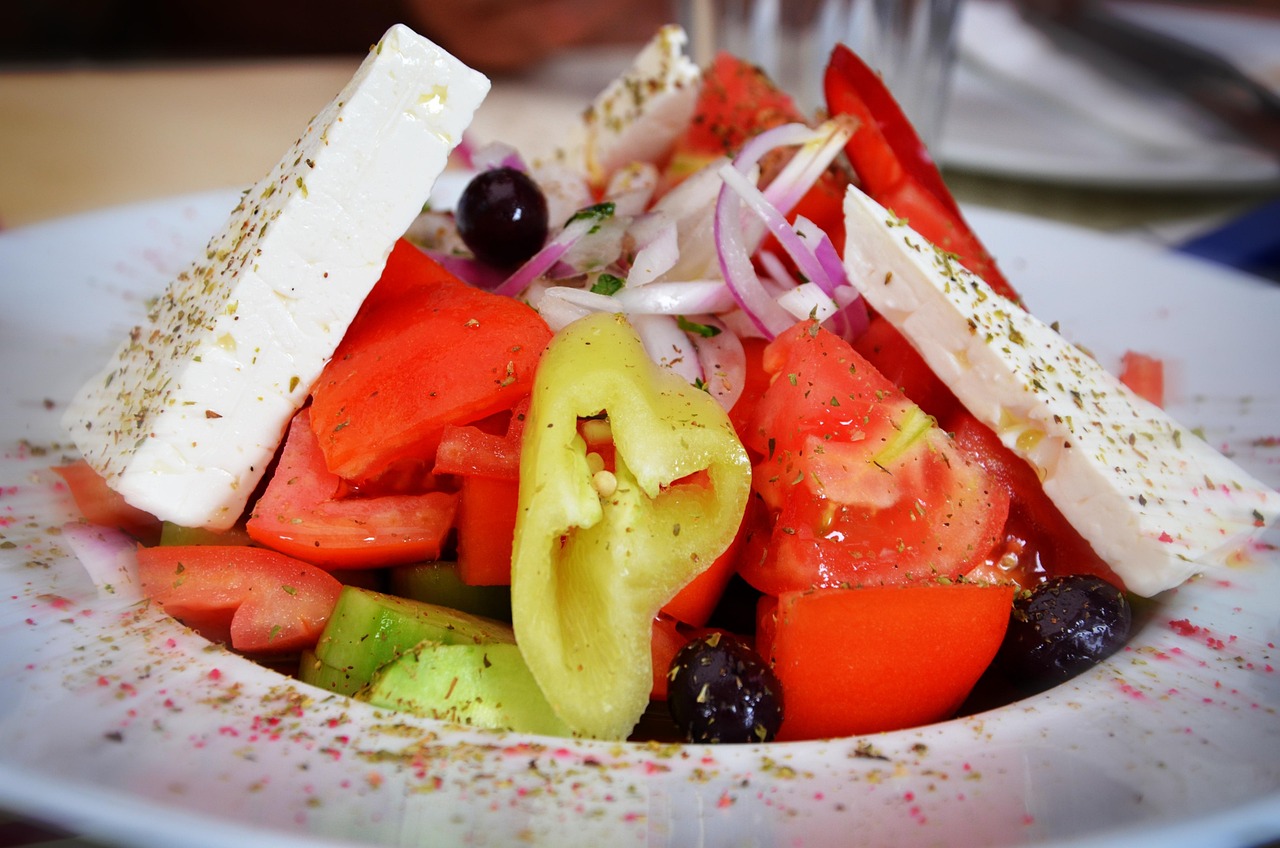
Building on the Mediterranean diet’s efficacy, understanding its principles can further enhance weight maintenance. Seasonal eating is one fundamental aspect, encouraging individuals to consume foods that are locally sourced and in season. This practice often leads to more flavorful and nutrient-rich meals while supporting local economies. Incorporating a variety of colors on your plate is vital, offering an array of vitamins and minerals. Think about filling your plate with greens, reds, yellows, and purples. It’s about enjoying the diversity of what nature provides, which can keep meals interesting and beneficial to health. On top of that, moderate wine consumption, particularly red wine, can complement meals, providing antioxidants that aid in health. However, it is important to emphasize moderation, with one glass typically recommended for women and two for men. Consuming wine can enhance the dining experience but should be accompanied by awareness of overall calories, especially when considering weight control. Additionally, the Mediterranean diet encourages sharing meals with family or friends. This social aspect can improve mental wellbeing and help individuals resist the impulse to eat mindlessly when alone, further supporting healthy patterns of eating.
Boosting Weight Loss through Traditional Mediterranean Foods
The Mediterranean diet is rich in foods like fish, which are packed with omega-3 fatty acids, beneficial for heart health and weight loss. Incorporating fish into weekly meals can provide protein while keeping saturated fat low. Consider variety in fish, selecting from options like salmon, sardines, and mackerel to ensure a rich tapestry of nutrients. Moreover, legumes such as lentils and chickpeas play a vital role in providing plant-based proteins and fiber, both essential for satiety. These foods, combined with whole grains, create balanced dishes that promote lasting fullness. Additionally, nuts and seeds contribute healthy fats and can serve as a great snack, balancing blood sugar levels and curbing hunger. This nutrient-dense approach allows flexibility within the diet while promoting a lower caloric intake without feelings of deprivation. Fresh herbs and spices replace heavy sauces, adding flavor without excess calories, further supporting weight management goals. Emphasizing such ingredient choices can significantly influence both weight and overall health, creating meals that are satisfying, delicious, and aligned with the Mediterranean principles of eating for longevity and vitality.
To ensure weight maintenance beyond initial weight loss, incorporating meal planning can significantly bolster success. Planning meals ahead of time helps in making healthier food choices, as it reduces impulsive eating driven by hunger and cravings. Preparing food in larger batches and freezing portions can save time while ensuring readily available nutritious meals. Focus on creating balanced meals that include complex carbohydrates, lean proteins, and healthy fats. This approach not only saves time but also minimizes the temptation to resort to convenience food, which may be unhealthy. Scheduling weekly grocery trips around the planned meals enhances adherence and prevents overbuying items that may lead to spur-of-the-moment unhealthy choices. By dedicating time to meal preparation, individuals empower themselves to embrace healthier foods and resist diet-breaking temptations. Additionally, involving family members in meal planning can promote a communal approach to eating healthfully while gathering around the table. Sharing responsibilities can help reinforce healthy eating habits for all family members, ensuring that everyone benefits from these mindful practices and enjoys the overall process of eating together.
Exercise: A Fundamental Element of the Mediterranean Lifestyle
Regular physical activity is another principal factor for weight maintenance outlined in Mediterranean traditions. Exercise complements the dietary aspects, promoting overall wellbeing and supporting weight management. Whether through structured workouts, walking, or social activities, staying active is woven into daily routines. Opting for walking or biking instead of driving can integrate more physical movement into a person’s lifestyle effortlessly. Activities such as dancing, gardening, or even traditional Mediterranean pastimes encourage enjoyment and physical fitness simultaneously. Building these habits fosters a love for movement rather than viewing it as a chore. Engaging in fitness activities socially can motivate individuals to stick with their routines, turning exercise into an enjoyable, communal experience. The Mediterranean culture places value on family and community interaction, making it easier to find motivation and accountability in workouts. Combining such social aspects with exercise can lead to enhanced physical and mental health, reducing the likelihood of reverting to unhealthy habits after weight loss. Ultimately, regular physical activity accompanied by a healthy diet paves the way for longevity, energy, and a balanced lifestyle conducive to lasting weight maintenance.
Maintaining awareness around portion sizes, especially when it comes to beloved Mediterranean foods, is crucial for lasting weight management. Even healthy foods can contribute to weight gain when consumed in excess. Understanding serving sizes, particularly for high-calorie items like nuts and oils, ensures that moderation is practiced. Small adjustments such as using smaller plates and mindful eating practices can further control calories. Taking time to savor food and appreciate flavors can enhance satisfaction while preventing overeating, as it gives the body time to signal fullness. Mindful eating encourages individuals to notice hunger cues and recognize when they are satisfied, promoting a more intuitive approach to food consumption. This is critical for long-term weight maintenance, as emotional or mindless eating often leads to excess calorie intake. By fostering a positive relationship with food, individuals can find balance and enjoyment without guilt, thus alleviating the pressure often associated with dieting. A strong connection with the Mediterranean lifestyle, characterized by enjoyment, moderation, and community, can lead to a healthier relationship with food, enabling individuals to thrive in their weight maintenance efforts.
The Role of Support Networks in Weight Maintenance
The importance of social support networks cannot be underestimated in achieving sustainable weight loss and maintenance. Encouragement from friends, family, or weight loss groups can foster an engaging environment for individuals striving to maintain their goals. Sharing experiences, challenges, and successes helps reinforce commitment, acting as a cushion against setbacks. Having peers to share healthy recipes or provide accountability makes it easier to stay on track with dietary choices. Participating in group activities, whether workout classes or cooking sessions, can transform weight loss into a social endeavor rather than a solitary task. Many Mediterranean communities embody this principle of connectedness through meal sharing and collaboration in cooking. Such cultural practices can ultimately create a supportive framework that promotes healthier behaviors. The emotional benefits of a nurturing support system also play a crucial role, as they can provide encouragement during difficult times. By surrounding oneself with positive influences and establishing connections, it becomes easier to navigate the challenges of maintaining a healthy lifestyle. Building a community around shared goals leads to not only physical wellbeing but also a deeper sense of belonging.
Ultimately, embracing the Mediterranean diet extends beyond food choices to create a lifestyle that supports long-term weight maintenance. Its balance of healthy eating, physical activity, and social interaction fosters not only weight loss but also overall health improvement and happiness. By prioritizing whole foods and mindful eating, individuals can achieve a sustainable approach to their weight goals. The vibrancy of Mediterranean meals, filled with color and flavor, transforms the process of healthy eating into a pleasurable journey rather than a restrictive obligation. Incorporating regular exercise as a joyous activity, adaptive to individual preferences, ensures that it remains an integral part of daily life, thus enhancing consistency. Furthermore, leveraging the power of community boosts morale and creates an encouraging atmosphere that supports ongoing commitment to health. Ultimately, the Mediterranean approach cultivates a comprehensive wellness model based on balance, enjoyment, and social connections that can lead to lasting results. As individuals adopt these principles, they can not only maintain their weight but lead healthier lives realistically, in line with their values and lifestyle choices, ensuring a journey of lifelong wellbeing.