
Enhancing Team Cohesion Through Group Mindfulness Practices
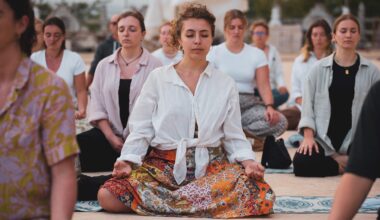
In recent years, mindfulness has emerged as an essential practice for athletes seeking to improve both performance and mental health. When athletes participate in group mindfulness practices, they engage in shared experiences that foster a sense of belonging and understanding. By emphasizing collective breathing exercises, guided meditations, and reflective discussions, groups can cultivate an atmosphere of trust and companionship. Such a supportive environment allows each team member to feel valued, leading to enhanced collaboration and communication. Furthermore, as these practices become integral to team routines, they establish common goals and create a unified mindset that can translate into improved performance on the field. Moreover, the practice of mindfulness encourages awareness and acceptance of personal strengths and weaknesses. As individuals confront their challenges in a safe space, they can better appreciate the contributions of their teammates. This camaraderie is vital, especially during high-pressure situations where team dynamics can make or break an athlete’s performance. Overall, integrating mindfulness into fitness routines promotes emotional intelligence and resilience within teams, leading to greater success both on and off the field.
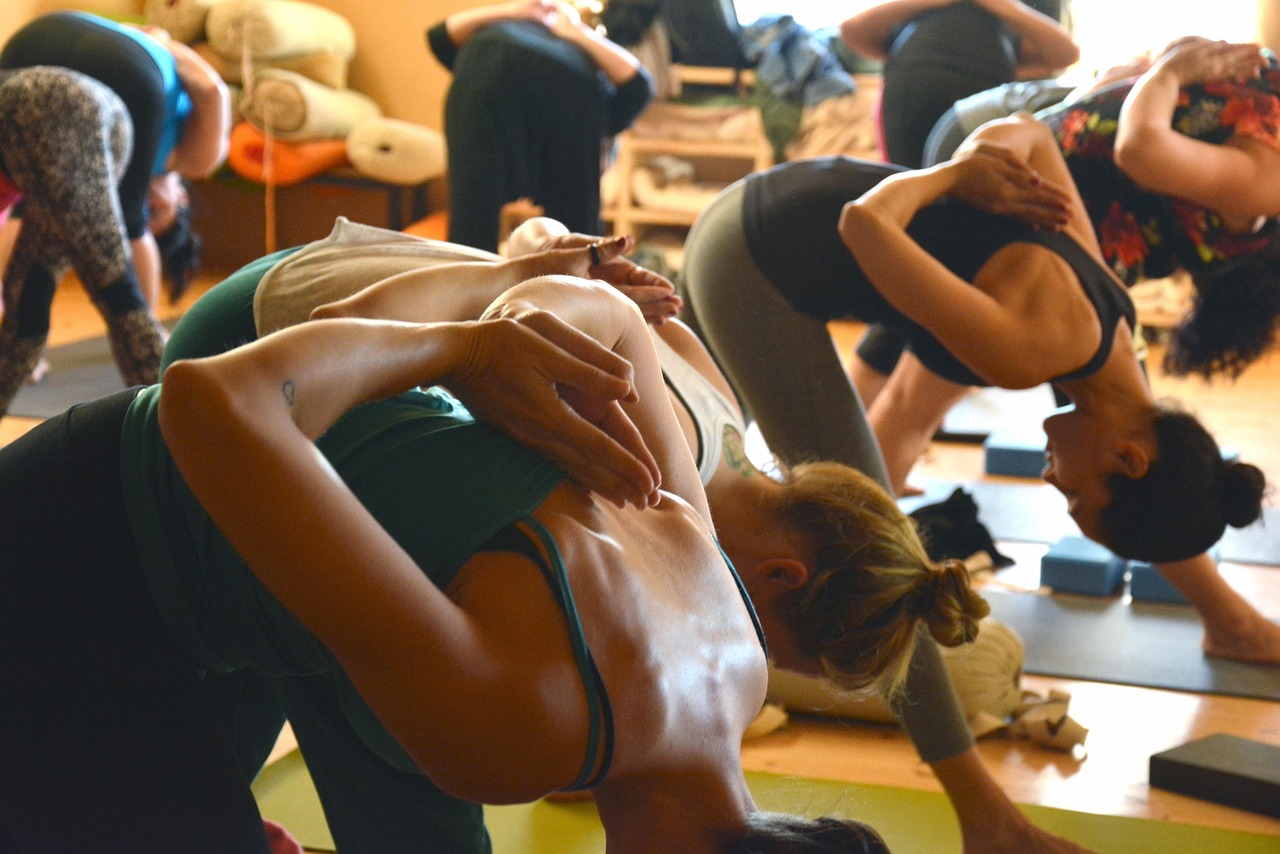
The incorporation of group mindfulness practices into athletic training sessions offers a valuable opportunity for teams to enhance their mental resilience. Through consistent mindfulness exercises, athletes learn to manage stress and anxiety more effectively, empowering them to perform under pressure. For example, team-building activities, such as group breathing exercises or visualization techniques, can bring members closer while promoting a calm state of mind. These practices not only help athletes focus on their personal performance but also encourage them to remain attuned to the dynamics of the team. As athletes cultivate these skills, they become more adept at supporting their teammates during challenging moments. Furthermore, participating in such activities collectively fosters a culture of accountability and encouragement. When athletes engage in mindfulness as a unit, they are better equipped to communicate openly and honestly about their experiences. This leads to a stronger relational foundation and a shared commitment to personal and team goals. Additionally, by collectively setting intentions or affirmations during mindfulness sessions, teams create a collective vision, anchoring their focus on shared objectives. In this way, group mindfulness transcends traditional workouts, contributing significantly to the overall well-being of the squad.
The Scientific Basis of Mindfulness
Research has illustrated that mindfulness can yield impressive benefits for athletes and teams alike. Mindfulness practices reduce stress levels, improve concentration, and foster positive relationships. When group mindfulness is practiced, brain activity demonstrates increased connectivity in regions related to empathy and emotional regulation. Consequently, athletes become equipped to handle competitive pressures with greater ease. The effects of mindfulness can be observed in physical performance as well; studies show that athletes who engage in regular mindfulness exercises report improved focus during critical game situations. This heightened presence of mind allows athletes to make quicker and more informed decisions during competitions. Furthermore, the positive outcomes are not limited to performance alone; mindfulness develops skills in self-awareness and emotional intelligence, which are imperative in team settings. With ongoing practice, athletes cultivate a deeper understanding of their own emotions, facilitating improvements in group dynamic. As team members become more self-aware, they start recognizing their impact on others, fostering an empathetic atmosphere. This mutual understanding fortifies team cohesion, creating a supportive network that propels athletes toward their highest potential. Thus, the scientific evidence surrounding mindfulness firmly supports its essential role in athletic training.
Creating a routine that involves group mindfulness practices can significantly enhance team cohesion and collective strengths. Coaches and sports psychologists are encouraged to integrate mindfulness sessions into regular practice schedules, allowing teams to benefit from enhanced focus and support. By initiating each practice with short meditative moments, teams can cultivate a calmer atmosphere that promotes better communication and collaboration. Additionally, dedicating specific time slots during training exclusively for mindfulness exercises fosters consistency and commitment among athletes. These designated times reinforce the importance of mental well-being within various sports. Furthermore, mindfulness groups might engage in seasonal retreats that focus solely on mindfulness and team building, away from the distractions of typical environments. During these retreats, athletes can cultivate deeper relationships while also practicing mindfulness techniques in nature or serene settings. By immersing themselves in calming surroundings, teams are better positioned to reflect and grow, both individually and collectively. Regular practice not only helps athletes build emotional resilience but also solidifies their relationships with their teammates. Consequently, the bonds forged through group mindfulness are invaluable assets for any athletic team looking to enhance overall cohesion and performance significantly.
Challenges of Implementing Mindfulness
While group mindfulness practices offer numerous benefits, some challenges can arise during implementation within athletic teams. Resistance to change is often a substantial hurdle as athletes may be accustomed to traditional training regimens that focus exclusively on physical aspects. Accepting mindfulness may feel daunting for those who have yet to experience its benefits. To overcome such hesitation, coaches and team leaders must communicate the positive impact of mindfulness clearly and transparently. Introducing credible resources, such as articles, experts, or videos on mindfulness, can pique interest and engage athletes. Ensuring that mindfulness practices are age-appropriate and relevant to their sport is also crucial. It is vital to tailor activities to fit the team’s individual needs, as generic exercises may not resonate with all participants. Moreover, the implementation process should be gradual, allowing athletes to acclimatize at their own pace. Small success stories can help build enthusiasm around the practice, inspiring others to join in. Celebrating milestones achieved through mindfulness initiatives fosters a culture of encouragement and support that eases ongoing participation. By addressing these challenges thoughtfully, teams can successfully integrate mindfulness into their training, transforming it into a valuable asset.
Evaluating the effectiveness of group mindfulness practices ultimately determines their long-term viability within athletic teams. Regular feedback sessions can serve as a platform for athletes to express their feelings, share experiences, and discuss results. Active feedback not only enables athletes to voice their opinions but also provides insight into the effectiveness of implemented techniques. Coaches should encourage open discourse during these sessions by asking specific questions to address the overall experience. For example, athletes can discuss whether they feel more connected to each other, whether they notice enhanced focus during training or competitions, and if mindfulness practices are beneficial to their mental health. Additionally, tracking performance metrics before and after implementing mindfulness is necessary to assess the return on investment. These metrics can range from improved focus and communication skills to performance statistics during games. By employing both qualitative and quantitative assessment methods, coaches can refine their approach to mindfulness practices. This continuous improvement cycle ultimately leads to maximized effectiveness and overall fulfillment for teams, further solidifying the importance of mindfulness within athletic settings. As groups dedicate time continually to evaluate their journey with mindfulness, they pave the way for growth and success.
Conclusion: Embracing Mindfulness for Team Success
In conclusion, embracing group mindfulness practices can transform the dynamics of athletic teams, fostering better cohesion and mental health. As athletes learn to embrace mindfulness collectively, they fortify their relationships with each other and develop emotional skills that amplify their performance. With a clearer understanding of individual roles and strengths, teams can adapt to challenges while maintaining a sense of unity. As this adaptability unfolds, the psychological benefits of group mindfulness serve to resonate in athletes’ lives both during practice and competition. Consequently, teams that prioritize mindfulness will undoubtedly see positive results, manifesting in improved mental health and overall performance. Mindfulness training is not merely a trend but rather a crucial ingredient in optimizing athletic success. Teams should view mindfulness as a continuous journey, recognizing that growth takes time and dedication. Coaches must remain committed to fostering this environment through education and consistent practice, enabling athletes to thrive not only as individuals but as a cohesive unit. By continuing to promote mindfulness efforts, teams can empower each member to reach their ultimate potential, ensuring a bright future for all involved.
As a final note, integrating mindfulness in fitness has the potential to revolutionize the approach that athletes and teams take toward their training and competitions. By recognizing the invaluable benefits of group mindfulness practices, sports organizations can work towards incorporating these initiatives into the overall athletic culture. Considerations must be made for each team’s unique needs and dynamics when designing mindfulness sessions. With the right tools and guidance, team members can unlock profound insights into their mental states, uncovering deeper layers of resilience and camaraderie. Ultimately, team success stems from a blend of physical strength, technical skills, and an unwavering mental framework built on mindfulness principles. As teams move forward into this new age of athleticism, leveraging group mindfulness not only enhances performance but also nurtures the mental health of athletes, ensuring a holistic approach to growth. The journey of mindful athleticism is an evolving one, and as such, ongoing commitment and support are crucial elements for sustained success. By dedicating time to mindful practices, teams can lay the groundwork for a supportive atmosphere that cultivates unity, empowerment, and overall well-being.