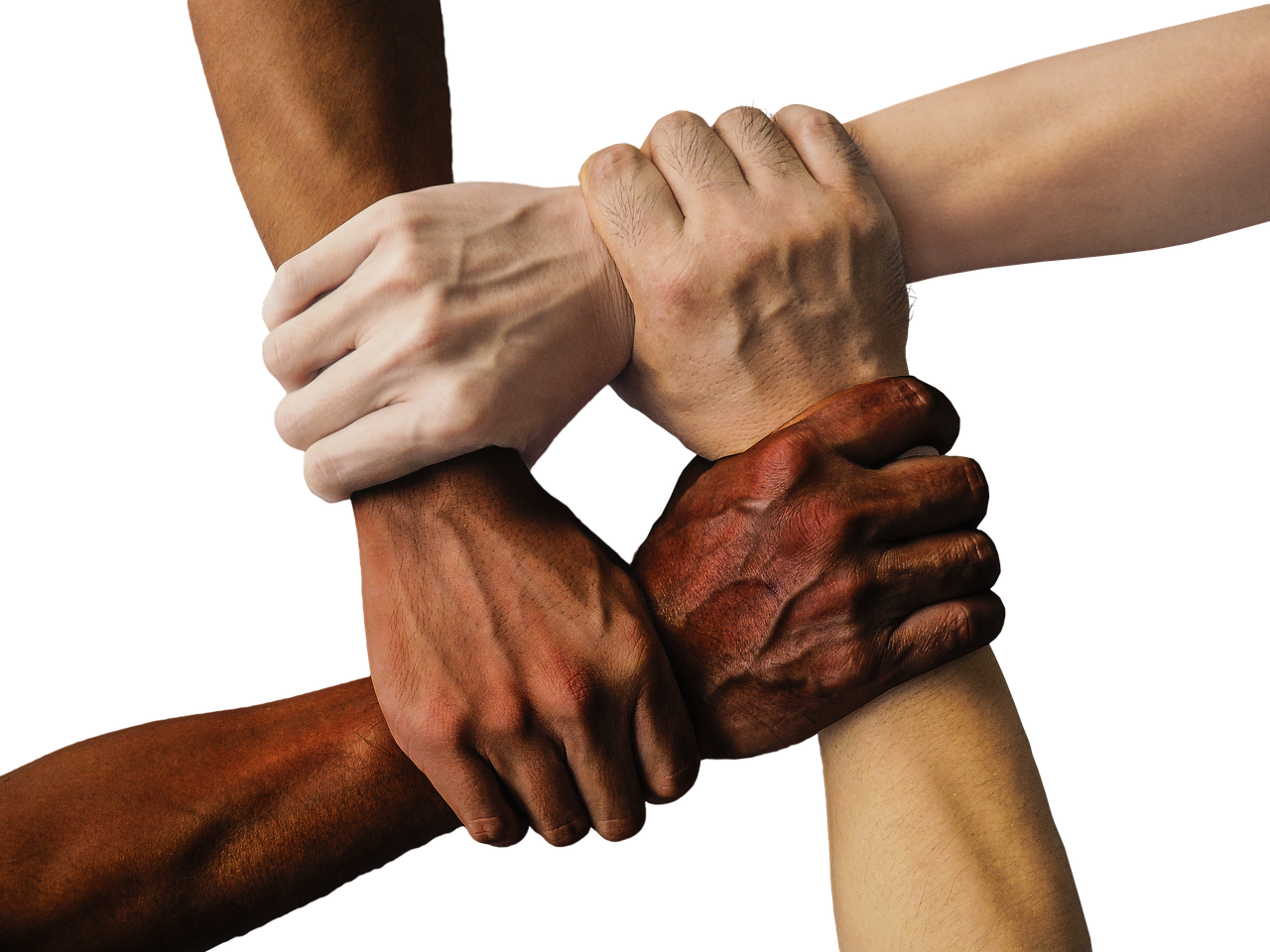

The Role of Community Support in Mitigating Fitness Progress Risks
In the journey toward fitness, community support plays a pivotal role in mitigating risks associated with progress. Engaging with a community fosters accountability, encouragement, and motivation. When individuals participate in group activities, they experience a sense of belonging, which boosts their dedication to their fitness goals. Friends and supporters can challenge each other to push beyond comfort zones and overcome obstacles. Accountability in shared goals often leads to increased adherence to fitness plans. Additionally, sharing experiences and tips within a supportive network can provide useful insights on managing setbacks, identifying potential risks, and staying resilient. Community members can come together to create workout schedules or arrange group classes, ensuring consistency and making exercising enjoyable. The collaborative environment promotes communication, allowing individuals to discuss their targets and struggles openly. Finally, the social aspect of community not only makes fitness more engaging but also reduces feelings of isolation typically associated with intense training. Ultimately, having a reliable support system proves invaluable for long-term commitment to fitness, making community involvement essential for successful achievements.
Individuals often encounter challenges as they pursue fitness progress under varied circumstances. However, potential risks can emerge if not promptly monitored. Community support also plays a vital role in identifying and addressing these risks effectively. For instance, members can share personal experiences regarding injuries, fatigue, or mental blocks. This exchange of information enables others to learn from these occurrences and adjust their strategies accordingly. Furthermore, when maintaining a dialogue within a fitness community, individuals are more likely to stay informed about best practices and recovery techniques. Adopting a collective approach toward tracking progress allows members to celebrate milestones and offer motivation during difficult times. Ultimately, tracking and monitoring fitness projections relies heavily on shared resources and communal wisdom. This collaborative effort alleviates the fear of stagnation as community members consistently check in on each other’s progress. By utilizing platforms such as social media groups, gym networks, or local fitness meet-ups, individuals can promote a culture of transparency around their journeys. This connectivity encourages accountability, consequently reducing the risks associated with setbacks and ensuring that everyone continues moving towards their fitness objectives.
Social engagement can have a significant influence on maintaining enthusiasm for fitness goals. Beyond merely working out, community involvement fosters relationships, enhancing the overall experience of achieving fitness milestones. Many people find motivation through shared activities such as group workouts and running clubs, as these opportunities lead to consistency and commitment. In a supportive atmosphere, participants feel inclined to push themselves further, often attempting exercises they would not undertake alone. Additionally, when celebrating achievements within a community, individuals gain a deeper sense of accomplishment. Demonstrating support through accolades and recognition promotes an uplifting environment, making fitness journeys more rewarding. Consequently, this camaraderie lessens the feelings of loneliness associated with individual exercise routines, allowing individuals to gain confidence as they tackle their goals. It is vital that communities encourage newcomers and support ongoing participants alike. Inclusivity fosters growth and creates a strong support network. As individuals connect, they not only push each other but forge lasting bonds that extend beyond the gym. When people have a vested interest in each other’s successes, they cultivate a positive cycle of encouragement, reinforcing the importance of community in overcoming fitness-related risks.
Developing Resilience through Shared Experiences
In fitness, resilience plays an integral role, driving individuals to overcome various challenges. Community support significantly contributes to developing this essential quality by sharing stories of personal triumphs and setbacks. Individuals need to understand that progress encompasses ups and downs, making it vital to learn from the experiences of others. Listening to a community member’s journey can inspire renewed determination in others facing similar hurdles. When members discuss overcoming injuries, weight fluctuations, or motivational slumps, it fosters a culture of vulnerability and strength. Such honesty helps demystify common issues that many encounter while promoting growth. Besides, engaging in group problem-solving strategies strengthens bonds within the community. Members collaborate to develop innovative ways to manage their efforts, aligning their approaches toward overcoming obstacles. Support groups can even establish dedicated forums discussing various fitness topics, extending the existing knowledge base. This collective intelligence allows for ongoing adaptation and creativity within training practices. Overall, a resilient community enables all participants to view setbacks as temporary and surmountable, leading to newfound determination in pursuing fitness objectives.
Goal setting forms the foundation for progress in any fitness endeavor. However, doing so within a community context provides an added layer of support and encouragement. Shared objectives can inspire individuals to pursue higher targets and refine their aspirations with others’ guidance. When goals are discussed collaboratively, it ensures that everyone aims for realistic outcomes, further aligning their efforts toward common aspirations. For example, partners can redefine fitness objectives by conducting benchmark sessions together, allowing the group to track improvements consistently. Members holding each other accountable for pursuing these goals reinforce commitment and motivation. Setting goals during group meetings cultivates a collective atmosphere of ambition, as individuals encourage one another to explore new possibilities. Moreover, creating well-defined milestones ensures members recognize achievements, fostering a deeper sense of fulfillment. Emphasizing the significance of incremental progress helps individuals realize transformation takes time. Furthermore, when shared, achievements can amplify motivation and empower community members to celebrate their hard work. The incorporation of collective goal setting ultimately tends to mitigate fitness-related risks by bolstering the framework for participants’ participation and dedication.
Encouragement plays an indispensable role throughout any fitness journey, especially when the going gets tough. Within a supportive community, individuals are more likely to receive constructive feedback and motivation while navigating obstacles. By sharing moments of vulnerability, community members can encourage one another through challenges, reinforcing their fierce resolve to stay committed. Additionally, genuine encouragement can boost emotional resilience, resulting in improved mental and physical health outcomes. This mutual uplifting creates a feedback loop, where positivity breeds determination. In turn, every community member develops confidence, pushing boundaries further. By participating in shared experiences, individuals are empowered not only to pursue personal fitness goals but also to support others along the way. It is essential that the encouragement flows both ways within these communities, ensuring no one feels isolated or unsupported during their journey. Regular check-ins and expressions of appreciation can lead to a stronger bond among community members, transforming traditional workouts into shared life experiences. Consequently, cultivating an uplifting atmosphere is critical in promoting mental well-being and reducing risks associated with feelings of doubt or inadequacy.
Conclusion: The Power of Community Support
Community support emerges as a cornerstone of successful fitness progress by effectively managing risk factors associated with challenges. The collective effort shores up motivation, resilience, and shared experiences, creating an environment conducive to personal growth. By fostering collaboration, accountability, and genuine encouragement, individuals gain the confidence to explore their potential while addressing personal hurdles. Ultimately, community participation enriches each member’s journey, enhancing both emotional and physical well-being. The power of community can transform solitary pursuits into a connected network of inspiration. Resilient communities cultivate adaptive mindsets that view obstacles as part of the journey rather than insurmountable roadblocks. As a result, members continue to thrive, reaching their fitness milestones and celebrating the joys of shared achievements. Engaging with like-minded individuals promotes a sense of purpose, reminding everyone that fitness is not just an individual endeavor but also a journey undertaken together. By recognizing the significance of community support, each person initiates a ripple effect of motivation, inspiring others to pursue their fitness aspirations relentlessly. Therefore, investing time and effort in developing fitness communities yields not only a holistic approach to well-being but also a fulfilling experience that lasts a lifetime.
In today’s landscape, the importance of maintaining connection with one’s community is undeniably significant. Especially in fitness, groups provide support and encouragement that alleviates risk and promotes positive outcomes. It is this collective spirit that strengthens resolve, reinforces personal goals, and pushes participants toward success. When individuals feel a connection with their community, they benefit from an invaluable support system. Those engaged with others become more resilient, capable of bouncing back from challenges faced on their fitness journeys. Moreover, by encouraging the exploration of ideas and strategies, members open the door to success. Overall, the role of community cannot be overstated, as it provides the motivation needed for individuals to stay focused and committed. Additionally, sharing knowledge about risk management and monitoring methods ensures everyone benefits from the wisdom of shared experiences. As everyone collaborates to confront the challenges of fitness progress, a deeper sense of unity emerges. Ultimately, this harmonious connection fosters an enduring commitment to fitness, enhancing emotional, mental, and physical well-being, while effectively addressing risks collectively.