
How Sculpting Can Help Release Emotional Tension
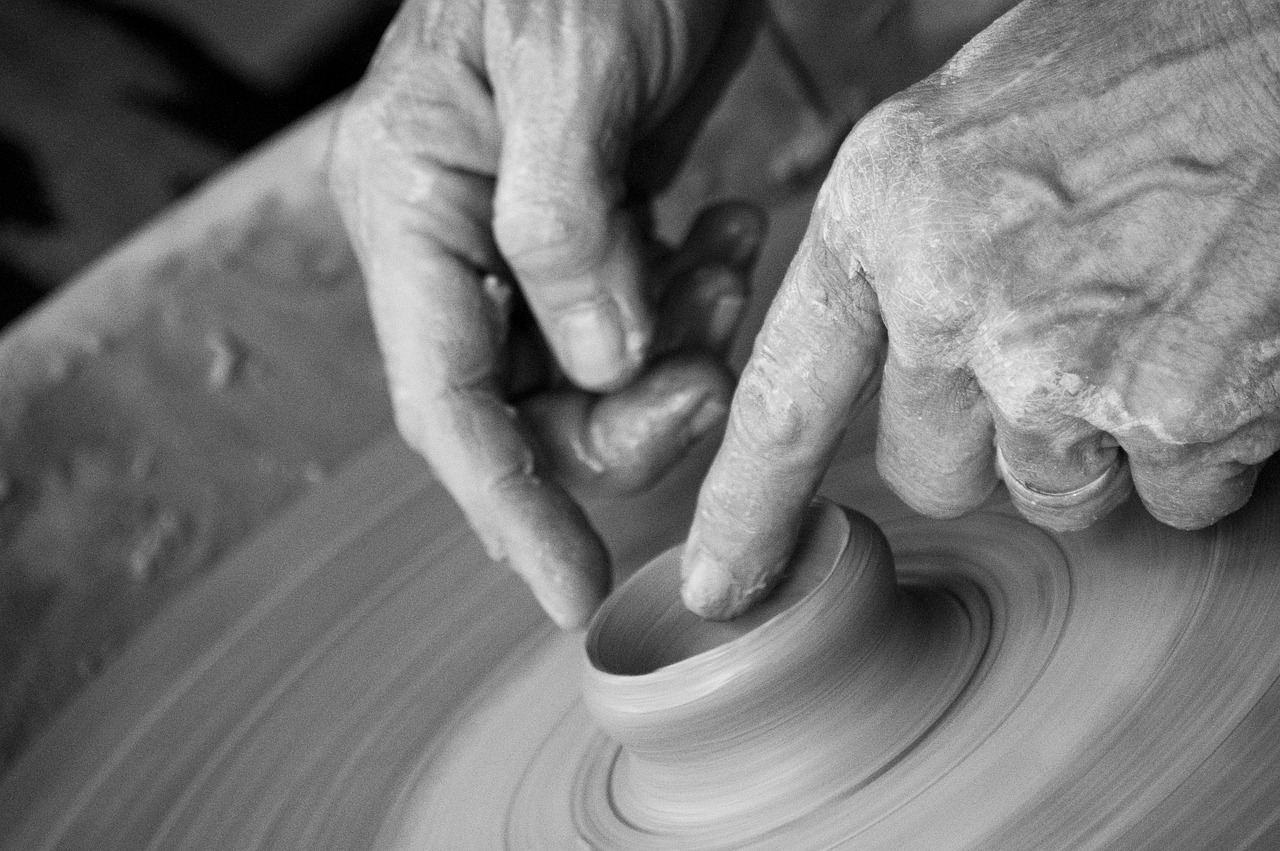
Art therapy has become increasingly recognized as a valuable tool in managing stress. One effective method involves sculpting, allowing individuals to express their emotions creatively. Sculpting offers a tactile experience that can ground you, providing a sense of connection with the materials used. This physical manipulation of clay or other mediums can be a cathartic process. As you shape the medium, you may find that your stressors begin to dissolve. The act of creating shapes can parallel the process of shaping your thoughts and emotions, allowing for deeper introspection. Many people discover that they can convey feelings they couldn’t articulate otherwise through their sculpture. Engaging in this form of art can also help shift focus away from worries and negative thoughts. Concentrating on the task at hand promotes mindfulness, an essential component of stress relief. To further enhance the experience, consider practicing sculpting in a serene environment. The natural surroundings can inspire creativity and peace. Utilizing sculpting techniques promotes both relaxation and emotional release, making it a useful practice for anyone facing stress. Truly, art therapy through sculpting can lead to profound emotional healing and wellness.
The Emotional Benefits of Sculpting
Individuals often find sculpting an empowering activity. Engaging in this artistic expression allows for exploring subconscious emotions and thoughts. As you work with materials like clay, you may discover that the act of sculpting can evoke surprise feelings, serving as a therapeutic outlet. When you shape something tangible, it can mirror the process of working through personal issues. Sculpting encourages you to explore hidden layers of identity and emotions, fostering self-discovery. The freedom to create without the restrictions of perfectionism also helps alleviate pressure. There are no wrong choices in this process, offering liberation. Moreover, those who struggle with verbal communication may find sculpting a language of its own. Through this medium, your inner turmoil can be visualized and externalized. Additionally, sculpting can be an excellent group activity, fostering connections with others facing similar challenges. Group settings also allow for shared experiences and support. Unique relationships can form during collaborative sculpting, which may have therapeutic outcomes. Learning to express oneself through sculpture can build stronger emotional resilience and promote a better understanding of oneself and others.
Moreover, participating in art therapy, particularly sculpting, offers a solid platform for personal growth through exploration. By manipulating the medium, you sharpen your fine motor skills, enhancing hand-eye coordination. The feedback received from your creations can boost self-esteem as you witness physical manifestations of your emotional state. Each piece tells its story, giving you the opportunity to reflect upon not just the aesthetic but the emotional journey involved. This creative process requires focus, which brings you into the present moment, helping to mitigate feelings of anxiety and overwhelm. Sculpting also provides a rhythmic, repetitive action that can serve as a calming mechanism, further reducing stress levels. Additionally, the materials used in sculpting, such as clay, are often therapeutic in conjunction with the act itself. The sensory experience of the material can ease tension while promoting relaxation. Connecting with your feelings in such a physical way ensures that they aren’t stifled. Engaging in sculpting can turn an emotional release into a tangible art piece, leading to catharsis. In the end, the process of sculpting offers benefits that go beyond the artwork and deeply into emotional nourishment.
Techniques and Tools in Sculpting
To embark on your sculpting journey, familiarizing yourself with various techniques and tools is essential. There are numerous approaches to sculpting, from traditional techniques like hand-building to modern methods like 3D printing. Each technique offers unique benefits that cater to different emotional needs. For example, hand-building provides a deeply personal and intimate sculpting experience. On the other hand, methods like carving lend themselves to more focused precision. Essential tools include various shaping implements, such as sculpting knives, spatulas, and loops. As you become more comfortable with these tools, you’ll find a variety of ways to express yourself creatively. By experimenting with different techniques, you can learn which ones resonate best with your emotional state and help to relieve stress. The process of selecting tools and materials can be a mindful practice in itself. Each choice allows for personal expression and experimentation. As you engage with your creativity through these tools, you may discover entirely new aspects of yourself while enhancing your emotional well-being. Sculpting can thus serve as a fantastic and flexible medium for applying art therapy methods effectively.
Exploring different materials is equally crucial in sculpting. Common materials include clay, wax, wood, and even recycled materials. Each has its unique properties and lends itself to various techniques. For example, clay is known for its malleability while being forgiving, ideal for beginners. It allows for easy alterations and adjustments, leading to experimentation without fear of ruining your work. Alternatively, wax is perfect for creating more delicate or intricate details but can be less forgiving in most projects. Exploring diverse materials allows you to find the one that feels right, catering to your emotional expression more effectively. Also, consider integrating mixed media; combining materials can produce exciting results and unique textures. This encourages further creative exploration and can help articulate emotions that might feel too complex for words. As sculpting becomes intuitive, you might start to notice how these choices reflect your state of mind. Interacting with different materials also offers opportunities to discover preferences and develop your own unique style. Such exploration can amplify the emotional journey while reinforcing the therapeutic potential of sculpting.
Finding Community Through Sculpture
Joining a community is another powerful aspect of sculpting. Many art studios and community centers offer classes, workshops, and support groups tailored to individuals wishing to explore art therapy. Engaging with others creates an environment where shared vulnerabilities can be addressed in a creative, non-threatening way. This communal aspect is essential for emotional growth and healing. Being part of a group allows individuals to share experiences and discuss feelings openly. Support systems can foster deeper connections rooted in creativity, providing much-needed emotional safety. As you learn alongside others, collaborations may arise, leading to innovative projects that incorporate multiple perspectives. These experiences can heighten creativity and serve as a reminder that you’re not alone in your struggles and stresses. Sharing your work with a community promotes validation and constructive feedback. Witnessing how others process similar emotions can normalize the feelings you’re experiencing. Finding a supportive community enhances emotional healing and encourages regular artistic practice. Whether joining a local art class or an online forum, connecting with like-minded individuals can magnify the journey of personal growth in sculpting.
Ultimately, incorporating sculpting into your stress management routine can profoundly impact emotional health. The physical and therapeutic aspects of art therapy foster a unique combination vital for dealing with emotional burdens. By exploring creativity through sculpting, individuals are empowered to channel their emotions effectively. Ultimately, stepping into the world of sculpture is an invitation to reconnect with oneself. The artistic journey helps alleviate feelings of hopelessness, and the pieces created become therapeutic symbols of transformation. Each creation signifies your capacity to overcome obstacles, serving as a visual reminder that growth is possible. Moreover, the skills developed during this practice contribute to overall well-being. Engaging in sculpting does not only heal existing wounds but may also serve as a preventive measure against stress. Regular creative practice can build emotional resilience, allowing you to confront stressors more effectively. Sculpting can be the tool that encourages acceptance, reflection, and ultimately, healing. Say goodbye to unprocessed emotions and channel them into art, creating beautiful sculptures that tell your story. Investing time in this practice can lead to lifelong coping mechanisms centered around a deeper connection with yourself.
In conclusion, art therapy through sculpting is an innovative approach to stress management. The careful exploration of materials, techniques, and community invites individuals to express their emotions healthily and constructively. Sculpting offers a unique pathway to self-discovery and emotional healing, making each piece a personal journey. As you engage with this therapeutic medium, consider embracing the process and letting go of expectations. Each creation can lead to deep reflections, shedding light on your emotional landscape. Artistic expression not only serves as a therapeutic tool but can also enhance resilience in the face of future stressors. Connecting with the creative process can empower you and instill a sense of agency over your emotional journey. Art therapy is unique because everyone’s experience and outcomes will be distinct, tailored to individual needs. In navigating stress through sculpting, expect challenges and triumphs alike, as they will undoubtedly be a part of your journey. Ultimately, allowing yourself to explore this form of therapy can open doors to personal reflection and growth. So, take the first step towards using sculpting for stress relief; the transformative power of art could change your life for the better.