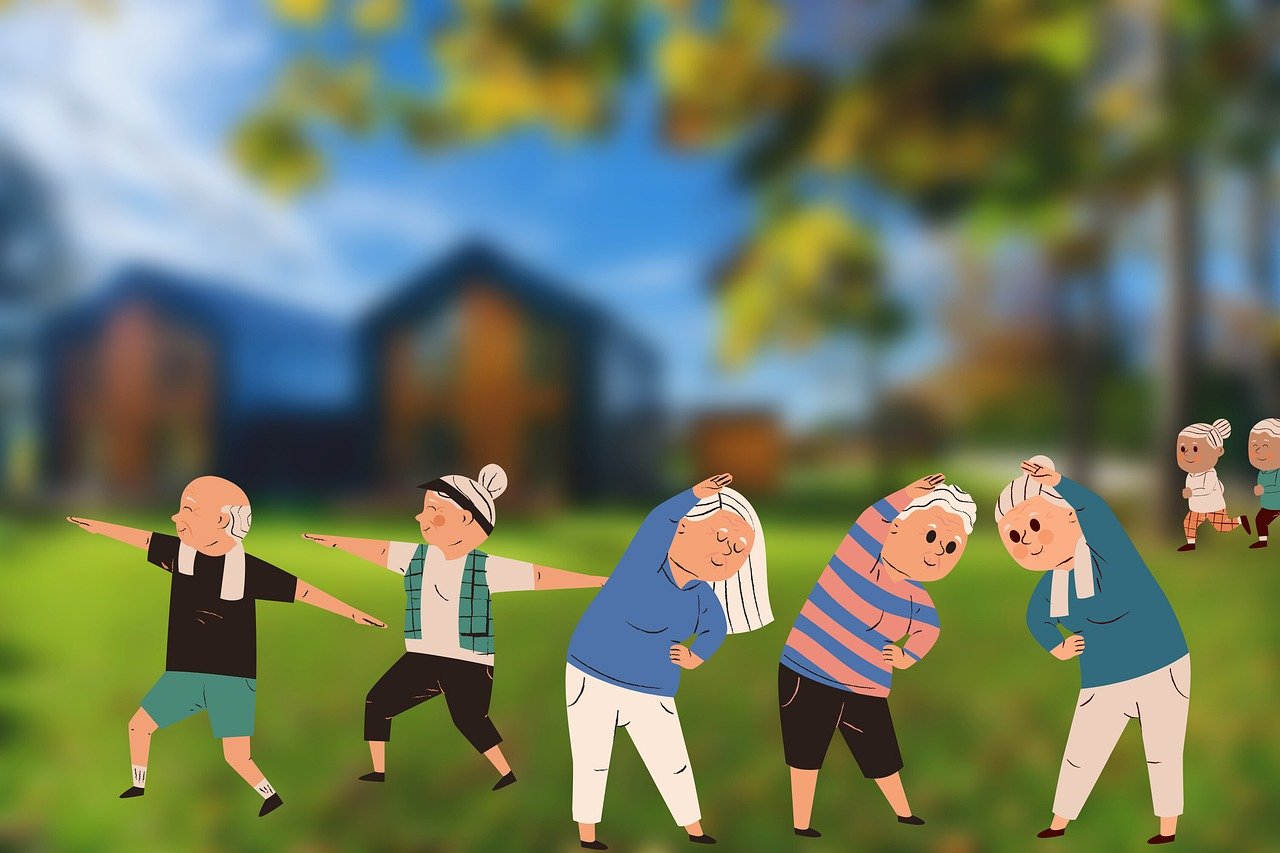

The Benefits of Pilates for Seniors: Building Strength and Flexibility
Pilates is an exceptional form of exercise that emphasizes core strength, flexibility, and overall body awareness. For seniors, incorporating Pilates into their routine can provide numerous benefits. One significant advantage is its low-impact nature, which minimizes the risk of injury while providing effective workouts. This allows older adults to engage without fear of strain or undue stress on their joints. Additionally, Pilates focuses on alignment and proper breathing techniques, which improve posture and enhance relaxation. This can lead to better spine health and overall wellness. Moreover, it offers a mindful approach to fitness, fostering mental clarity and focus among participants. Another compelling benefit is the adaptability of Pilates, which can be modified for different fitness levels. In a supportive class environment, seniors can work at their own pace, increasing confidence. Regular practice strengthens the abdominal and back muscles, promoting stability and balance, thereby reducing fall risks. Overall, these factors make Pilates an ideal exercise regimen for seniors, enabling them to lead healthier lives while maintaining independence.
Beyond physical strength and stability, Pilates significantly aids in enhancing flexibility, which is crucial for seniors. As we age, maintaining flexibility becomes increasingly important to prevent stiffness and ease mobility. Pilates involves a range of stretching exercises that promote muscle elongation and joint mobility. This can alleviate discomfort related to daily activities, such as bending or reaching. Improved flexibility not only enhances physical capabilities but can also contribute to injury prevention, allowing for more fluid movements in day-to-day tasks. Additionally, emphasizing proper alignment during Pilates sessions helps seniors become more aware of their bodies, encouraging conscious movement patterns that protect against injuries. Furthermore, engaging in regular Pilates practice can lead to increased circulation, which benefits overall health. Enhanced circulation can result in improved energy levels and vitality, making seniors feel more rejuvenated. The combination of flexibility, strength, and awareness cultivated through Pilates can transform the way seniors approach their fitness and everyday life. By fostering a routine that emphasizes these elements, seniors are equipped to maintain their independence and improve their quality of life as they age.
Emotional and Mental Benefits
In addition to the physical benefits, Pilates offers a range of emotional and mental advantages for seniors. Participating in a group class provides a social environment that fosters connection and camaraderie among participants. This can significantly reduce feelings of loneliness and isolation that some seniors experience. Engaging with peers in a supportive atmosphere encourages motivation, commitment, and consistency in their exercise routines. Moreover, the mindful nature of Pilates practice promotes mental clarity, helping seniors to alleviate stress and improve focus. This promotes emotional well-being, enhancing mood and contributing to overall happiness. The mindful breathing techniques taught in Pilates are not only beneficial for physical well-being but also play a crucial role in mental health. By learning to control breath patterns, seniors can manage anxiety and enhance relaxation. Such skills can be exceedingly beneficial as they face the challenges of aging and changes in their bodies. Overall, the combination of social interaction and mindful movement in Pilates creates a holistic approach to health, nurturing both body and mind for seniors.
One of the best aspects of Pilates is its versatility, which allows it to be adapted to suit a variety of needs and preferences among seniors. Age, health status, and fitness levels can vary greatly in this demographic, making a one-size-fits-all workout ineffective. Pilates instructors are trained to adjust exercises based on individual abilities, ensuring that each participant can engage safely. For example, seniors with arthritis may benefit from chair Pilates, where exercises are conducted while seated, reducing strain while still promoting movement. Others might use resistance bands or reformer machines to modify their workouts effectively. This adaptability not only enhances safety but also allows seniors to set personal fitness goals, celebrating incremental progress and achievement. When they feel supported and accommodated, seniors are more likely to maintain a consistent exercise schedule. This commitment inevitably leads to greater strength, flexibility, and overall health benefits over time. When seniors recognize that they can participate in an exercise regimen tailored specifically to them, it fosters a positive mindset towards fitness and encourages continued practice.
Building Relationship with Instructors
Developing a relationship with a Pilates instructor can additionally enhance the overall experience for seniors. Instructors trained in working with older adults understand the unique challenges and limitations that may arise. They can provide personalized guidance, ensuring exercises are performed safely and effectively. This individualized attention builds trust and confidence, as seniors feel cared for, promoting a sense of belonging within the class. Moreover, instructors can tailor class content, addressing specific areas of concern such as balance, flexibility, or strength. Their expertise enables them to recognize modifications that benefit individual students, allowing seniors to fully embrace the practice of Pilates. The mentor-student dynamic formed in these classes might inspire seniors to explore further movements and health-conscious habits outside the classroom as well. Instructors can also recommend complementary exercises or lifestyle changes that align with the goals of their students. This holistic approach to fitness and health nurtures a culture of continuous improvement, which can elevate the overall Pilates experience for seniors, ensuring they reap the maximum benefits from their practice.
Seniors are often concerned about the time commitment required for an exercise routine, but Pilates can be flexible regarding scheduling. Classes are available in various formats, including short sessions that fit into busy days or longer opportunities focused on different aspects of fitness. This means that regardless of how busy a senior’s schedule may be, they can usually find a Pilates class or session that accommodates their availability. The key lies in consistency, as regular participation is more beneficial than sporadic workouts. Seniors can also choose to practice Pilates at home, with plenty of online classes and video resources available. This flexibility allows individuals to engage in their practice whenever they wish while creating an environment that feels comfortable and familiar. With the advent of technology, engaging in Pilates from home has never been more accessible. Whether attending a local class or following online workouts, seniors have numerous options for maintaining their Pilates practice. This adaptability allows for continued progress and ensures that they remain committed to building and maintaining strength and flexibility regardless of their circumstances.
Conclusion: Embracing Pilates for Lifelong Health
In conclusion, Pilates presents numerous benefits for seniors looking to enhance their fitness and overall well-being. Through systematic practices, individuals can cultivate strength, flexibility, and balance. These components serve not only physical health but also promote social interaction and emotional well-being. The adaptability of Pilates allows it to cater to a diverse population, making it an inclusive form of exercise. The relationship between instructors and students enhances the experience, fostering a supportive environment that empowers seniors to pursue their fitness goals confidently. Additionally, the flexibility available in scheduling ensures that even the busiest individuals can find time to engage in physical activity. Embracing Pilates as part of a regular routine can lead to significant improvements in quality of life for seniors, enabling them to engage fully in the activities they love. By focusing on health and wellness through Pilates, seniors can enjoy an active lifestyle and maintain their independence. Ultimately, the combination of strength, flexibility, and mental clarity gained through Pilates promotes longevity and vitality, encouraging seniors to embrace their health while enjoying a fulfilling life.