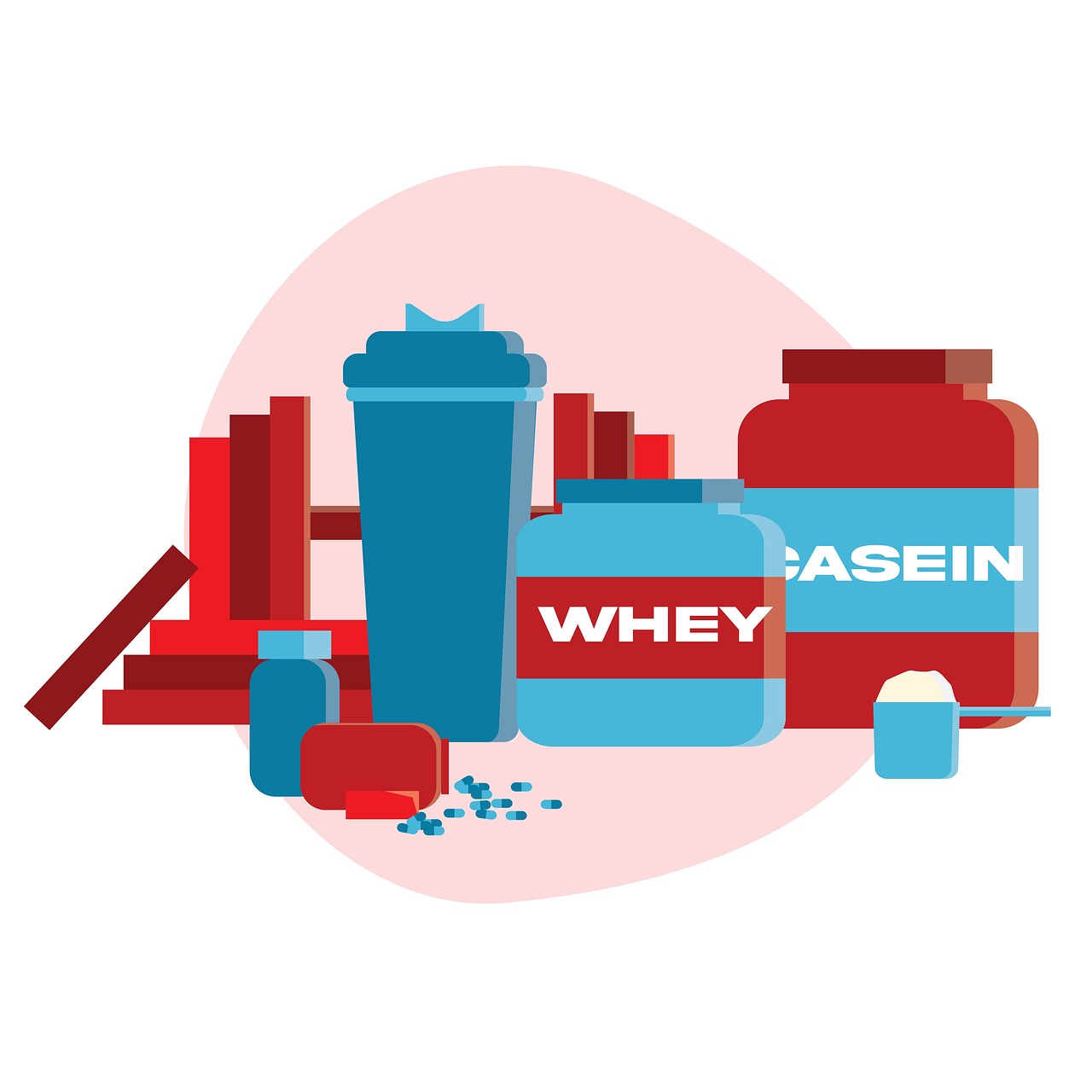

How High-Protein Diets Boost Metabolism and Fat Burning
A high-protein diet can significantly impact metabolism and fat burning. Incorporating more protein into daily eating habits encourages the body to burn stored fat for energy. Protein-rich foods improve satiety, decreasing overall calorie consumption while supporting muscle maintenance during weight loss. As muscle demands more energy to sustain, a higher protein intake can facilitate increased calorie expenditure. Consider the implications for weight management when protein becomes a more dominant aspect of your nutrition. Involving lean meats, beans, legumes, and dairy can enhance protein levels effectively. These foods are versatile and can be incorporated in various delicious recipes. The body’s thermic effect of food (TEF) is worth noting, as protein prompts more energy consumption for digestion compared to fats and carbohydrates. Regularly consuming sufficient protein can also stabilize blood sugar levels and reduce cravings. This balance can lead to healthier food choices and a decrease in unhealthy snacking behavior. It may be beneficial to track daily protein intake and monitor progress toward weight loss goals while maintaining energy and focus throughout the day. Ultimately, a high-protein diet is a powerful strategy for optimizing metabolic health.
Adopting high-protein snacks helps maintain energy levels throughout the day. These snacks can range from Greek yogurt to roasted chickpeas, providing essential nutrients and satisfaction between meals. Unlike traditional snacks such as chips or cookies, high-protein options promote feelings of fullness without unintended calorie surges. They can be quickly prepared: boiled eggs or protein shakes can be consumed conveniently on the go. Importance lies in selecting foods that are high in protein and low in unhealthy fats or sugars. Integrated into a meal plan, high-protein snacks may reduce the likelihood of overeating at main meals. Moreover, protein snacks can help sustain active lifestyles, ensuring that energy levels stay high. Individuals with busy schedules may find these snacks particularly beneficial, allowing for energy boosts through nutritious choices. This approach not only supports weight loss efforts but improves overall health. Meals paired with high-quality protein sources can further enhance metabolic performance. Monitoring snack options is crucial as individuals become more aware of their dietary habits. Healthy eating becomes a more attainable goal when high-protein choices are prioritized, leading to both weight maintenance and improved overall health.
Meal timing is essential for optimizing a high-protein approach. Spreading protein intake consistently throughout the day can support muscular repair and growth, which in itself is crucial for metabolic health. This timing can help boost energy levels, influencing productivity and exercise performance. Research indicates that those who consume protein throughout meals generally experience better satiety and weight management. Emphasizing breakfast too can kick-start the metabolism; a high-protein breakfast aids in regulating blood sugar levels for sustained energy throughout the day. Including options such as egg dishes or protein-packed smoothies can provide valuable nutrients. Planning meals around protein consumption fosters a more mindful eating approach, aligning habits with goals. Prepping meals in advance can facilitate better choices and avoid getting blindsided by hunger. In terms of metabolism, various protein sources offer different benefits; thus, diversifying protein types is advantageous. Examples of great sources include fish, poultry, plant-based proteins, and dairy. Dietary variety can contribute to nutritional adequacy and reduce monotony, making the diet more enjoyable. Overall, strategic planning around high-protein meals is an investment in health, ultimately supporting weight loss journeys effectively.
Balancing Macronutrients for Optimal Results
Maintaining a balanced diet while incorporating high protein is pivotal for effective weight loss strategies. Macronutrient ratios should be personalized based on individual activity levels, metabolism, and overall health goals. While protein is crucial, carbohydrates and healthy fats also play significant roles. Correctly finessing these ratios can enhance metabolic function and weight loss success. An adequately proportioned diet supports energy levels and ensures the body receives sufficient nutrients to perform daily activities efficiently. For those engaged in athletic pursuits, incorporating ample carbohydrates can provide the necessary fuel; balancing these with protein-rich foods post-exercise aids recovery and muscle maintenance. However, individuals looking primarily for weight loss may experiment with higher protein and lower carb ratios. Generally, integrating benefits from each macronutrient offers the best framework for sustained weight management. Foods rich in fiber should not be overlooked since they support digestion while complementing protein efforts. Whole grains, fruits, and vegetables can contribute significantly. Understanding one’s personal dietary preferences greatly influences adherence to these macronutrient guidelines. Optimizing the interplay between proteins, carbs, and fats forms long-term strategies toward effective weight management and overall well-being.
Tracking protein intake presents an excellent opportunity for accountability. Using apps designed for meal planning and tracking can simplify understanding dietary habits. Individuals often underestimate their protein consumption, which emphasizes the importance of intentional tracking. Assessing daily intake against personal goals can guide decisions towards enhancing weight loss. Additionally, reviewing daily food journals cultivates mindfulness about food choices. Daily reflections reinforce positive changes and highlight areas needing adjustments. Following a structured eating regimen can lead to more significant successful outcomes. Planning protein-rich meals in advance can streamline grocery shopping and restaurant choices, making adherence easier. Awareness of portion sizes is vital, especially when consuming foods known for their protein content. Selecting proper serving sizes empowers individuals in their weight loss journeys while fostering discipline. Regularly recording food consumption helps establish patterns leading to better engagement with overall wellness. Furthermore, integrating social support through groups providing accountability can further bolster motivation. Joining fitness communities may encourage sharing protein-focused recipes and tips, expanding resources for individuals seeking healthy lifestyles. All in all, maintaining an effective tracking system regularly enhances confidence while encouraging sustained dietary improvements.
The Role of Exercise in Enhancing Outcomes
Pairing a high-protein diet with regular exercise amplifies its benefits. Combining strength training or high-intensity workouts with a protein-focused diet maximizes fat burning and muscle preservation. Exercise helps elevate metabolic rates beyond resting levels, making protein an essential consideration before and after workouts. Protein timing around exercise sessions can further enhance muscle recovery and growth. Scientific studies have shown that integrating resistance training with high protein intakes leads to greater losses in body fat compared to diets lower in protein paired with the same exercise regimen. Exercise increases the body’s caloric needs significantly, making protein consumption critical for regulating intake. Individual fitness goals dictate how workouts should be aligned with nutrient intake. Those aiming for muscle gain or toning need to ensure adequate protein consumption to support these efforts. Moreover, engaging in consistent cardiovascular scenarios enables fat oxidation, where protein ideally contributes numerous energy demands. The findings illustrate that consistent engagement with exercise coupled with high protein consumption results in impactful changes. When adequately nourished, individuals often experience increased vitality enabling adherence to regular workouts effectively. Ultimately, high-protein strategies combined with exercise accumulate to significant weight loss successes.
Ultimately, understanding the relationship between protein and fat burning informs personal health journeys. Each individual’s response to dietary changes can differ; thus, it is beneficial to experiment gradually with protein levels that feel sustainable. Educational aspects revolving around high-protein choices should highlight sustainable practices. Prioritizing protein can have a multitude of benefits, while avoiding overly restrictive diets is vital for long-term success. Enjoying a variety of protein-packed meals cultivates excitement in the kitchen, leading to continued commitment. Seeking professional assistance from registered dietitians can provide individualized insights and formulations based on specific needs. Additionally, participating in cooking workshops emphasizes welcoming enjoyable techniques into a high-protein lifestyle. This engagement allows individuals to learn about nutrition while enhancing cooking skills. A sustainable high-protein journey can be transformative, as health often encompasses dietary changes extending to broader lifestyles. Rethinking nutritional choices is often a stepping stone towards better overall health outcomes. Investing time into developing high-protein meal structures encourages transformative health changes. The influence of a high-protein diet on fat burning is profound, with implications for enhancing metabolism and fostering successful weight loss journeys over time.