
Incorporating Interval Training into Your Indoor Cycling Routine
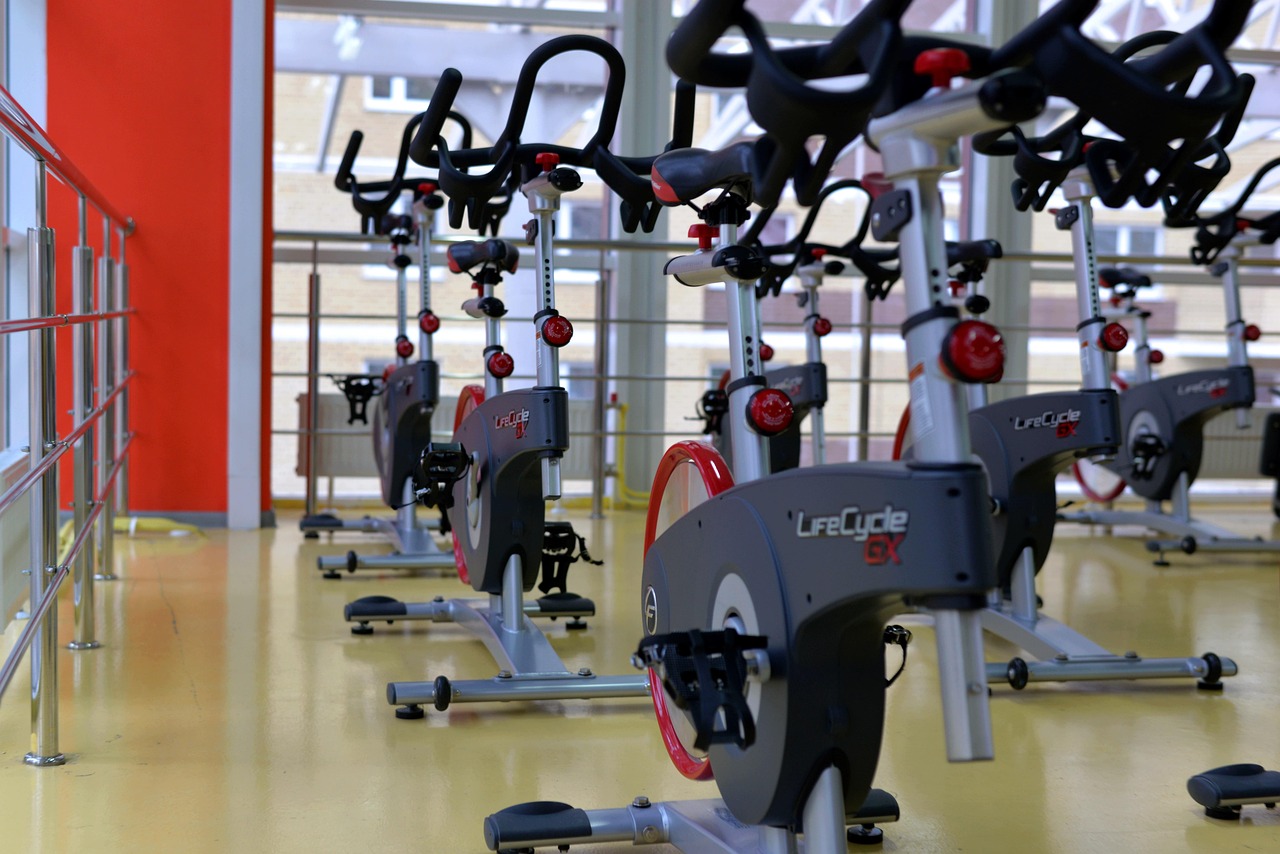
Indoor cycling has evolved significantly, becoming a popular choice for fitness enthusiasts who seek effective workouts without going outdoors. One approach that can elevate your cycling sessions is interval training. This technique alternates between high-intensity bursts and lower-intensity recovery periods, which can boost your cardiovascular fitness and burn more calories in less time. By integrating interval training into your routine, you can experience varied challenges that keep your sessions engaging. To start, establish your fitness goals, whether you want to increase speed, endurance, or weight loss. Understanding your objectives will guide how you structure your intervals. You might opt for short, intense efforts followed by longer recovery periods or longer intervals with less rest in between. The key is ensuring your efforts push your limits while remaining within a manageable range.
Always warm up before your workout begins to prepare your muscles and joints for the exertion ahead. A proper warm-up can also help prevent injuries, making it an essential component. Additionally, track your progress using fitness apps or heart rate monitors to stay motivated.
By monitoring yourself during training, you can identify what works best for your body and make adjustments accordingly. The beauty of indoor cycling is that it allows for flexibility in your workout. You can modify resistance levels and pedal speeds to find the optimal combination for effective intervals. As you increase your fitness level, consider adjusting the duration of high-intensity segments or reducing recovery times. This progressive overload is vital for continuous improvement. Interval training can also help break through plateaus when weight loss or fitness advancements stall. It can stimulate different energy systems and engage muscle fibers that standard steady-state cycling may not activate efficiently. Therefore, include varied interval formats in your sessions, such as Tabata or pyramid training. Try a few different approaches and note how your body responds to each. Over time, you will discover which formats feel the most exhilarating and rewarding. Make a point to shuffle your routine frequently, as cycling sessions can become monotonous without variation.
Building Your Interval Training Schedule
When designing your interval training schedule, prioritize frequency, duration, and intensity. Aim for 3 to 4 cycling sessions per week specifically focused on intervals, paired with strength training or other cardio workouts to balance your fitness regimen. Each interval session could range from 30 to 60 minutes. Start with 20-30 minutes of high-intensity intervals, progressively increasing to longer sessions as your endurance builds. Plan your workouts around your comfort. For example, if early mornings suit you better, schedule your rides then; if evenings are more convenient, adapt your plans accordingly. Consistent timing helps develop a routine that becomes beneficial over time. Moreover, allow for recovery days in between your interval sessions. This practice is essential to prevent injuries and help your muscles repair and grow. Consider including low-intensity rides or rest days as part of your overall schedule to ensure ample recovery. Keep in mind, the goal of intervals is to push your limits safely, so listen to your body’s feedback on the intensity and frequency of workouts.
After your workouts, maintain adequate hydration and nutrition to facilitate recovery and performance. Proper refueling with proteins and carbohydrates will help restore your energy levels and support muscle recovery. Timing your nutrition is equally important; eating a balanced meal or snack post-workout is recommended. Experiment with different foods to find what nourishes and revitalizes your body effectively. In addition to nutrition, consider engaging in stretching or mobility work after your cycling sessions. This practice will help improve flexibility, enhance performance, and reduce soreness. Many cyclists overlook flexibility work, but it can significantly contribute to overall athletic performance and well-being. Also, try to include cross-training activities like swimming, running, or yoga to complement indoor cycling. These activities can relieve your muscles from the repetitive motion of cycling while enhancing overall muscle strength and endurance. Balancing variety in your training is essential; otherwise, fatigue and boredom can lead to decreased motivation over time. By maintaining this focus, you’ll consistently elevate your indoor cycling experience.
Staying Motivated During Your Cycling Journey
Staying motivated is often the greatest challenge when it comes to maintaining a fitness routine. Connecting with cycling communities, whether online or in-person, can provide the motivation you need. Finding a local cycling group or class can create camaraderie, encouraging you and making workouts enjoyable. Celebrate your progress, no matter how small, as every step forward deserves acknowledgement. Share milestones with fellow cyclists; their support can enhance your commitment and mental resilience. Additionally, create challenges for yourself. Set specific goals, such as cycling a certain number of miles or achieving a particular speed during intervals, to keep things exciting. You might even consider tracking your achievements through fitness apps, providing visual reminders of how far you have come. Some people find visual or audio motivation helpful, so create engaging playlists that pump you up during rides or follow along with guided cycling classes online. Ultimately, finding joy in your workouts can sustain motivation far more effectively than discipline alone. Remind yourself regularly why you started cycling and the benefits you aim to achieve.
Incorporating interval training into your indoor cycling routine not only enhances your performance but enriches the overall experience of cycling. Thriving in variety fuels excitement and momentum. Devote time to assessing your goals and remember that even the most seasoned cyclists continually evolve their training methods. Persistently seek out new techniques and approaches to stimulate growth and progress. During your journey, allow yourself room for experimentation and learning. Each change you adopt could be the catalyst for a breakthrough moment in your cycling pursuits. Continue networking with other athletes who can share valuable insights or breakthrough strategies that contribute positively to your workouts. Regularly reflect on what is effective and unsuccessful in your training regimen, as this will help in refining your approach over time. Document your thoughts in a cycling journal or blog, aiding in accountability. This records your journey, emphasizing constant evolution, and further motivates you. Most importantly, remember cycling should be enjoyable! Celebrate the successes, large and small, as they accumulate through your interval training experiments to become a symbol of your dedication.
Conclusion: Your Path to Enhanced Indoor Cycling
In conclusion, incorporating interval training into your indoor cycling sessions is an effective way to achieve a healthier, stronger version of yourself. This training method promises numerous benefits, improving your cardiovascular fitness, burning fat, and breaking workout monotony. Follow the guidelines laid out in this article to create a structured plan conducive to achieving your fitness goals. Train smart by prioritizing recovery, balancing nutrition, and adapting to changes your body exhibits over time. Embrace progress and variations throughout your journey, taking the time to learn what resonates best with you. Motivation can be simplified through community engagement and celebration of achievements. Remember your end goal and why indoor cycling was initially appealing. Making adjustments can lead to insights that bolster ongoing growth in your cycling journey. Most importantly, have fun and relish the journey. Cycling isn’t solely about results; it’s about experiencing a fulfilling path towards health, connection, and personal joy. Eventually, with dedication, you’ll recognize the fruits of your labor, fostering a lifelong relationship with fitness through indoor cycling.