
The Evolution of Martial Arts in Cinema: From Classic to Modern
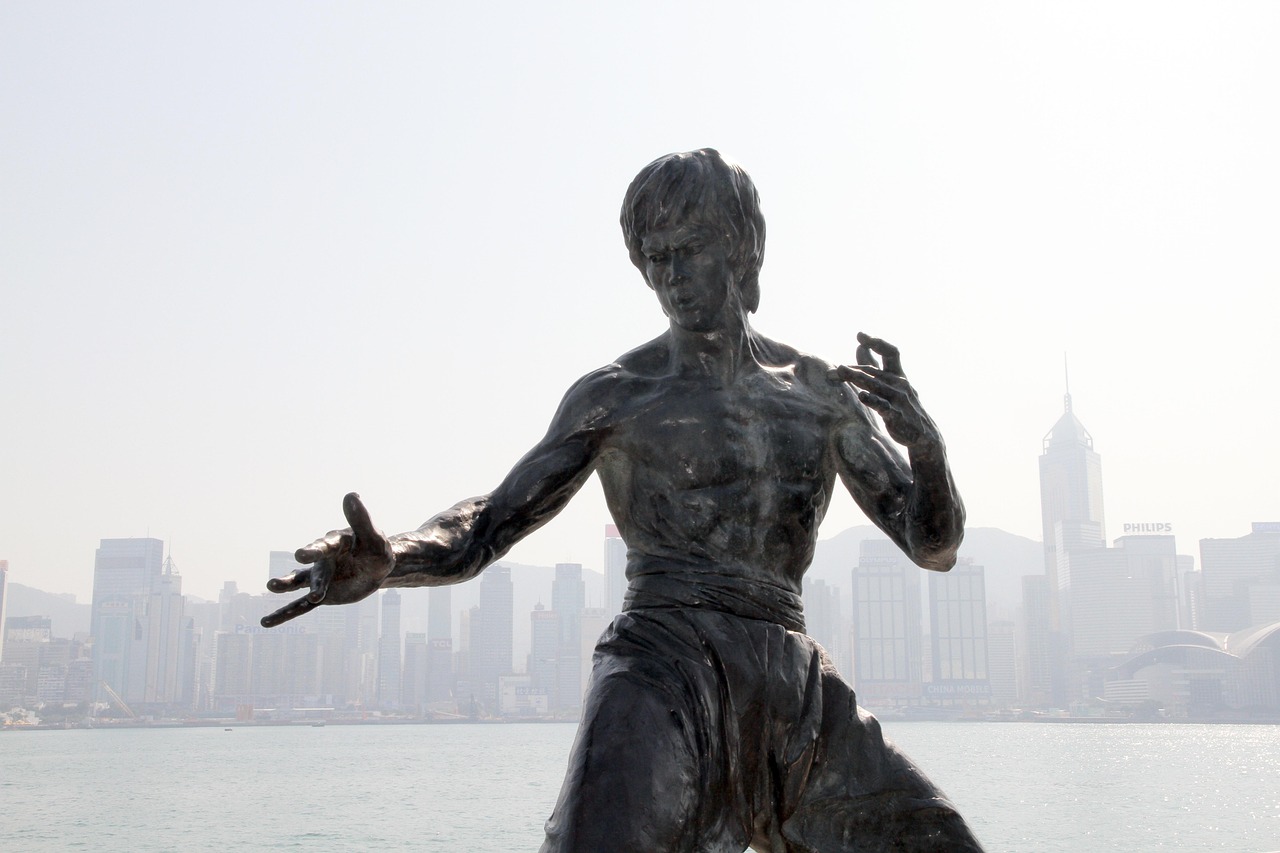
The history of martial arts in cinema stretches back over a century, tracing the evolution of audience perceptions and cultural appreciation for these dynamic combat styles. Classic films of the early 20th century introduced audiences to martial arts through stylized combat and engaging storytelling. Iconic figures like Bruce Lee emerged in the 1970s, revolutionizing the genre with their deft choreography and charisma. Lee’s groundbreaking film, “Enter the Dragon,” opened doors for subsequent films and actors, establishing a deeper connection between martial arts and popular culture. As international audiences grew, the demand for authentic and engaging martial arts stories surged. Traditional practices began merging with modern cinematography, resulting in a stunning visual experience, attracting both seasoned practitioners and general viewers. The late 1980s and early 1990s witnessed a proliferation of martial arts in mainstream action films, blending various genres. Genres such as science fiction and fantasy embraced martial artistry, giving rise to transformative battle sequences. Notable franchises like “The Matrix” injected complex narratives alongside martial arts action, blending storytelling with breathtaking set pieces, further solidifying martial arts’ place in contemporary cinema.
Key Developments in Martial Arts Storytelling
Throughout the years, storytelling in martial arts films has evolved significantly, often reflecting cultural tides and societal values. Early depictions primarily focused on physical prowess, showcasing combat skills pure and simple. As filmmakers began utilizing storytelling techniques, narratives transformed, allowing characters to express deeper emotions and motivations. Directors like Ang Lee and Wong Kar-wai emphasized complex narratives involving honor, duty, and personal transformation. The dynamic nature of martial arts cinema gave filmmakers the creativity necessary to delve into emotional struggles and personal growth. The use of martial arts as an exploratory device in modern narratives provides a vivid backdrop against which characters define themselves. The genre has also adapted to include women’s perspectives, with films such as “Crouching Tiger, Hidden Dragon” highlighting female protagonists who challenge stereotypes while demonstrating immense skill. Such changes paved the way for films where martial arts convey strength and independence, reshaping audience expectations. Contemporary films increasingly emphasize a variety of martial arts styles, showcasing diverse cultural influences. This approach not only enhances visual aesthetics but also promotes understanding of unique martial arts philosophies worldwide, allowing viewers to appreciate diverse combat traditions.
The impact of technology on martial arts cinema cannot be overstated, especially in terms of visual effects and action choreography. Advanced filming techniques, such as wire work and CGI, have redefined how martial prowess is presented on screen. Iconic choreography, previously limited to practical techniques, is now enhanced with computer-generated enhancements that create visually stunning sequences. Contemporary films often employ meticulous training regimens for actors, ensuring authenticity while integrating digital effects seamlessly during pivotal action scenes. Films like “The Matrix” and “Kung Fu Panda” utilized groundbreaking technology to explore fantastical realms and epic battles. These advancements have increased audience expectations, as they seek to witness breathtaking visuals alongside intricate fight choreography. As a result, directors and choreographers must innovate continually to balance realism with spectacle. Moreover, the use of technology has expanded the opportunities for international collaborations, allowing different styles and techniques to mingle, creating a global cinematic tapestry. The global market has encouraged filmmakers to explore unique combinations of traditional martial arts with cutting-edge technology. This synergy will likely lead to new trends in storytelling and choreography as martial arts cinema continues to evolve.
The Rise of Martial Arts in Mainstream Culture
In recent years, the global popularity of martial arts films has surged, transcending cultural boundaries and engaging diverse audiences. Streaming platforms like Netflix have ushered in a new era for martial arts cinema, enabling greater access to international films. This broad exposure has sparked renewed interest in martial arts, prompting individuals to pursue training and practice various styles, from Brazilian jiu-jitsu to traditional Chinese kung fu. The authentic representations of martial arts in film continue to inspire real-life pursuits, fostering personal discipline and self-confidence. Furthermore, film festivals and competitions dedicated to martial arts also sit prominently on the global landscape, showcasing new talents and fostering relationships within the community. These events celebrate the artistry and athleticism inherent in martial arts, promoting both established and emerging filmmakers. The blending of martial arts with other genres, such as superhero narratives and action thrillers, has further entrenched its status in popular culture. Movies like “Black Panther” not only showcase martial artistry but also incorporate cultural significance, enriching the filmic narrative. These celebratory representations reflect a growing awareness of the importance of martial arts in shaping personal identity and culture.
Martial arts cinema’s influence extends beyond the screen, permeating various aspects of entertainment, sports, and cultural events. The rise of esports and online tournaments frequently showcases martial arts-inspired themes and styles, merging traditional practices with contemporary interpretations. Prominent filmmakers and professional martial artists frequently collaborate, leading to creative ventures that resonate with a broader audience. Influential figures have turned to various multimedia, like podcasts, web series, and social media platforms, to engage fans and share insights into martial arts training and philosophy. As globalization continues, the exchange of ideas and techniques becomes commonplace, reinforcing the connections between different cultures. Events like martial arts expos highlight this global phenomenon, bringing together practitioners, fans, and experts. The continuous development of martial arts showcases its adaptability, reinforcing its relevance in an ever-evolving entertainment landscape. Iconic martial arts sequences have infiltrated other genres, influencing filmmakers worldwide by pushing boundaries and encouraging innovation. Festival award ceremonies even include categories recognizing exceptional achievements in martial arts choreography, demonstrating the genre’s cultural significance. The crossover of martial arts into everyday life continues to inspire people to engage in physical fitness, self-defense training, and the exploration of diverse cultural traditions.
Conclusion: The Future of Martial Arts in Cinema
The future of martial arts cinema appears promising, given the genre’s rich history and its adaptability to modern audience preferences. As filmmakers continue to explore diverse storytelling methods, martial arts will likely become even more intertwined with popular culture. The continual rise of international cinema has opened doors for novel collaborations across different styles, thereby enhancing the cinematic experience. Filmmakers increasingly appreciate the educational aspects of martial arts, encouraging audiences to understand different philosophies and cultural backgrounds. This immersion not only enriches the viewing experience but also fosters a sense of community within and beyond martial arts circles. Upcoming projects promise to embrace this evolving narrative landscape, weaving personal stories with dynamic martial artistry. As the industry continues to evolve, collaborations will likely shape how martial arts inform and influence mainstream narratives. The representation of unique voices in martial arts cinema will expand, amplifying perspectives from diverse backgrounds. As filmmakers honor traditional practices while embracing modern technology, audiences can expect innovative storytelling techniques. The journey of martial arts in cinema, from its inception to its modern manifestations, showcases an ongoing evolution that will undoubtedly continue to engage viewers for years to come.
In conclusion, the evolution of martial arts in cinema has profoundly influenced both the film industry and popular culture. The genre’s capacity to adapt, innovate, and resonate across various demographics reveals its significant impact. From early classic films to contemporary blockbusters, martial arts have captivated audiences through exploration and artistic expression. As filmmakers embrace the future, the merging of traditional and modern sensibilities foster richer narratives. Audiences can look forward to witnessing martial arts films that not only entertain but also educate, inspire and promote understanding among diverse cultures. As global interactions deepen, we anticipate the birth of new stories that reflect the complexities of modern life. The embrace of underrepresented voices, combined with advancements in technology, will contribute to engaging stories enriched with authenticity. Today’s martial arts films serve as a vital reminder of the diverse human experiences reflected in an ever-evolving cinematic landscape. Future generations will continue to celebrate martial arts in cinema as an enduring testament to the power of storytelling, innovation, and cultural appreciation. The evolution of martial arts in cinema exemplifies the art of blending tradition with modernity, ensuring its significance for generations to come.
This is another paragraph with exactly 190 words…