
How Group Exercise Classes Can Help Older Adults Manage Stress
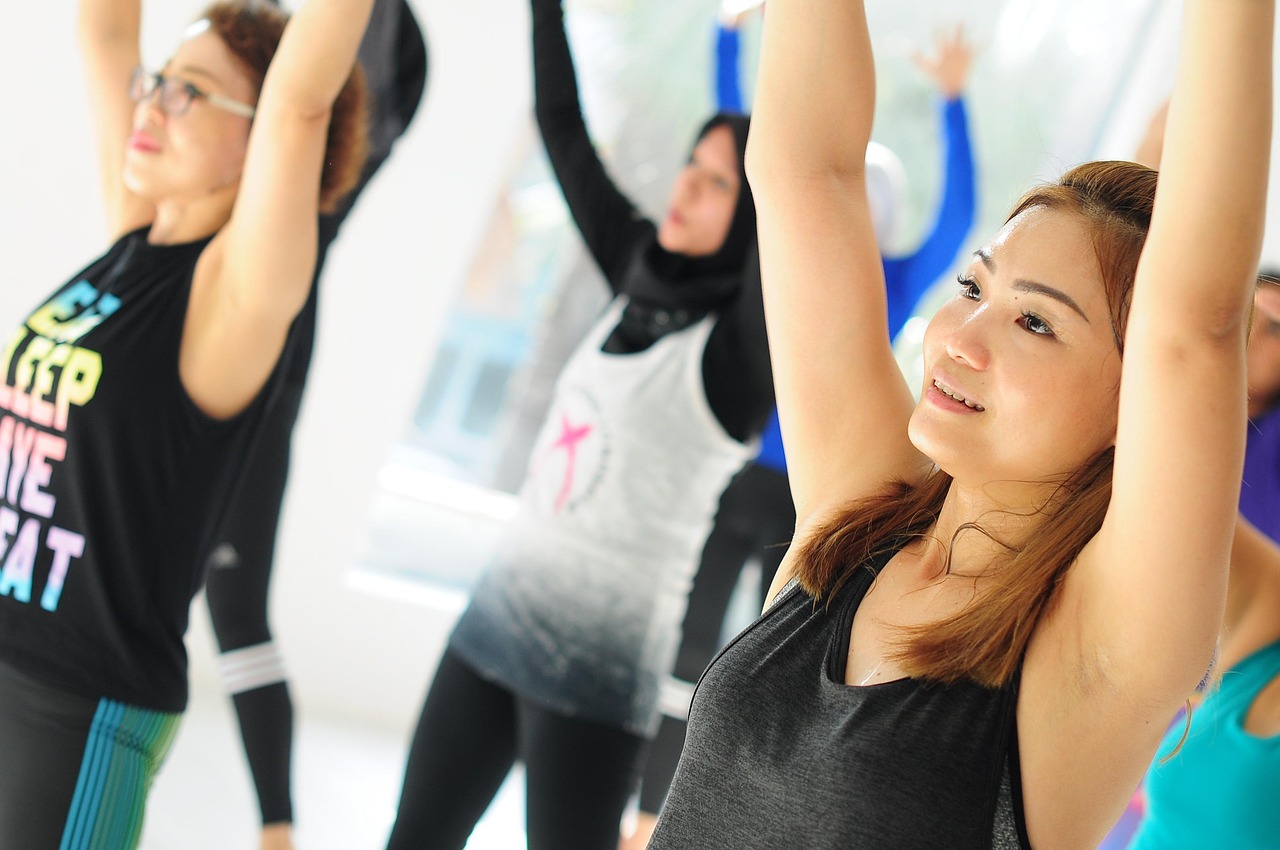
In today’s fast-paced world, older adults often face various stressors that can impact their overall health and well-being. Physical activity has been widely recognized as an effective way to combat stress, but group exercise classes offer additional benefits. These classes provide a supportive environment where participants can foster social connections and build relationships with others. The sense of community and belonging that emerges in these classes can significantly reduce feelings of loneliness and isolation. By participating in group activities, older adults not only work toward their fitness goals but also share emotions and experiences. Furthermore, engaging in structured exercise routines helps to release endorphins, which can enhance mood and promote a sense of overall happiness. Group exercise classes typically cater to varying fitness levels, ensuring that everyone can participate comfortably. This inclusivity creates an inviting space for seniors looking to manage stress effectively through physical activity. Additionally, motivation can increase when exercising alongside peers, making workouts more enjoyable and fulfilling. Clearly, group exercise classes present an excellent opportunity for older adults to improve their mental and emotional health through physical engagement.
Moreover, participating in group exercise classes provides older adults with structured options for stress relief. Activities such as yoga, tai chi, or water aerobics not only promote physical benefits but also help to align mental and emotional health. Each of these exercise modalities is designed to enhance flexibility, balance, and strength while focusing on relaxation techniques. These sessions often incorporate mindfulness practices, which assist participants in managing stress effectively. Mindfulness practices have demonstrated the ability to quiet racing thoughts and enhance individual awareness, leading to decreased anxiety levels. In a group setting, the guidance from instructors combined with social support makes the exercises even more beneficial. As participants progress in their routines, they may notice improvements in their overall health and resilience against stress. Furthermore, regular attendance at these classes can cultivate a sense of accountability. This aspect motivates older adults to prioritize their health amidst busy schedules, ultimately leading to more consistent exercise habits. By engaging in these thoughtfully planned workout sessions, older adults can establish a sustainable routine that nurtures both their physical and mental well-being.
The Importance of Social Connection
Social connection plays a crucial role in managing stress, especially for older adults who may experience heightened feelings of loneliness. Group exercise classes foster these connections by bringing individuals together who share similar interests in fitness and health. This atmosphere encourages participants to converse and form friendships while engaging in physical activity. Studies have shown that building social bonds can greatly enhance emotional support, which is vital for stress management. Knowing that others understand one’s experience can provide a sense of relief that reduces anxiety and promotes well-being. Additionally, these friendships may lead to increased motivation to maintain a regular exercise schedule. When individuals share their fitness journeys with others, they often feel a sense of camaraderie that expands beyond the class. Celebrating one another’s achievements can significantly uplift their spirits and reinforce positive feelings. Additionally, participants may also arrange social events outside the classes, which further strengthens their connections. This expanded social network can serve as a support system that helps individuals navigate life’s challenges more effectively. Therefore, the value of social connection through group exercise cannot be understated when discussing stress management for older adults.
Routine participation in group exercise classes may also offer older adults a structured outlet for stress relief after a hectic day. These classes provide designated time slots during which participants can shift their focus away from daily concerns. By concentrating on physical activity, they can effectively recharge both physically and mentally. This focus translates into a deeper engagement during workouts, allowing for a greater sense of accomplishment. The structured nature of these classes helps foster commitment and discipline, which can enhance motivation. Older adults learn to appreciate the importance of setting aside personal time for their health. These classes often become a highlights of their week, where they anticipate seeing friends and participating in enjoyable activities. As their fitness levels improve, participants may feel more empowered and confident, which contributes to reducing overall stress. The regular practice of releasing built-up tension through exercise enables individuals to reframe their perspectives when faced with stressful situations. Consequently, group exercise classes not only help in developing physical strength and endurance but also cultivate a healthier mindset that promotes resilience against stressors.
Impact of Physical Activity on Mental Health
The relationship between physical activity and mental health is well-established, particularly regarding stress management. Engaging in regular exercise releases endorphins, which are hormones that elevate mood and foster feelings of happiness. Participating in group exercise classes amplifies this effect as individuals benefit from both the workout and the social interaction. This duality creates a powerful environment for combating stress as participants engage in discussions about shared challenges and triumphs. Older adults can exchange tips and advice on managing stressors through physical activity, making their classes educational as well as enjoyable. Additionally, instructors often incorporate strategies that emphasize proper breathing techniques, which further aid relaxation during workouts. For example, deep, controlled breathing can activate the body’s natural relaxation response, promoting a calmer state of mind. These sessions can serve as an invaluable tool for stress management. In turn, improved mental health can lead to increased motivation to continue exercising regularly. Understanding this connection between mental and physical health is essential for older adults seeking a holistic approach to well-being. Consequently, group exercise serves as more than just a means to get fit; it’s a vital part of maintaining mental health.
In essence, group exercise classes provide a comprehensive solution for older adults looking to manage stress effectively through physical activity. By encouraging social interaction and personal accountability, these classes create an atmosphere conducive to fostering connections and improving mental well-being. The sense of community formed in these settings can significantly contribute to reducing feelings of anxiety and loneliness commonly faced in older age. Such classes also promote a disciplined routine, enabling participants to experience the many benefits physical activity has to offer. Furthermore, as individuals engage more in their communities, they become inspired, leading to improved motivation and self-esteem. This motivation becomes a catalyst to adopt healthier lifestyle choices beyond the classes. Older adults may find themselves exploring new activities, participating in social gatherings, or even mentoring others. This transformative journey emphasizes the profound impact physical activity can have on an individual’s life. Consequently, group exercise classes transcend mere fitness routines; they embody a holistic approach to well-being, particularly in managing stress. Therefore, it is essential to encourage older adults to prioritize their participation in such communal fitness opportunities for their overall health and happiness.
Conclusion
Overall, group exercise classes are invaluable resources for older adults aiming to manage stress effectively through physical activity. The combination of physical exercise, social interaction, and a supportive environment brings about numerous benefits for mental and emotional health. These classes help individuals build connections and foster friendships, which can vastly improve overall well-being. Additionally, the structured approach to exercise leads to more consistent attendance, creating a sustainable habit that contributes to their fitness journeys. Recognizing the importance of prioritizing physical activity may lead older adults to embrace healthier lifestyles, ultimately enhancing their quality of life. Furthermore, taking part in these classes may serve as a stepping stone to a variety of new experiences and social opportunities. By encouraging older adults to join group exercise classes, we can empower them to take control of their well-being and manage stress effectively. As communities come together to support their older members, the ripple effects can bring greater joy and fulfillment to their lives. Thus, group exercise classes truly illuminate the path toward healthier, happier aging for older adults.
In conclusion, engaging in physical activities is essential for aging adults to maintain their health and happiness. Group classes present a unique solution for stress management and may substantially improve older adults’ overall quality of life. Through shared experiences in a community setting, seniors reap both the physical benefits of exercise while enjoying camaraderie that eases the burdens of daily life.