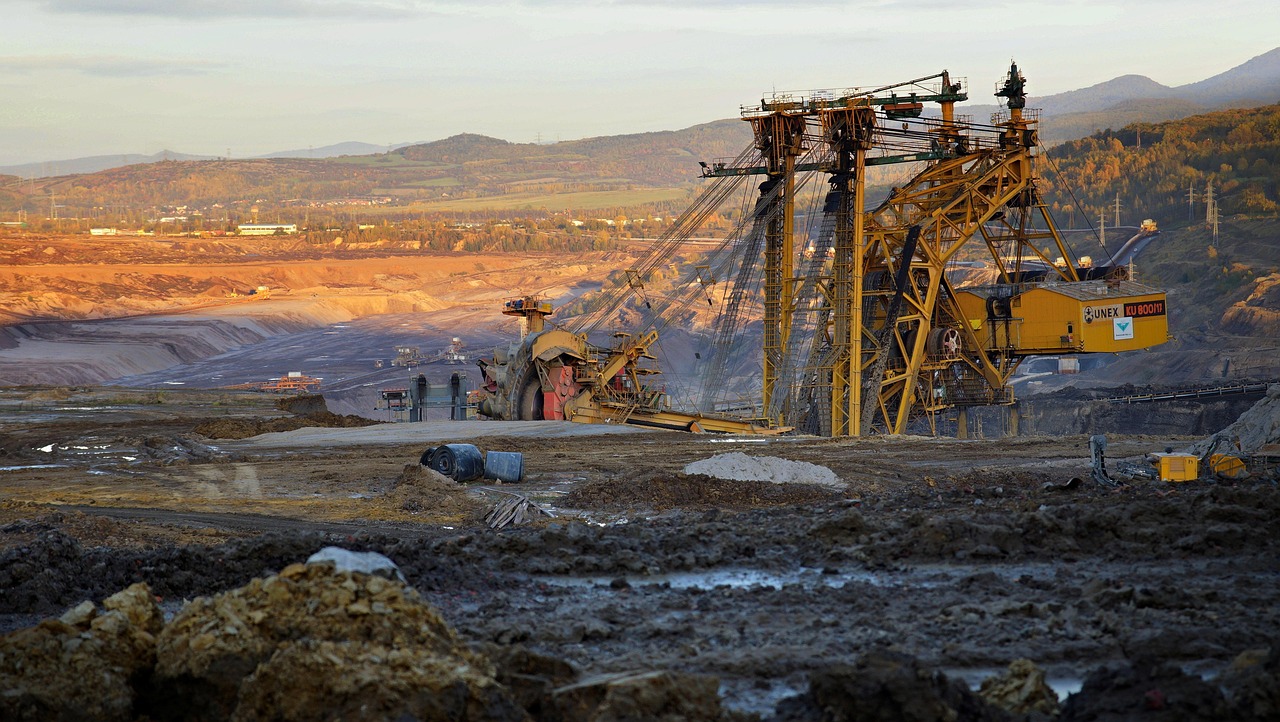

Ergonomic Risks in Mining and Extraction Jobs
Mining and extraction jobs present unique ergonomic risks that must be addressed for worker safety and efficiency. Workers in these sectors often face physically demanding tasks, including lifting hefty loads, prolonged standing, and repetitive motions. In underground mining, workers navigate confined spaces, potentially straining their bodies in unnatural postures. Furthermore, the machinery they operate can require repetitive motions, leading to musculoskeletal issues over time. To assess these risks, it is vital to observe and analyze work patterns and environments. This can entail monitoring the movements workers execute and pinpointing potential hazards. Implementing ergonomic assessments can reveal areas of improvement and facilitate necessary adjustments in both work practices and equipment design. Companies should prioritize ergonomic training to ensure that workers are educated about safe lifting techniques and posture. Additionally, introducing assistive devices can further alleviate the physical strain experienced in mining. Recognizing the importance of ergonomics in these settings not only enhances productivity but also significantly contributes to overall job satisfaction and worker retention. Many industries can benefit from a comprehensive approach to assessing and addressing workstation design and job functions.
One of the primary ergonomic challenges in mining involves lifting heavy equipment and materials. Workers frequently engage in manual handling tasks that place significant strain on their backs and joints. To mitigate these challenges, adopting proper lifting techniques becomes crucial. Workers should be trained to use their legs for lifting while keeping the load close to their bodies. Employers can also enhance safety by providing mechanical aids such as hoists and conveyors. These devices can reduce physical load on workers and minimize the risk of injury. Additionally, the arrangement of tools and materials should be considered ergonomically to ensure easy access and minimize unnecessary reaching or bending. Furthermore, workstations need to be properly designed to allow for comfortable postures. Ergonomic tools, including adjustable platforms and supportive seating arrangements, may improve worker comfort. It’s also essential to promote regular breaks, allowing employees ample time to recover from intense tasks. Incorporating stretches can aid in preventing injuries. Addressing the ergonomic challenges in lifting and manual handling is vital. Companies must actively seek ways to evaluate their processes and invest in ergonomic solutions that promote worker safety and well-being.
Postural Strain in Confined Spaces
Working in confined spaces is another common scenario for mining and extraction workers. Such environments limit movement and impose unnatural postures, leading to increased musculoskeletal disorders. Employees may be forced to crouch, bend, or twist their bodies for extended periods, increasing the risk of injury. To combat these challenges, employers can systematically evaluate job tasks and adjust them based on ergonomic principles. Tall workers may struggle in low headroom areas, while broader individuals face challenges with space inadequate for movement. Assessing the dimensions and accessibility of mining sites is essential. Employing tools and equipment designed for confined spaces can also help mitigate strain. In some cases, redesigning workflows to minimize constant repositioning or excessive physical strain becomes necessary. Flexible tools, such as adjustable wrenches or lightweight drills, can aid workers significantly. Regular training on body mechanics and awareness of ergonomic principles can empower workers to adopt safer movements. Ensuring adequate communication about potential hazards is vital, as collaboration aids in developing effective strategies for improving ergonomic conditions in confined spaces, fostering a safer work atmosphere.
In addition to manual labor challenges, mining jobs can often expose workers to uncomfortable environmental conditions. Excessive heat or cold can exacerbate ergonomics concerns dramatically. Heat stress can lead to fatigue and errors in judgment, increasing the risk of accidents. Conversely, cold exposure may result in numbness, reducing workers’ dexterity and increasing the likelihood of strains and sprains. Employers must ensure that appropriate clothing and safety gear are provided to maintain a comfortable work temperature. Air quality should not be overlooked either; effective ventilation reduces heat stress and prevents respiratory issues that can impose further ergonomic challenges. Monitoring workplace temperatures and humidity levels is crucial, as they directly impact worker efficiency and safety. Alongside environmental factors, the mental demands of mining work can contribute to physical strain. Cognitive loads that arise from quickly changing situations or alerts add stress, further affecting overall postural integrity. Developing a clear organizational structure within the team helps manage workloads and reduces unnecessary psychological stressors. By recognizing the impact of environmental factors on worker ergonomics, mining companies can create a focused plan to safeguard worker health.
The Importance of Training Programs
Training programs focusing on ergonomic practices are essential for enhancing workplace safety in mining and extraction industries. Properly educating employees on the risks and techniques they can employ is paramount. These educational initiatives can foster a culture of safety where workers actively participate in their well-being. Training should include modules on recognizing ergonomic hazards, proper work techniques, and methods for incorporating breaks. Workshops that simulate lifting techniques can prepare employees for real challenges they face within their jobs. Incorporating assessments and feedback opportunities within these programs is critical for ensuring effectiveness. Additionally, training for supervisors focused on recognizing ergonomic issues can support a comprehensive approach to safety within teams. Adequately trained management staff can influence workplace practices significantly. Regularly refreshing training content helps workers stay aware of updated techniques and keeps the team engaged. Successful implementation requires continual evaluation and feedback mechanisms to identify areas needing reinforcement. An organization that invests in its workers’ ergonomic education demonstrates a commitment to their long-term health. As such, training benefits both the company and the employees by fostering higher productivity and reduced injury rates over time.
Worker feedback is an integral part of addressing ergonomic challenges within mining environments. Employees are best positioned to identify problematic factors concerning ergonomics as they are the ones experiencing them firsthand. Encouraging open communication can lead to valuable insights that employers might overlook. Regular check-in meetings with workers can spark discussions around discomfort or hazards they may encounter. Moreover, implementing a reporting system for ergonomic problems creates a formalized way for staff members to express their concerns. This system should prioritize swift responses to ensure ongoing safety. Using data collected from worker feedback allows for more informed decisions when adjusting ergonomics. Actively involving workers in the assessment process demonstrates that their safety matters. Employers might also consider seeking advisory committees that include employees from various fields within the mining sector. Their collective expertise can foster innovative ergonomic solutions tailored to specific challenges. By soliciting feedback and implementing it constructively, companies can create a safer and more productive work environment for everyone. This proactive approach, focusing on employee involvement, enhances overall workplace morale while minimizing injuries and boosting productivity.
Conclusion: The Path Forward
To overcome ergonomic risks in mining and extraction jobs, a multi-faceted approach is required. First, companies must invest in training programs that empower workers to recognize and address ergonomic issues. Emphasizing ergonomics from the start of employment lays the groundwork for a safer workplace culture. Second, investing in ergonomic equipment can significantly alleviate physical strain. This might involve modifying workstations or providing supportive tools focused on comfort and efficiency. Regular assessments should be performed, which include asking for worker input, ensuring that the workforce feels involved in the decision-making process. These evaluations can highlight areas demanding immediate attention and demonstrate that safety remains a top priority. Ultimately, fostering a culture where safety and ergonomics are valued can lead to long-term improvements in employee health and productivity. Collaborative efforts among management and workers cultivate a more resilient workforce less susceptible to injuries. Alignment of comprehensive training with proactive measures will contribute significantly to creating a sustainable and effective work environment in the mining sector. Companies that prioritize ergonomic practices will not only foster happier and healthier workers but also enhance overall operational effectiveness.