
How to Optimize Your Spinning Sessions for Race Performance
Spinning sessions are an excellent way to prepare for cycling competitions. They boost your cardiovascular fitness and leg strength, which are crucial for race success. To optimize your spinning, focus on form and technique first. Maintaining a proper posture can enhance your efficiency significantly. Ensure your elbows are slightly bent and your core is engaged. Additionally, adjusting your bike settings, such as seat height and handlebar position, will promote comfort during intense workouts. Hydration is equally important; consume water before, during, and after your spins to maintain optimal performance levels. Incorporate varied intervals into your routine, mixing high-intensity bursts with recovery periods to improve your endurance. Effective spin training also involves setting clear goals for each session, such as distance or time targets. Remember to listen to your body and avoid overtraining. Lastly, after each spinning session, take time for cool-down stretches to prevent muscle tightness and increase your flexibility. This routine prepares your muscles for the race conditions they will face. Prepare well and enjoy your spinning sessions as you gear up for competition!
Nutrition plays a pivotal role in optimizing your spinning sessions for race performance. Fueling your body with the proper nutrients before and after spinning is essential. Focus on consuming a balanced diet that includes carbs, protein, and healthy fats. Carbohydrates provide the energy needed for high-intensity sessions. Consider incorporating foods like oatmeal or bananas into your pre-workout meal. Post-session, a recovery shake or meal containing protein can help repair muscle tissue and replenish glycogen stores. Omega-3 fatty acids from fish or flaxseeds can enhance recovery by reducing inflammation. The timing of your meals around training sessions can also impact your performance. Aim to eat a substantial meal 3-4 hours before spinning and follow up with a snack within 30 minutes post-workout. Proper nutrition doesn’t end with meals; hydration must remain a priority. Electrolyte beverages can benefit especially long or intense spinning classes. Experiment with different food combinations to find what works best for your body and digestive system during races. Keeping a food journal can help track what affects your performance positively or negatively. Consistent nutrition strategies lead to improved race outcomes.
Incorporate Strength Training
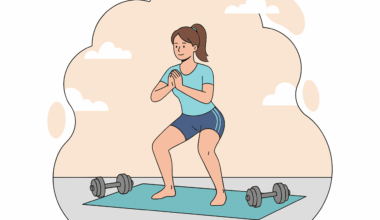
Incorporating strength training into your fitness regimen can significantly enhance your spinning performance for cycling competitions. Building muscle through resistance training focuses on your major muscle groups, like quads, hamstrings, and calves, which are critical in cycling. Aim for at least two days of strength training per week, integrating exercises like squats, deadlifts, and lunges. These movements simulate cycling motions and improve power output. Additionally, don’t overlook your core; a strong core stabilizes your body during intense spins, ensuring effective power transfer. Consider adding upper body exercises to balance overall strength. Using resistance bands or free weights can be effective for muscle engagement. It’s essential to allow adequate recovery time between sessions as muscles need time to repair and grow stronger. Periodization is crucial; alternate between high-intensity workouts and moderate training weeks to enhance performance in the long run. Remember, consistency is key in strength training as well as in your spinning routine. Recording your progress over weeks will help set benchmarks and keep you motivated. Regularly mix modalities of training to maintain a stimulated and engaged practice.
To optimize your spinning sessions effectively for race performance, understanding your energy zones is crucial. Familiarizing yourself with heart rate zones helps you allocate effort per training session. Typically, cyclists train within zones 1 through 5, with each zone representing a different intensity level. Zone 1, for example, targets active recovery, while Zone 5 is those maximum efforts for short periods. Aim to spend variations of time across these zones to create a well-rounded training plan. Utilizing a heart rate monitor during your sessions allows you to stay in the correct zone for your objectives. Consider incorporating a power meter to quantify cycles exerted during spins accurately. This data-driven approach can provide insights into your performance and facilitate self-assessment. Balance between high-intensity intervals and steady-state efforts is crucial to building aerobic endurance while also boosting lactic tolerance for longer race efforts. Additionally, test your fitness through field tests or time trials and adjust your regimen accordingly. Adapting your training based on data received will lead to more substantial improvements and prepare you for specific competitive events.
Mindset and Mental Strategies
To optimize your spinning sessions for race performance, mental preparation is as vital as the physical aspect. Developing a strong mindset can lead to enhanced focus and resilience during high-pressure situations, such as competitions. Visualizations and positive affirmations can significantly improve your confidence levels and help you prepare for race scenarios. Spend time before each spinning session visualizing successful outcomes and pushing through difficulties, creating a mental blueprint for optimal performance. Mindfulness and meditation techniques can reduce anxiety and improve your mental clarity. Practicing these strategies can help you maintain composure during your spins when exhaustion sets in. Additionally, setting realistic and achievable goals can help enhance your mental toughness. Short-term goals during spins lead to long-term performance improvements, which can be motivating. Engage with a coach or join spinning communities to foster a supportive environment. Sharing experiences with fellow cyclists often leads to valuable insights and inspired mental strategies. Stepping outside your comfort zone challenges your mind and body, yielding performance gains. Embrace every session as an opportunity for growth, both mentally and physically, while preparing for competitive cycling.
Recovery strategies after spinning sessions should not be overlooked when optimizing for race performance. Recovery plays a significant role in overall fitness and helps you bounce back from intense training sessions more effectively. Incorporate rest days into your training regime; they allow your muscles to recover and grow stronger. Sleep is another crucial recovery element; aim for 7-9 hours of restorative sleep to facilitate healing processes. Techniques such as foam rolling and stretching can enhance muscle recovery after workouts. These practices help alleviate soreness and improve flexibility, contributing to injury prevention. Active recovery days, featuring low-intensity activities like gentle cycling or walking, also promote blood flow and accelerate recovery. Nutrition, as previously discussed, should also focus on recovery aspects, as food choices can significantly impact the recovery process. After intense workout sessions, replenish lost nutrients promptly to expedite healing. Finally, listen to your body. If you experience persistent fatigue or soreness, consider adjusting your training plan to include more recovery. Ultimately, embracing recovery as an essential part of your training can lead to more sustainable success in racing competitions.
Utilize Technology
Leveraging technology can significantly enhance your spinning sessions and race performance preparation. Many cyclists today use apps and devices to track workout metrics, which can provide valuable insights. Smart trainers, for example, allow you to simulate real-world cycling conditions indoors. They provide data like cadence, power output, and heart rate, which are essential for refining spinning strategies. Fitness apps can help design custom training plans that cater to your specific race goals. Online communities allow athletes to share data, enabling knowledge exchange and motivation. Consider using fitness trackers to monitor daily activity levels and sleep patterns as well. Data gathered can inform your recovery needs and adjust your training sessions accordingly. Furthermore, virtual spinning classes can add excitement to your workouts by providing variety and structure. Engaging with remote instructors and fellow participants enhances accountability and a sense of community, which can amplify motivation. Always ensure to calibrate your devices for accurate readings, as precise metrics greatly aid effective training. Remember that technology is a tool; how wisely you use it determines your enhancement in race performance. Embrace innovative solutions to accelerate your overall goals.
Training for cycling competitions requires dedication and a well-rounded approach. Through focused spinning sessions, nutritional awareness, mental strategies, recovery, and the utilization of technology, you can prepare effectively for race day. Aim to establish a personalized training plan that tackles your specific needs and goals. Engaging with professionals in cycling, such as coaches or nutritionists, can provide tailored insight and recommendations to elevate your routine. Track your progress frequently; consistently assessing results against set benchmarks will guide you towards your objectives. Encourage a supportive network of fellow cyclists, as camaraderie can provide motivation during intense training phases. Participate in local cycling events to stay motivated and experience the race atmosphere before the main event. Always reflect on your experiences after sessions to identify areas for improvement. Prioritize enjoyment in your spinning sessions; having fun with your training makes the journey to competitions more gratifying. Lastly, maintain diligence by sticking to your established plans, adjusting as necessary based on progress and feedback. With commitment and the right strategies, not only will you enhance your spinning performance, but you’ll also position yourself favorably for success in upcoming races.