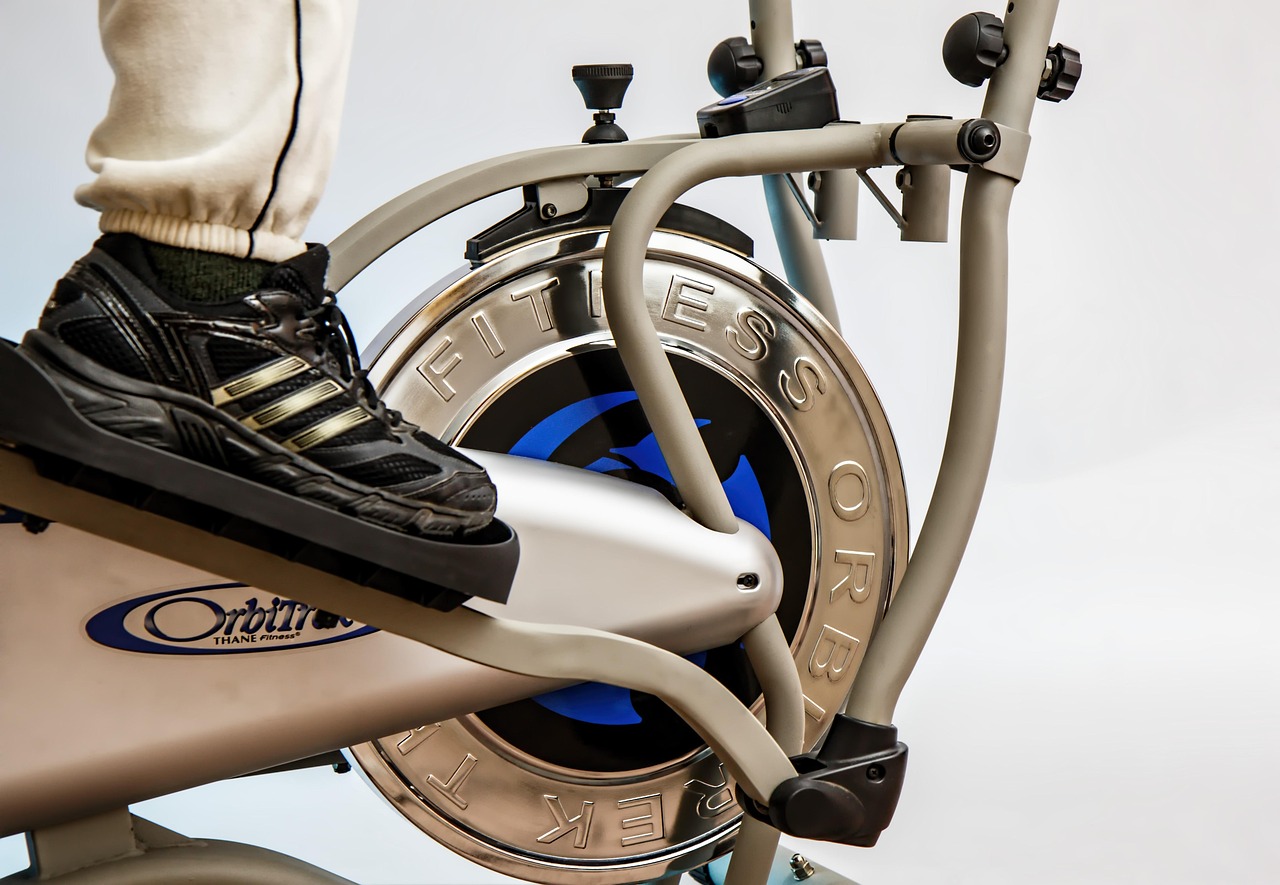

Combining Weights and Cardio: A Winning Formula for Weight Loss
When it comes to shedding pounds, a well-structured workout plan incorporating both weights and cardio is paramount. Weights help build muscle, which in turn boosts your metabolism, allowing your body to burn more calories even while at rest. Cardiovascular exercises enhance heart health and increase calorie expenditure during workouts. Together, they create a powerful synergy. This combination activates various muscle groups, leading to better overall fitness and more effective weight loss. To make the most of this approach, it is essential to devise an appropriate schedule that considers your fitness level and goals. Start with a balanced routine that prioritizes both elements. A great way to structure your workouts is the following: alternate weightlifting sessions with cardio days for optimal recovery. Enthusiasts often favor high-intensity interval training (HIIT) as it combines short bursts of intense effort followed by rest periods, maximizing caloric burn. Be sure to allow for flexibility in your routine, adjusting the intensity and duration based on how you feel. Tracking your progress can greatly assist in maintaining motivation and committing to your weight loss journey.
The Benefits of Strength Training
Strength training plays a significant role in weight loss, as it increases lean muscle mass. Muscle is metabolically active, which means it requires more energy to maintain than fat. Therefore, the more muscle you have, the higher your resting metabolic rate becomes. This allows you to burn calories even while not working out. Furthermore, incorporating weights into your fitness routine helps improve your posture, balance, and overall strength, which are crucial for daily activities. Strength training should ideally be performed two to three times a week. Exercises such as squats, deadlifts, and bench presses are effective choices that target multiple muscle groups simultaneously. It is beneficial to vary the exercises and gradually increase the weights to ensure continued progress without plateauing. Additionally, weight training helps prevent weight regain after a successful weight loss period, as it creates a robust metabolic foundation. Engaging in strength training lowers the risk of chronic diseases, such as diabetes and heart disease, by improving insulin sensitivity. All these factors make strength training indispensable for anyone serious about weight loss and overall health.
On the other hand, cardiovascular exercise provides ample opportunities for burning significant calories quickly. Activities like running, cycling, and swimming are excellent for improving cardiovascular endurance and stamina. Cardio workouts elevate your heart rate, thus promoting fat oxidation while effectively elevating your metabolic rate post-exercise. Ideally, aim for at least 150 minutes of moderate-intensity cardiovascular exercise weekly. You can achieve this by scheduling sessions of 30 minutes a day, five days a week. Another excellent option is combining shorter, more intense sessions of cardio with longer, steadier workouts. Interval training can be especially effective; for example, alternating between brisk walks and light jogging for 5-minute intervals. It not only improves your cardiovascular efficiency, but also ensures calorie burning continues long after the workout is over. Cardio can effectively relieve stress, uplift your mood, and foster greater mental clarity, making it a vital component of any dual approach to fitness and weight loss. Ultimately, selecting a variety of cardiovascular activities you enjoy is crucial, as it helps maintain consistency and long-term adherence to your fitness plan.
Creating a Balanced Workout Plan
Crafting a balanced workout plan that includes both weights and cardio is key to long-term success. Start by assessing your existing fitness level. If you’re a beginner, you might want to begin with lighter weights and lower cardio intensity. Consider a workout schedule that incorporates weight training two to three times a week, allowing ample recovery time between sessions. For cardio, plan to include at least two separate sessions a week. Vary the type of cardio exercises to keep your routine engaging. Incorporate different elements like jogging, cycling, swimming, or group classes. Diversifying your workouts not only combats boredom but also challenges your body in new ways, promoting continuous improvement. Make sure to include a proper warm-up and cool-down period before and after workouts. Additionally, paying attention to diet complements these workouts significantly in achieving weight loss goals. Develop a meal plan rich in whole foods, emphasizing lean proteins, healthy fats, and plenty of fruits and vegetables. Hydration is equally important; ensure you’re drinking enough water throughout the day, particularly before, during, and after exercise, to support optimal performance and recovery.
As you progress through your fitness journey, continually track your improvements and set achievable goals. Maintaining a workout journal can significantly aid in this endeavor, providing not only clarity but also motivation. Document your workouts noting weight lifted, cardio duration, and how you feel during those sessions. Monitoring your progress allows for quicker adjustments to your plan should you hit a plateau. Celebrating small victories along the way can provide additional motivation to keep moving forward. It’s important to listen to your body; if feeling fatigued, allow yourself rest days or opt for lighter sessions. Identify your fitness milestones and create short and long-term goals to stay on track. Adapting your routine as you grow stronger keeps the body challenged while preventing fatigue. Connecting with others who share similar aspirations can also boost morale. Whether online or through local fitness groups, engaging with a community can enhance accountability, support, and motivation on challenging days. Regular check-ups with trainers or fitness professionals can give you additional insights tailored to your unique needs, especially related to weight loss.
Nutrition’s Role in Weight Loss
While exercise is fundamental for weight loss, nutrition plays an equally crucial role in achieving and maintaining a healthy weight. A well-balanced diet, rich in whole foods, should complement every workout plan. Focus on incorporating lean proteins, such as chicken and legumes, as they are vital for muscle repair and growth. Complex carbohydrates, like whole grains and vegetables, provide necessary energy for workouts. Healthy fats from sources such as avocados, nuts, and olive oil sustain energy levels and support overall health. Be mindful of portion sizes and consider tracking your meals for transparency and accountability. Eating mindfully helps you develop a healthy relationship with food, enhancing your physical performance. It is also vital to plan meals ahead to prevent impulsive choices made in hunger. If possible, consult with a registered dietitian if you have specific dietary concerns or goals. They can offer personalized advice tailored to your fitness needs and preferences. Drinking plenty of water becomes invaluable, as well; hydrating helps maintain energy levels during workouts and allows for improved recovery afterward.
Finally, the combination of weights and cardio is not merely a strategy to lose weight but to develop a healthier lifestyle overall. Exercise positively influences your mental health, promotes better sleep, and helps manage stress levels. This holistic approach to fitness, when paired with a nutritious diet, can improve quality of life significantly. Remember, consistency is the key to any successful endeavor. The path to weight loss may present challenges, but staying focused on creating a balanced lifestyle will pay dividends over time. Embrace the journey and remember that the goal is not only to look better but to feel better, too. Incorporating consistency through daily habits defines long-term success, allowing for sustainable weight loss and a more active lifestyle in the years to come. Stay engaged in your activities, choose exercises and foods you genuinely enjoy, and maintain a positive mindset. Soon enough, you’ll appreciate the benefits of your efforts, elevating energy levels and embracing a body that reflects your hard work and dedication. Perseverance is essential; celebrate every small achievement and continually strive toward your ultimate goals.
In conclusion, combining weights and cardio present an effective formula for weight loss. The integration fosters a comprehensive approach to fitness, addressing both muscular and cardiovascular health. The key lies in establishing a strong foundation through structured workouts and a balanced diet. As you embark on your fitness journey, define your goals clearly, create an engaging workout routine, adapt as necessary, and prioritize well-being. Remember to connect with others for support and, most importantly, cherish every achievement along the way. Striking a balance between strength training and cardiovascular workouts facilitates significant outcomes and a healthier lifestyle overall.