
Hydration and Cardiovascular Training: Key Factors in Rehabilitation Success
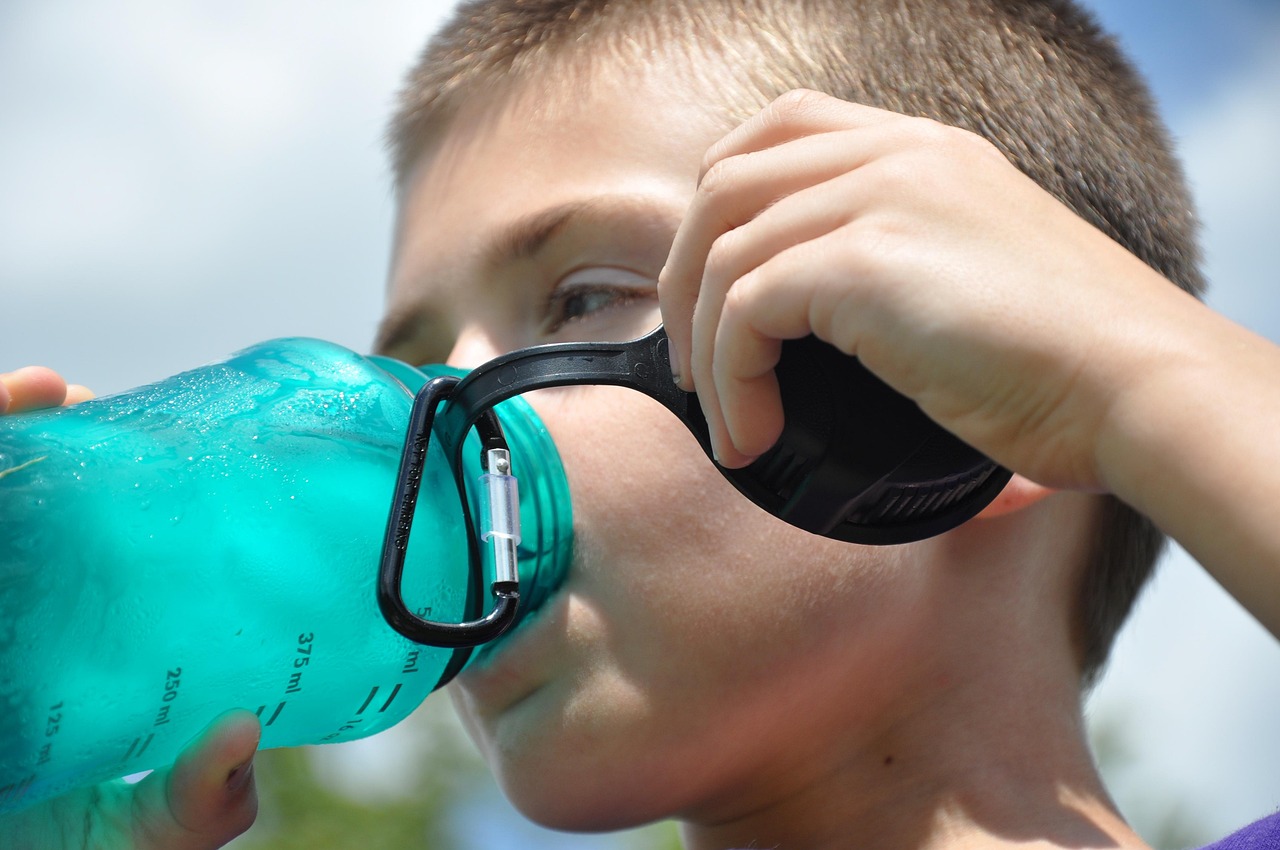
Hydration plays a significant role in cardiovascular training, especially during rehabilitation. Effective hydration can enhance performance by regulating body temperature and enabling efficient muscle function. Patients recovering from cardiovascular issues often face a greater risk of dehydration due to reduced physical activity. It’s essential for them to maintain proper fluid levels to support cellular function. Dehydration may lead to fatigue, muscle cramps, and increased heart rate, which can hinder progress during rehabilitation. Staying properly hydrated can promote better blood circulation and enhance nutrient delivery to the heart. Moreover, hydration can reduce cardiovascular strain. Water is essential for blood volume maintenance, which supports the heart and reduces workload. Healthcare providers frequently recommend specific hydration strategies tailored to individual patient needs. Proper hydration should incorporate both liquid intake and electrolyte balance. For individuals undergoing rehabilitation, it’s also beneficial to assess fluid loss through sweat and adapt their intake accordingly. It’s vital for recovery and managing physical stress during cardio training. Regular monitoring of hydration status is advisable to ensure optimal health outcomes. Overall, understanding hydration’s role enables a more effective rehabilitation process in cardiovascular training.
Alongside hydration, nutrition complements cardiovascular training significantly in rehabilitation settings. A balanced diet provides the essential nutrients required for healing and performance. Patients should focus on consuming a variety of foods to meet their nutritional needs. Carbohydrates, proteins, and healthy fats must be included in their meals. Carbohydrates supply energy for workouts, while proteins support muscle repair and growth. Healthy fats are also crucial for cardiovascular health and hormone regulation. Incorporating fruits and vegetables into meals provides vital vitamins and antioxidants, bolstering the immune system. Proper nutrition enhances the body’s ability to recover and adapt to training demands. Planning meals around workouts can optimize performance and recovery times. For those in rehabilitation, proper meal timing and portion size play critical roles in achieving desired outcomes. Consulting with a nutritionist can ensure that rehabilitation patients receive tailored nutrition advice suited to their specific conditions. Supplements may also be considered, depending on individual dietary deficiencies. However, it’s vital to approach supplementation cautiously and under professional guidance. Nutritional education is pivotal for instilling healthy eating habits and fostering long-term well-being. Ultimately, nutrition and hydration together form a foundation for successful rehabilitation in cardiovascular training.
Exercise selection is another key element of cardiovascular training during rehabilitation. Choosing the right types of exercises can significantly impact overall recovery progress. Low-impact cardio options are usually preferred to minimize joint strain while promoting cardiovascular fitness. Options such as stationary cycling, swimming, or walking are commonly recommended for patients. These activities enhance endurance, improve circulation, and help regulate weight without overexerting the body. Gradual progression in intensity and duration allows the heart to adapt while continuing to build strength and stamina. Designing a tailored exercise program ensures that patients work within their limitations. Incorporating interval training can also yield benefits while allowing the body adequate recovery periods. This approach can enhance cardiovascular efficiency further while preventing workout monotony. Supervised exercise sessions are often beneficial, as they allow healthcare professionals to monitor patients closely. Education on proper techniques also improves exercise safety and effectiveness. Incorporating strength training can bolster overall rehabilitation by supporting cardiovascular efforts. Balancing cardio with resistance work fosters stronger muscle groups, which can enhance functionality. Individualized exercise plans promote better adherence, making the rehabilitation process more successful. Ultimately, selecting suitable exercises can lead to significant improvements in cardiovascular health.
The Importance of Monitoring Progress
Monitoring progress in rehabilitation is crucial for ensuring positive outcomes in cardiovascular training. Regular assessments provide valuable insights into a patient’s recovery, highlighting areas of improvement or adjustments needed in their program. Healthcare providers typically track key metrics, such as heart rate, exercise duration, and intensity levels. These metrics help gauge the patient’s performance and tailor future goals effectively. Monitoring can also help identify potential complications early, allowing timely interventions. Patients often benefit from keeping a training log to record their experiences and feelings during workouts. This reflective practice aids in understanding personal strengths and weaknesses throughout rehabilitation. Additionally, biofeedback tools may be utilized to provide real-time data on cardiovascular responses to exercise. Such technology can guide patients in adjusting their efforts accordingly. Setting short-term and long-term goals is essential for maintaining motivation and accountability. Progress can be measured through regular evaluations such as fitness tests or functional assessments. Collaborative goal setting between patients and healthcare professionals fosters a sense of ownership in the rehabilitation process. By consciously tracking progress, patients may feel empowered to embrace their path toward improved cardiovascular health.
Psychological factors also greatly influence rehabilitation success in cardiovascular training. Mental well-being can directly affect motivation and adherence to exercise regimens. Patients may encounter emotional challenges or anxiety, particularly following a cardiovascular event. Addressing these psychological barriers is essential for achieving recovery goals. Support from mental health professionals can be incredibly valuable during this process. Techniques such as cognitive-behavioral therapy and mindfulness may help patients cope with stress and anxiety. Creating a supportive environment encourages open conversations about mental health and fosters resilience. Social support plays a significant role in rehabilitation. Patients who engage in group exercises or have workout partners often report higher levels of motivation and accountability. Communicating openly with healthcare providers also reduces feelings of isolation and encourages team collaboration in decision-making regarding rehabilitation strategies. Setting realistic expectations helps to manage frustration during the recovery process. Encouraging positive self-talk and visualization techniques can also aid in maintaining motivation. By nurturing both physical and emotional health, rehabilitation becomes a more holistic endeavor. Ultimately, addressing psychological aspects creates a balanced approach, contributing significantly to successful outcomes in cardiovascular training.
Building a Sustainable Routine
Establishing a sustainable exercise routine is fundamental to long-term cardiovascular health in rehabilitation scenarios. Patients must develop habits that promote consistency in their physical activity. To achieve this, creating a structured schedule that incorporates regular workouts is essential. Incorporating variety enhances engagement and reduces the risk of burnout or monotony in exercise. Patients should explore different modalities of cardio training to discover their preferences and find enjoyment. By varying their workouts, patients can remain excited about their routines while fostering resilience to challenges within rehabilitation. Additionally, setting specific, measurable, achievable, relevant, and time-bound (SMART) goals provides clarity in their journey. Working towards achieving these goals cultivates a sense of accomplishment and reinforces adherence. Social interactions can enhance routine sustainability. Finding a workout buddy or joining group classes may provide encouragement and develop camaraderie among peers. Tracking progress using apps or journals keeps patients engaged and motivated. Celebrating small victories enables patients to realize their progress throughout rehabilitation. Establishing a routine does not only increase physical readiness but also strengthens mental commitment to recovery. Thus, a consistent and enjoyable exercise program directly influences successful rehabilitation outcomes.
Incorporating feedback is critical to refining a cardiovascular training program during rehabilitation. Feedback can come from various sources, including healthcare professionals, self-assessments, and monitoring tools. Open communication fosters an environment where patients express concerns, providing insight into their experiences. Feedback allows for adjustments in exercise intensity, duration, or frequency to ensure safety and efficacy. Healthcare professionals can offer guidance based on observed performance and heart health metrics. Incorporating patient feedback enables a more holistic approach to rehabilitation, where individual preferences are valued. Self-assessment tools, like perceived exertion scales, empower patients to evaluate their own exertion levels, leading to more informed decisions about workout intensity. Regular check-ins with healthcare providers encourage ongoing discussions about progress and setbacks alike. This adaptive approach ensures that rehabilitation remains responsive to patients’ evolving needs. Flexibility in program design is essential to account for fluctuations in motivation or physical condition. Establishing a culture of ongoing evaluation reinforces the notion that rehabilitation is a dynamic process. By integrating feedback into cardiovascular training, patients can pave the way for steady improvements and successful rehabilitation outcomes.
Ultimately, success in cardiovascular training during rehabilitation hinges on a multi-faceted approach. Hydration, nutrition, exercise selection, progress monitoring, and psychological support all contribute to achieving optimal health outcomes. Recognizing the interplay of these factors fosters a better understanding of the rehabilitation process. By addressing physical and mental aspects, recovery becomes a more holistic experience for patients. Creating an environment focused on personalized care enhances the effectiveness of rehabilitation protocols. Encouraging patient involvement reinforces accountability, motivating individuals to stay committed to regimens. A collaborative approach involving patients and healthcare professionals is crucial in navigating the complexities of rehabilitation. As patients progress through their recovery journey, continued education and empowerment bolster their self-efficacy and confidence. The integration of evidence-based practices supports the development of effective and innovative rehabilitation strategies. Staying updated on the latest research and trends ensures that rehabilitative approaches remain relevant and impactful. Ultimately, fostering a culture that emphasizes comprehensive care sets the groundwork for long-term success in cardiovascular health. By embracing the principles of hydration, nutrition, psychological well-being, and exercise, patients can thrive during their rehabilitation journey.