
Stretch and Flexibility Routines for Group Fitness Enthusiasts
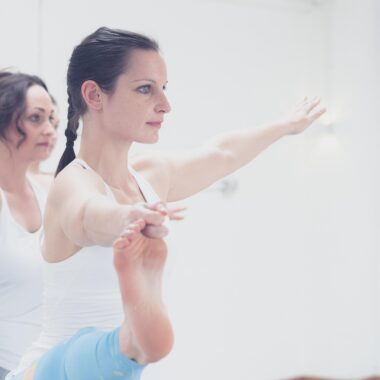
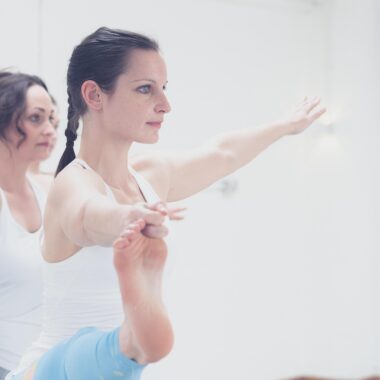
Stretching and flexibility routines play a crucial role in enhancing overall fitness. These routines are essential whether you’re a beginner or a seasoned group fitness enthusiast. They not only improve your muscle elasticity but also increase your range of motion, leading to better performance in various exercises. The importance of warm-up stretches prior to any group fitness class cannot be overstated. Warm-up exercises prepare your muscles for more intensive activities, reducing the risk of injury. Incorporating stretches into your routine can significantly impact your overall effectiveness in fitness classes. Examples include dynamic stretches that keep you moving, which enhance blood flow to your muscles. Static stretches are equally effective as they help in maintaining muscle length post-workout. Ensuring your group features a balanced approach to flexibility can lead to improved results and satisfaction. Always remember to listen to your body while stretching, as pushing too hard can lead to strains. You can gradually work toward deeper stretches as your flexibility improves. Joining a community group can also motivate you to stick to your routines and achieve your flexibility goals more effectively.
The Key Benefits of Stretching
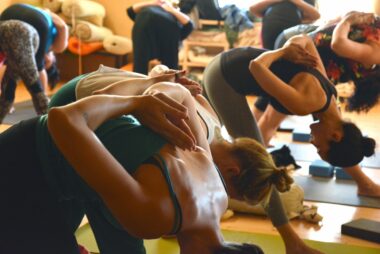
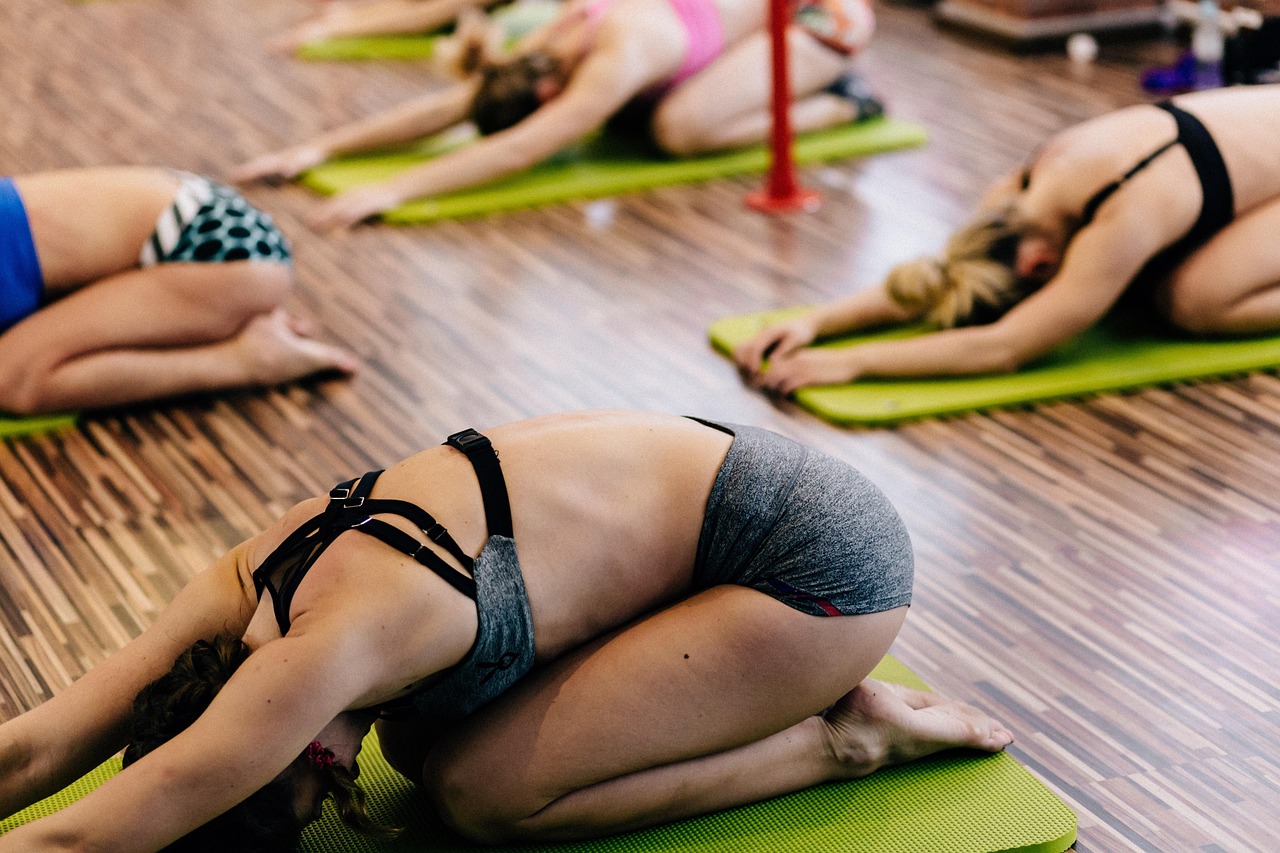
Participating in group fitness classes that include stretching routines can foster numerous benefits. First and foremost, improved flexibility allows for better posture, which is essential for everyday activities. This can alleviate discomfort caused by muscle tightness and poor alignment. Enhanced flexibility curtails the likelihood of injuries during high-impact workouts by ensuring your muscles and joints operate smoothly. Additionally, incorporating flexibility routines into classes promotes better circulation, aiding muscle recovery and easing tension. Greater flexibility can also lead to improved physical performance across various activities. Group settings foster motivation and provide a support system, encouraging participants to push their boundaries safely. Regular stretching improves mental focus and relaxation through mindful movements, which can reduce stress and anxiety levels. Furthermore, consistent stretching routines can promote better breathing and overall lung capacity. Group fitness classes offering flexibility exercises allow participants to learn diverse techniques from trained instructors, ensuring they perform correctly to maximize benefits. By establishing a habit of stretching, attendees will witness a significant transformation in their overall fitness journey, helping them achieve their individual fitness goals efficiently.
Before diving into specific stretching routines, it is vital to understand basic stretches applicable for everyone. One excellent stretch is the forward bend. This stretch encourages hamstring flexibility, easing back tension. Simply stand tall, bend at the waist, and reach for your toes. Remember to keep your knees slightly bent if needed. Another crucial stretch involves the lying quad stretch, focusing on the front thigh muscles. You lie flat on your stomach and grab your ankle, gently pulling it toward your glutes. The seated butterfly stretch is great for inner thigh flexibility, where you sit with the soles of your feet touching and letting knees drop to the sides. Incorporating these basic stretches into your group fitness classes creates a foundation that can benefit all participants. Consistency in applying these techniques helps to increase flexibility over time. Instructors must present modifications for participants with varying flexibility levels. Establishing an inclusive environment is key to ensuring everyone can participate and benefit from the stretching routines being executed in group settings.
Group stretching sessions can also involve partner-assisted stretches, amplifying flexibility. A simple partner stretch is the partner hamstring stretch. In this exercise, one partner lifts their leg while the other stabilizes it. The partner helping should gently apply pressure until they feel the stretch. Each party should communicate to enhance effectiveness and avoid discomfort. Another engaging option is the partner spinal twist, promoting flexibility within the back. One partner creates a twist while the other provides stability by holding them in place. Practicing warm-up stretches as a group fosters a supportive environment and enhances engagement. You can also introduce competitive elements where partners motivate one another to increase their flexibility levels together. This bonding experience deepens relationships among participants, enhancing the overall class experience. Consequently, participants not only improve their flexibility but also enrich their social connections. However, safety remains paramount; encourage regular breaks and listen to each other’s comfort levels during partnered stretches. Group fitness classes should always prioritize the health and well-being of each individual while creating effective routines, enhancing the stretching experience for everyone involved.
Designing Effective Stretching Routines
To create a solid stretching routine for group fitness classes, the sequence and duration of stretches should be carefully considered. Start with dynamic stretches to warm up participants before engaging in lengthier static stretches. The initial segment should warm the body up and prepare muscles for more extensive movements. For example, arm swings and leg swings can be effective initial movements to promote blood circulation. Following the warm-up, instructors can shift to more intense static stretches lasting approximately 20-30 seconds. Ensure that participants focus on different muscle groups, thereby achieving a balanced approach to flexibility. Transition smoothly from one stretch to another, maintaining flow within the class. End the session with deep breathing exercises to cool down, reinforcing relaxation after the workout. The inclusion of mindfulness practices encourages participants to connect with their bodies, deepening relaxation. Instruct groups to mirror breaths with movements to enhance the effectiveness of the stretches guided in class. Above all, consistency is essential; regularly repeating the routines helps participants gain and maintain flexibility while ensuring they remain motivated throughout their fitness journey.
Maintaining flexibility outside of group classes can greatly support participants’ fitness journeys. Encouraging attendees to stretch on their own at home enhances their personal development. Allocate some time for daily stretching routines, ensuring participants understand the importance of regular practice. Many apps and online resources provide stretching programs fine-tuned for every individual’s needs. Developing a home routine, perhaps focusing on key stretches learned in classes, empowers fitness enthusiasts. Another option is holding community workshops or events where participants can learn new methods or partner stretches outside class. Building a supportive environment fosters overall group cohesion and enhances motivation for everyone involved. Group discussions about flexibility improvement and personal experiences can inspire and connect participants striving toward common fitness goals. Regularly-sharing success stories and progress helps the group maintain focus on their journey. Collaborate on developing flexibility challenges to foster commitment and personal achievable goals. Social accountability is a crucial element to encourage daily practice while inspiring individuals to stay on track. Ultimately, promoting flexibility routines enhances overall health and well-being for all involved in group fitness classes.
Implementing feedback from group fitness participants about flexibility routines can enhance future classes. Instructors should frequently engage attendees for feedback about what exercises they find beneficial. This dialogue encourages a more dynamic approach to group fitness classes, making them more effective to different individuals. Offer anonymous surveys or group discussions to collect thoughts on flexibility exercises. Identifying areas for improvement can refine routines, ensuring they serve everyone’s needs efficiently. Additionally, discovering which stretches resonate most with participants informs the design of future classes. Instructors can also share their favorite stretches and techniques, creating a more collaborative environment within the class. Strive to balance between challenge and accessibility when rotating through various exercises. Reworking routines based on participant feedback enhances both flexibility and enjoyment levels. Lean towards variety, implementing new stretches, and adapting older ones to maintain engagement. Keep the group excited about their progress by introducing seasonal challenges or new themes for stretching routines. Lastly, celebrate milestones together, encouraging participants to feel proud of the journey they have embarked on collectively in their pursuit of flexibility.