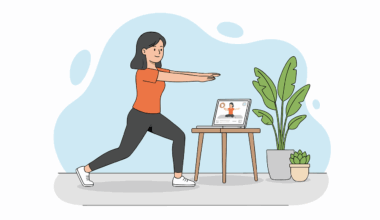

Breathing Exercises to Improve VO2 Max in Bootcamp Trainees
Improving VO2 max is essential for bootcamp trainees aiming to optimize their physical performance during workouts. One primary method for enhancing oxygen intake lies in mastering effective breathing techniques. Poor breathing can limit endurance, thus understanding how to breathe correctly is crucial. First, incorporate diaphragmatic breathing into your training regimen. This technique engages your diaphragm, allowing you to take deeper breaths, thereby increasing oxygen distribution throughout the body. Aim for a rhythmic pattern, inhaling through the nose and exhaling through the mouth. Secondly, practice controlled breathing, which involves setting a consistent tempo during physical exertion. By synchronizing your breath with movements, you can enhance your stamina and reduce fatigue. Explore interval breathing, where you take quick breaths followed by deep inhalations to improve lung capacity. Lastly, train in different environments, such as high altitudes, to challenge your body’s adaptation to lower oxygen. Incorporating these breathing exercises into your routine enables not only better VO2 max but also enhances overall athletic performance. Consistent practice results in long-term benefits that will contribute significantly to the effectiveness of your bootcamp training regimen.
In bootcamp training, proper breathing techniques greatly impact physical endurance and performance. Regular practices focusing on the breath can enhance overall capacity and aerobic performance. Begin with nasal breathing while engaging in low to medium intensity workouts. This method promotes more effective oxygen exchange and carbon dioxide removal. Furthermore, incorporate breath counting during exercise. For instance, count your breaths during intervals or sets to maintain a calm and focused mindset, reducing anxiety and stress levels during physical activities. The 4-7-8 breathing technique is another method worth practicing. This involves inhaling for 4 seconds, holding for 7, and exhaling for 8 seconds. It helps slow the heart rate and improve lung capacity over time. Always remember to integrate breathing drills into your warm-up and cooldown sessions. Doing so prepares your lungs for intense effort while aiding recovery post-workout. Additionally, variations in practice like box breathing can enhance concentration and encourage relaxation at crucial training moments. By understanding and utilizing these techniques, bootcamp trainees can significantly improve their VO2 max levels and overall training outcomes.
To further enhance VO2 max through breathing techniques, pair exercises with relaxation strategies. Yoga and meditation foster a deeper understanding of breath control and efficiency. Yoga facilitates full body stretching and allows trainees to become aware of their body’s needs during intense workouts. Incorporating specific poses focusing on lung expansion can provide increased oxygen supply. Practicing pranayama, or breath regulation, is essential for strengthening lung capacity as well. Techniques like alternate nostril breathing create balance in the nervous system, promoting relaxation amidst high-pressure training environments. Furthermore, engaging in practices like Tai Chi can offer similar benefits. This martial art provides flowing movements, encouraging synchronized breathing, essential for performance improvements. Ensure to integrate these approaches into warmups, cooldowns, or recovery days for maximum benefits. Refocusing attention on breathing rather than muscle fatigue can elevate one’s training experience. Bootcamp trainees who prioritize breathing techniques discover a better sense of achievement in their physical performance. Outcomes are noticeable not only in stamina but also in mental fortitude, thereby improving overall workout quality.
Integrating Breathing Techniques into Bootcamp Regimens
As bootcamp trainees look to apply these breathing techniques, structuring workouts effectively is essential. Start by allocating specific training sessions solely for breathing regulation practice. Incorporate dynamic warm-up exercises to engage muscles while focusing on breath patterns. Use high-intensity interval training (HIIT) to merge breathing with aerobic and anaerobic challenges. This preparation allows for a real-time application of breathing techniques during demanding workouts. For instance, trainees could practice nasal breathing during low-intensity intervals, then switch to controlled breathing when engaging in rigorous activities. Additionally, establish cooldown phases where relaxation techniques can be practiced, such as deep belly breathing. This helps expedite recovery while encouraging the body to adapt to higher exertion levels. Structured feedback sessions can also bolster understanding of personal performance improvements. Trainees can journal their feelings and techniques after each session, refining their approach progressively. Over time, regular exposure and conscious practice lead to significant enhancements in endurance and maximum oxygen uptake. Consistency and variation in structure help bootcamp trainees optimize their breathing techniques, fulfilling the holistic aspects of their training.
Beyond physical exercises, mental conditioning through breathing methods proves crucial. Awareness of breath allows trainees to maintain focus and clarity even during exhausting workouts. Mindfulness in breathing helps moderate stress, anxiety, and mental barriers during high energy outputs. Introduce visualization techniques accompanying breath focus to enhance mental resilience. For example, trainees can visualize themselves completing exercises while inhaling positivity and exhaling negativity. Engaging in visualization promotes mental clarity and situational control during challenging scenarios. Additionally, adding affirmations can reinforce one’s belief during bootcamp challenges. Positive thoughts during inhales can uplift morale, while releasing negativity with exhales builds emotional toughness. Include short meditation sessions or breathing intervals between intense workout sets to enhance mental recovery. Awareness, combined with focused breathing, creates a powerful synergy for overall performance optimization. Bootcamp trainees who embrace these techniques report significant improvements in mental strength accompanying their improved physical capabilities. Ultimately, athletes can surpass their perceived limits through deepened breath awareness alongside structured physical training.
Long-Term Benefits of Breathing Exercises
Committing to consistent practice of breathing techniques reveals long-term benefits. Enhanced VO2 max leads to improved performance metrics over time, contributing to overall physical health and vitality. Regularly practicing these techniques can lower resting heart rates, elevate energy levels, and lead to better recovery times post-exercise. Improved lung capacity positively affects the heart’s efficiency, reducing the risk of cardiovascular disease. As trainees become more skilled at controlling their breath, they experience enhanced stamina, aiding performance across various athletic disciplines. Importantly, mental clarity and focus developed through these practices contribute to emotional resilience, promoting overall well-being. Trainees who have experienced success with breathing techniques often report increased motivation and endurance, translating to healthier lifestyle choices outside of bootcamp settings. Committing to breathing exercises also cultivates a habit of self-care and mindfulness, essential for sustaining long-term athletic improvement. Hence, the integration of breathing techniques within bootcamp training offers multifaceted health benefits that extend beyond immediate athletic capabilities. Overall, the holistic improvements lead to a more enriched and fulfilling training experience.
In summary, incorporating structured breathing exercises is an essential component to enhance VO2 max and overall performance in bootcamp training. These techniques empower trainees to optimize their breathing patterns, leading to better endurance and mental resilience. As the training journey unfolds, developing the habit of focusing on breathing can pay dividends in both physical and mental domains. Utilizing methods like diaphragmatic breathing, controlled intervals, and mindfulness practices integrate seamlessly into various training modalities. Furthermore, regular practice leads to the mastery of breath control, which will undoubtedly yield remarkable benefits during intense physical activities. The cumulative impact promotes a positive feedback loop of improved performance and motivation. Bootcamp trainees can find solace and strength through breathing techniques, enriching their physical performance. As they advance, embracing these strategies creates a supportive environment where thorough understanding meets enhanced physicality. Ultimately, the commitment to mastering breath control becomes invaluable for achieving present fitness goals, while also fostering a path toward enjoying long-term health and vitality. With dedication and practice, every bootcamp trainee can experience the transformational benefits that arise from improved VO2 max and breathing techniques.