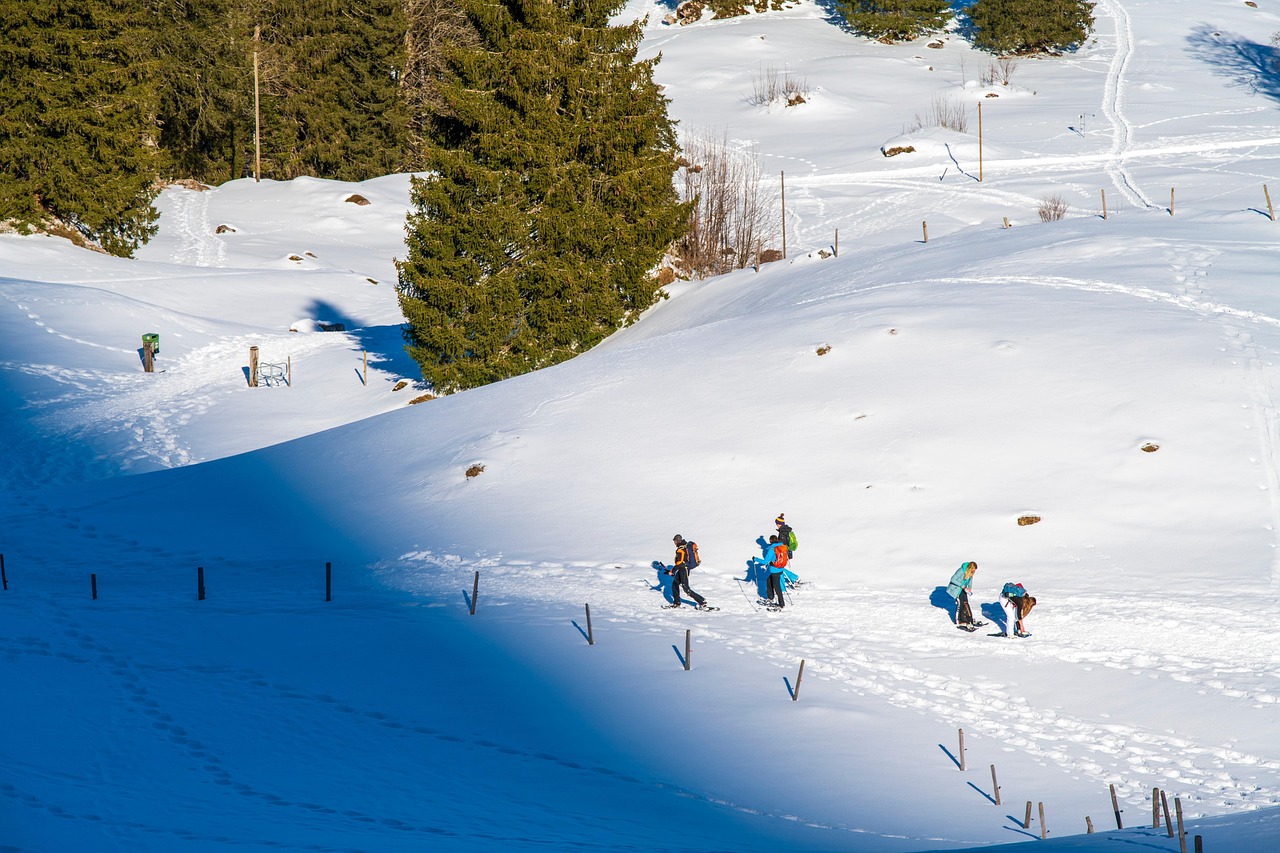

Snowshoeing is becoming increasingly popular as a low-impact workout, especially during the winter months. It allows individuals to enjoy nature while maintaining their fitness routine without high stress on the joints. This outdoor activity is particularly suited for those looking to enhance cardiovascular endurance, develop core strength, and improve balance. One appeal of snowshoeing is its accessibility, as many national and state parks offer trails specifically marked for this sport. To start snowshoeing, all one needs is a good pair of snowshoes and warm, layered clothing. When planning a snowshoeing adventure, it’s essential to research local trails to find your perfect match. Consider factors like trail length, elevation, and weather conditions before heading out. Additionally, find a companion to join you, making the experience more enjoyable. Snowshoeing can add excitement to winter workouts, and it can be suitable for various skill levels, from beginners to experienced athletes. It’s a perfect way to stay active during the colder months and reap numerous physical and mental benefits while enjoying picturesque winter landscapes and fresh air.
One of the key benefits of snowshoeing is its ability to promote weight loss and enhance overall fitness. By pushing against the resistance of snow, participants engage more muscle groups than traditional walking or running. Each step requires additional work, creating a higher calorie burn. To maximize this benefit, try incorporating intervals into your snowshoeing routine. Set short bursts of speed followed by slower walking periods to raise your heart rate further. Snowshoeing is particularly beneficial for individuals with joint issues or those seeking lower-impact options; the snow provides a soft landing, reducing the risk of injury. This winter workout activates the core, lower body, and even the upper body when poles are used. Adding poles engages the arms, turning the session into a full-body experience. Alongside the physical benefits, snowshoeing also has mental health advantages; being outdoors and immersed in nature can lower stress levels and improve mood. The serene atmosphere of snow-covered landscapes can rejuvenate the mind. Consider adding snowshoeing to your fitness regimen or trying it for the first time this winter to enjoy both the challenges and rewards that this unique activity offers.
Snowshoeing Gear Essentials
Before attempting snowshoeing, it’s vital to prepare with the right gear for a comfortable experience. Proper footwear plays a significant role, as waterproof and insulated boots will keep feet warm and dry in snowy conditions. Snowshoes themselves come in various styles and sizes, typically categorized by weight range and intended terrain. Finding the proper size is crucial for optimal performance and support. Many outdoor retailers provide rental options, allowing you to try different models before making a purchase. Additionally, wearing trail-specific clothing designed for moisture-wicking and insulation is essential. Layering is encouraged to adapt to changing temperatures while staying warm. Gloves and hats should not be overlooked, as extremities are often prone to cold. Bringing trekking poles can help with stability and balance during uneven terrain. Don’t forget hydration—compact, insulated water bottles are a must to stay hydrated while snowshoeing. It’s also wise to pack nutritious snacks for added energy while on the trails. Preparing for an outing ensures a positive snowshoeing experience, allowing you to focus on enjoying the workout and surrounding scenery.
Safety should always be at the forefront of snowshoeing adventures. Familiarize yourself with basic winter safety practices before heading out. Always check trail conditions and local weather forecasts to avoid severe environments that could pose hazards. It’s vital to dress appropriately and be mindful of the signs of frostbite or hypothermia. In colder months, body heat can be lost quickly, so having extra layers and emergency blankets can be beneficial. Carrying a small backpack with essentials such as a first aid kit, a map, and a compass can further ensure safety. Sharing your itinerary with a friend or family member is a prudent decision for accountability. Snowshoeing often leads to remote areas, where getting lost can happen easily. Ensuring you have a charged phone, GPS device, or other navigational tools can offer reassurance. Always snowshoe with at least one companion for added safety and to enhance the enjoyment of the outing. There are numerous clubs and groups dedicated to snowshoe enthusiasts, providing opportunities for organized trips. They offer a chance to learn while meeting others in the community who share similar interests!
Post-Snowshoeing Care
After your snowshoeing session, it’s important to cool down and care for your body post-workout. Stretching helps maintain flexibility and aids in muscle recovery. Focusing on the legs, hips, and back—key areas engaged during snowshoeing—can relieve tension and prevent soreness. Consider rolling out tight muscles with a foam roller if available. Hydrating after your activity is crucial for recovery, as fluids are lost through perspiration, even in cold temperatures. Replenishing electrolytes with a healthy post-workout snack can maximize benefits and restore energy levels. Consuming protein and carbs will help repair the muscles used during your adventure. Hot drinks like herbal tea or warm broth can also provide comfort and warmth, especially after being out in the cold. Alternatively, enjoying a hot bath can soothe aching muscles and promote relaxation, aiding recovery in the long run. Overall, taking these steps post-workout will facilitate better fitness outcomes and prepare you for your next snowshoeing adventure. Remember, being mindful of your body’s needs will enhance your snowshoeing experience greatly!
Incorporating snowshoeing into your winter fitness routine is not only beneficial for physical well-being, but it also promotes mental wellness. As a social activity, snowshoeing provides an excellent opportunity to connect with friends, family, or new acquaintances. Group outings can lead to stronger social ties while enjoying the beauty of winter scenery. Photography enthusiasts will appreciate capturing stunning landscapes during outings while providing an extra motivation to engage in this activity. Snowshoeing brings a unique experience that differs significantly from gym workouts; the peace and tranquility of nature can foster mindfulness and help reduce anxiety levels. With varying trails and terrains, it can remain fresh and exciting each session. Engaging with the outdoors during winter reinforces accountability to maintain fitness plans. Whether you are hiking through forests, gliding across frozen lakes, or exploring snow-covered fields, each setting provides its own unique charm and challenges. Snowshoeing adds variety, truly combining fitness with pleasure. Make the most of the winter season by exploring the possibilities snowshoeing offers to enhance both your physical health and mental clarity!
Final Thoughts on Snowshoeing
In conclusion, snowshoeing emerges as a fantastic winter workout option suitable for various fitness levels. Offering multiple health benefits, including cardiovascular endurance improvement and weight loss, it engages various muscle groups in a low-impact manner. Additionally, it fosters mental well-being by immersing participants in serene outdoor settings, promoting relaxation and mindfulness. Snowshoeing is easy to access due to available rental options and marked trails at many parks. With proper gear and safety considerations, you can embark on fulfilling outdoor adventures all winter long. This sport encourages socializing with friends, family, or joining community groups, enhancing the overall experience. It’s a fun way to explore local landscapes during the colder months while staying active and healthy. So, gather your gear and take the steps to find a trail to enjoy this invigorating winter activity. Share your snowshoeing experiences and invite others to join you on this exciting fitness journey. Whether you’re new to the sport or have been doing it for years, snowshoeing can be a perfect inclusion in this winter’s workout plans, making health enjoyable and accessible for everyone!
Experience the joys of snowshoeing for fitness and embrace winter’s beauty. It’s time to explore, exercise, and indulge in nature while pursuing a healthy lifestyle!